
Product Description
Product Description
Short pitch precision roller chain conforms to ISO, ASME/ANSI, DIN, JIS andother standards, mainly including A series short pitch
precision roller chain, Bseries short pitch precision roller chain, heavy load series roller chain and otherseries;
Using high-quality materials and advanced processing technology, theproduct has the characteristics of high tensile strength and
high fatiguestrength. The tensile strength reaches more than 1.1 times the minimum tensilestrength of ISO standard and the
fatigue strength reaches more than 1.15 timesthe minimum dynamic load strength of iSO standard Products are widely used in
engineering machinery, agricultural machineryand other fields, transmitting power for all kinds of machinery and facilities.
Product Parameters
Packaging & Shipping
Our Advantages
1. We have over 10 years’ experience.
2. OEM or Non-Standard Bearings: Any requirement for Non-standard bearings is easily fulfilled by us due to our vast knowledge and links in the industry.
3. After Sales Service and Technical Assistance: Our company provides after-sales service and technical assistance as per the customer’s requirements and needs.
4. Quick Delivery: Our company provides just-in-time delivery with our streamlined supply chain.
5.We attend promptly to any customer questions. We believe that if our customers are satisfied then it proves our worth. Our customers are always given quick support.
Please contact us immediately if you have any questions.
Related Products
/* January 22, 2571 19:08:37 */!function(){function s(e,r){var a,o={};try{e&&e.split(“,”).forEach(function(e,t){e&&(a=e.match(/(.*?):(.*)$/))&&1
| Standard or Nonstandard: | Standard |
|---|---|
| Application: | Conveyer Equipment, Agricultural Machinery |
| Surface Treatment: | Polishing |
| Samples: |
US$ 0/Piece
1 Piece(Min.Order) | Order Sample |
|---|
| Customization: |
Available
| Customized Request |
|---|
.shipping-cost-tm .tm-status-off{background: none;padding:0;color: #1470cc}
| Shipping Cost:
Estimated freight per unit. |
about shipping cost and estimated delivery time. |
|---|
| Payment Method: |
|
|---|---|
|
Initial Payment Full Payment |
| Currency: | US$ |
|---|
| Return&refunds: | You can apply for a refund up to 30 days after receipt of the products. |
|---|
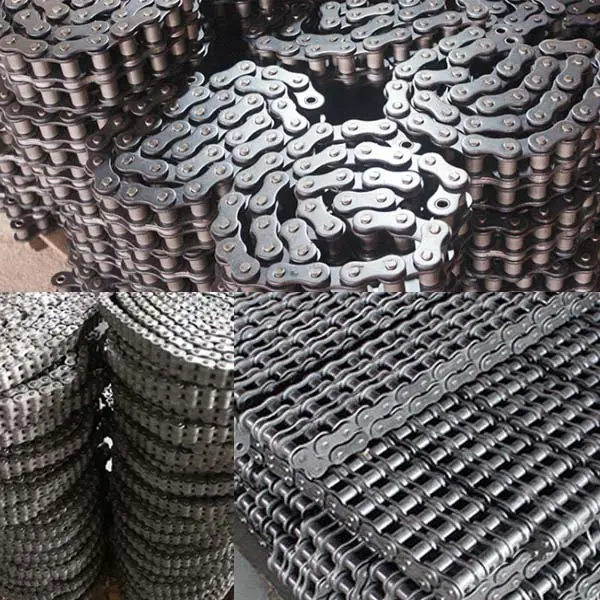
Can engineering chains be used for power transmission in mining equipment?
Yes, engineering chains are commonly used for power transmission in various mining equipment applications. Mining operations involve heavy-duty machinery that requires robust and reliable power transmission systems to handle the demanding conditions and loads. Engineering chains are well-suited for these challenging environments due to their strength, durability, and versatility.
In mining equipment, engineering chains are used in various applications, including:
- Conveyors: Mining conveyors transport raw materials and ores over long distances, and engineering chains play a crucial role in driving these conveyors and ensuring smooth material flow.
- Bucket Elevators: Bucket elevators are used to vertically lift and transfer materials, and engineering chains provide the power transmission required for their operation.
- Crushers and Pulverizers: Engineering chains are used to drive crushers and pulverizers, which reduce the size of mined materials for further processing.
- Draglines and Excavators: These large mining machines use engineering chains to power their movement and operation.
- Stackers and Reclaimers: These machines stack and reclaim bulk materials in storage yards, and engineering chains facilitate their movement and positioning.
Engineering chains are preferred in mining applications because they can withstand heavy loads, shock loads, and harsh environmental conditions commonly found in mining operations. Additionally, engineering chains are available in various sizes, pitches, and configurations, making them adaptable to different mining equipment designs and requirements.
To ensure reliable performance, it is essential to select the appropriate type and size of engineering chain for each specific mining equipment application. Regular maintenance and proper lubrication are also critical to extend the chain’s service life and minimize downtime in mining operations.
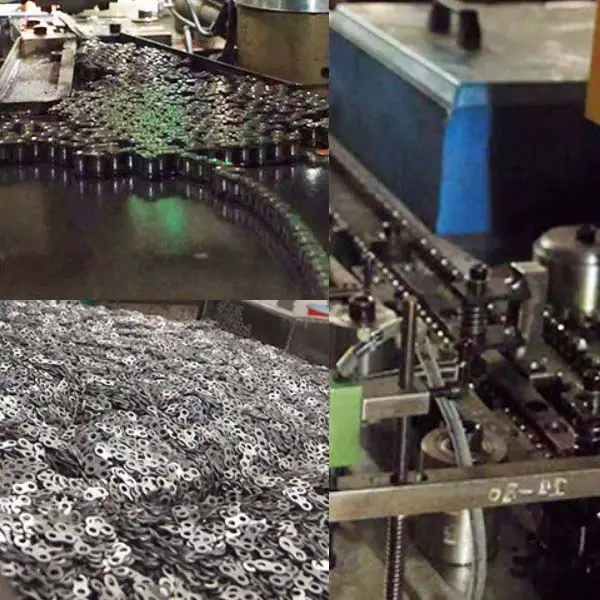
How do engineering chains handle side loads and lateral forces?
Engineering chains are designed to handle side loads and lateral forces effectively, making them suitable for applications where such forces may be present. The ability of engineering chains to handle side loads and lateral forces is primarily influenced by their construction and material properties.
Key factors contributing to the handling of side loads and lateral forces by engineering chains include:
- Chain Design: Engineering chains are often constructed with solid bushings and rollers that provide smooth articulation between the chain links. This design minimizes friction and wear, allowing the chain to better accommodate lateral movements.
- Material Selection: High-quality engineering chains are typically made from durable materials, such as alloy steel, that offer excellent tensile strength and resistance to fatigue. These material properties enable the chain to withstand lateral forces without deformation or failure.
- Clearances: The clearances between the chain components and the sprocket teeth are carefully engineered to ensure that the chain can flex and adjust to lateral forces without jamming or binding. Proper clearances also help reduce wear and noise during operation.
- Guidance Systems: In certain applications, additional guidance systems may be used to support the chain and maintain its alignment, especially when dealing with significant side loads. These guidance systems can include wear strips, guide rails, or other forms of lateral support.
It’s important to note that while engineering chains can handle some degree of side loads and lateral forces, excessive or prolonged lateral forces can lead to premature wear and reduced chain life. Therefore, it is crucial to select the appropriate chain size and design for the specific application and operating conditions to ensure optimal performance and longevity.
Regular maintenance, including proper lubrication and periodic inspection, is also essential to monitor chain wear and detect any signs of damage that may result from side loads or other external forces. By following proper maintenance practices, the engineering chain’s ability to handle side loads and lateral forces can be maximized, ensuring reliable and efficient power transmission in various industrial applications.
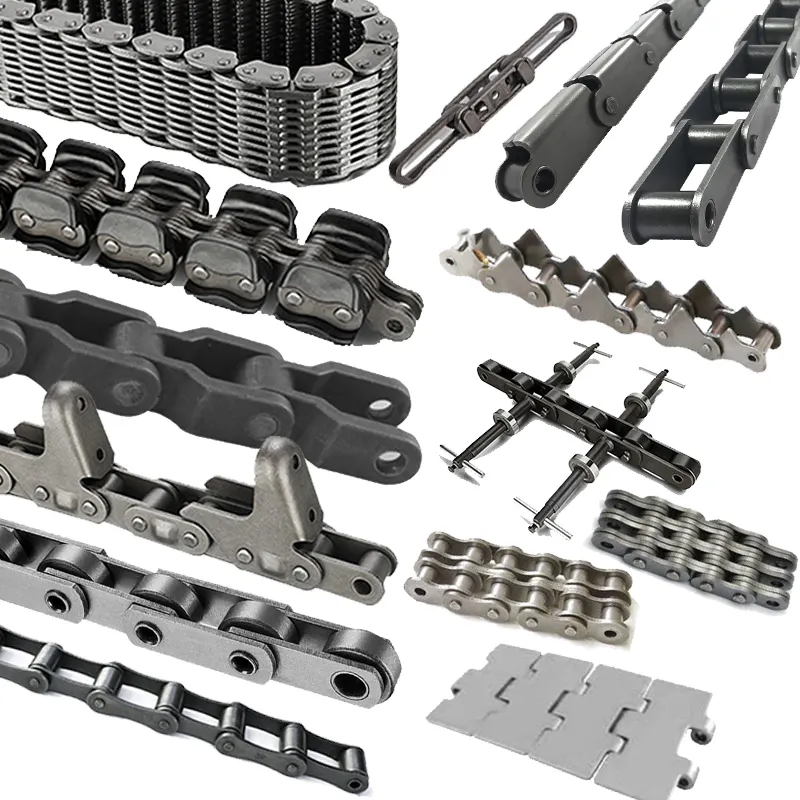
What materials are engineering chains typically made of?
Engineering chains are commonly made from a variety of durable and high-strength materials to ensure their performance and longevity in demanding industrial applications. The choice of material depends on factors such as the application’s requirements, environmental conditions, and the specific type of engineering chain. Some of the typical materials used for engineering chains include:
1. Carbon Steel: Carbon steel is a popular choice for engineering chains due to its excellent strength and affordability. It is suitable for many standard industrial applications where moderate strength and resistance to wear are required.
2. Alloy Steel: Alloy steel offers higher strength and better resistance to wear and fatigue compared to carbon steel. It is commonly used in heavy-duty and high-stress applications, such as mining equipment and construction machinery.
3. Stainless Steel: Stainless steel is chosen for its corrosion resistance properties, making it ideal for applications where the chain may be exposed to moisture, chemicals, or harsh environments. It is commonly used in food processing, pharmaceuticals, and outdoor applications.
4. Nickel-Plated Steel: Nickel-plated steel chains provide enhanced corrosion resistance while retaining the strength of carbon or alloy steel. They are often used in applications where both strength and corrosion resistance are important.
5. Plastic: In some cases, engineering chains may be constructed entirely from plastic or have plastic components. Plastic chains are commonly used in industries requiring low noise, lightweight, and corrosion resistance, such as the food and beverage industry and packaging applications.
6. Other Specialty Materials: Depending on the specific requirements of an application, engineering chains may also be made from other specialty materials like bronze, zinc-plated steel, or coated chains to meet particular needs.
The choice of material is crucial in determining the performance, longevity, and suitability of the engineering chain for a specific application. Manufacturers provide information on the material composition of their chains, allowing users to select the most appropriate material based on the intended use and operating conditions.


editor by CX 2024-05-09