
Product Description
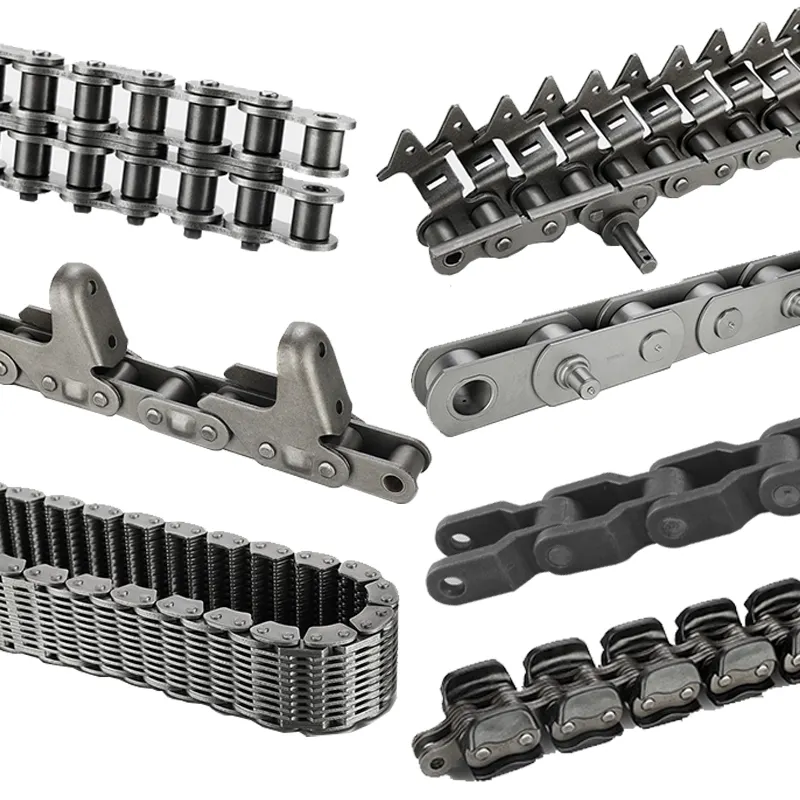
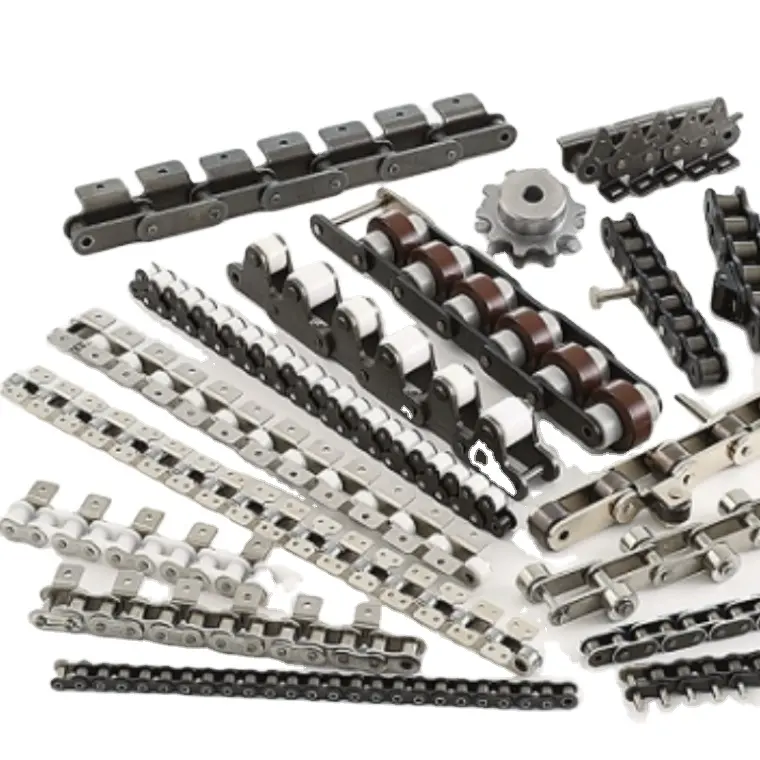
S Type Engineering High Precision Industrial Transmission Conveyor Roller Chain
Product Description
1. Material: Alloy steel & Stainless steel
2. Surface treatment: Shot peening / Zinc-plated / Nickel-plated / Dacromet-plated
3. Characteristic: Chain plate hole finally passed ball extrusion to ensure maximum fatigue resistance, parts of shot peening treatment makes the chain and the sleeve has a higher fatigue strength.
| Materials Available | 1. Stainless Steel: SS304, SS316, etc |
| 2. Alloy Steel: 45Mn, 42CrMo, etc | |
| 3. OEM according to your request | |
| Surface Treatment | Shot peening, Polishing, Oxygenation, Blackening, Zinc-plated, Nickel-plated, Anodized, etc. |
| Characteristic | Fire Resistant, Oil Resistant, Heat Resistant |
| Application | Agricultural machine |
| Design criterion | ISO DIN ANSI & Customer’s Drawing |
| Size | Customer’s Drawing & ISO standard |
| Package | Wooden Case / Container and pallet, or made-to-order |
| Certificate | ISO9001: 2008 |
| Advantage | First quality, best service, competitive price, fast delivery |
| Delivery Time | 20 days for samples. 45 days for official order. |
Detailed Photos
View more products,please click here…
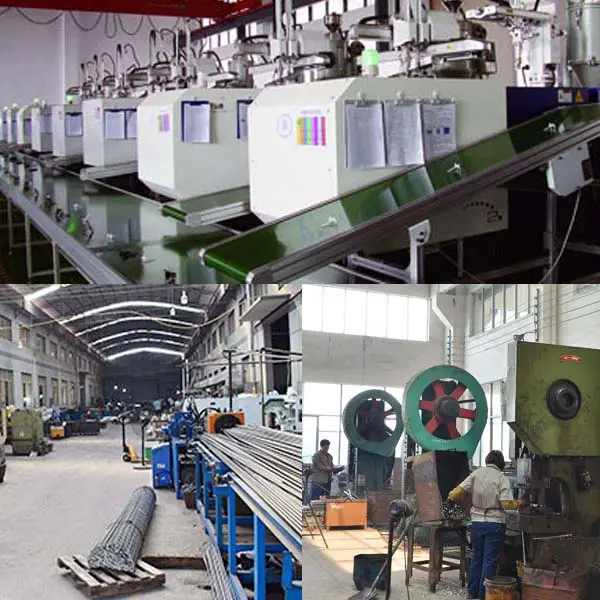
Company Profile
/* January 22, 2571 19:08:37 */!function(){function s(e,r){var a,o={};try{e&&e.split(“,”).forEach(function(e,t){e&&(a=e.match(/(.*?):(.*)$/))&&1
| Material: | Alloy/Carbon Steel |
|---|---|
| Sample: | for Free |
| Transport Package: | Plastic Bag+Carton Box+Plywood Case |
| Specification: | S55K1, S62A2K1 |
| Trademark: | made-to-order |
| Origin: | China |
| Samples: |
US$ 0/Meter
1 Meter(Min.Order) | |
|---|
| Customization: |
Available
| Customized Request |
|---|
Can engineering chains be used in high-temperature environments?
Yes, engineering chains can be used in high-temperature environments, but their performance depends on the type of material they are made of and the specific temperature conditions they are exposed to. Here are some considerations for using engineering chains in high-temperature environments:
- Material Selection: Chains made from heat-resistant materials, such as stainless steel or special alloy steels, are suitable for high-temperature applications. These materials offer increased resistance to heat, oxidation, and corrosion.
- Lubrication: Proper lubrication is critical when using engineering chains in high-temperature environments. High-temperature lubricants that can withstand the specific temperature range are essential to reduce friction and wear between the chain’s components.
- Heat Dissipation: In high-temperature environments, the heat generated by the chain’s operation needs to be dissipated effectively to prevent excessive temperature rise. Adequate ventilation or cooling mechanisms may be required to maintain the chain within a safe operating temperature range.
- Chain Design: Chains intended for high-temperature use may have specific design features that enhance their heat resistance and performance. These design modifications can include heat-resistant coatings, special alloys, or heat-treated components.
- Operating Conditions: The operating conditions, such as the temperature range and the duration of exposure to high temperatures, should be carefully evaluated to ensure the chain’s material and lubrication are suitable for the specific application.
- Inspections and Maintenance: Regular inspections and maintenance are crucial to monitor the chain’s condition and performance in high-temperature environments. Any signs of wear, elongation, or damage should be addressed promptly to prevent potential failures.
When properly selected, lubricated, and maintained, engineering chains made from heat-resistant materials can reliably operate in high-temperature environments. It’s essential to consult with chain manufacturers or experts to determine the most suitable chain type and material for a specific high-temperature application.
What are the benefits of using an engineering chain in material handling systems?
An engineering chain offers several advantages when used in material handling systems, making it a popular choice for various industrial applications:
1. High Strength and Durability: Engineering chains are designed to withstand heavy loads and offer high tensile strength, making them ideal for material handling tasks that involve transporting heavy or bulky items.
2. Reliable Power Transmission: Engineering chains provide a reliable means of power transmission, ensuring smooth and efficient movement of materials within the handling system.
3. Versatility: These chains are available in various configurations and sizes, allowing for customization to fit different material handling equipment and conveyor systems.
4. Flexibility: Engineering chains can be used in both straight-line and curved conveyor systems, offering flexibility in designing material flow paths.
5. Low Maintenance: When properly lubricated and maintained, engineering chains have a long service life with minimal maintenance requirements, reducing downtime and overall operating costs.
6. Corrosion Resistance: For material handling systems operating in harsh environments, corrosion-resistant engineering chains, such as stainless steel chains, can be used to prevent degradation and ensure longevity.
7. Wide Range of Applications: Engineering chains are suitable for a wide range of material handling applications, including manufacturing, warehousing, distribution centers, and more.
8. Precise Control: These chains offer precise control over the movement of materials, enabling accurate positioning and synchronization in automated material handling systems.
9. Reduced Noise and Vibration: Engineering chains are designed to operate quietly and with minimal vibration, contributing to a more comfortable and quieter working environment.
10. Safety: The reliability and strength of engineering chains enhance the safety of material handling operations, reducing the risk of chain failure and related accidents.
Overall, the use of engineering chains in material handling systems ensures efficient and dependable movement of goods and materials, contributing to increased productivity, reduced downtime, and improved safety in industrial environments.
How do you select the right size and pitch for an engineering chain?
Choosing the correct size and pitch for an engineering chain is essential to ensure optimal performance, longevity, and safety in industrial applications. Here are the steps to guide you in selecting the right engineering chain size and pitch:
1. Identify the Application Requirements: Understand the specific requirements of the application where the engineering chain will be used. Consider factors such as the load to be carried, the speed of operation, the environmental conditions, and any special considerations like corrosion resistance or high-temperature requirements.
2. Determine the Chain Type: Engineering chains come in various types, such as roller chains, conveyor chains, drive chains, and specialty chains. Choose the chain type that best matches the intended application and the type of motion required.
3. Calculate the Chain Pitch: The chain pitch refers to the distance between each roller pin or attachment point on the chain. To calculate the chain pitch, measure the center-to-center distance of any three consecutive pins and divide it by two. Ensure that the calculated pitch matches the chain’s specified pitch.
4. Calculate the Chain Length: Determine the required length of the engineering chain by considering the distance between the sprockets and any additional slack or tension needed for smooth operation. Ensure that the selected chain length is appropriate for the application and fits well without being overly tight or loose.
5. Check Load Capacity and Strength: Refer to the manufacturer’s data or engineering chain catalog to determine the load capacity and strength of the selected chain. Ensure that the chain’s load capacity exceeds the maximum loads expected in the application to prevent premature wear or failure.
6. Consider the Environmental Factors: Take into account any environmental factors that may affect the performance of the engineering chain, such as temperature, moisture, chemicals, or abrasive materials. Choose a chain material that can withstand the specific environmental conditions to ensure longevity.
7. Consult with Manufacturers or Suppliers: If you are uncertain about selecting the right engineering chain, do not hesitate to consult with chain manufacturers or suppliers. They can provide valuable insights and recommendations based on their expertise and knowledge of various applications.
By following these steps and carefully evaluating the application’s requirements, you can select the appropriate size and pitch for an engineering chain, ensuring reliable and efficient operation in your specific industrial setting.


editor by CX 2024-03-29