
Product Description
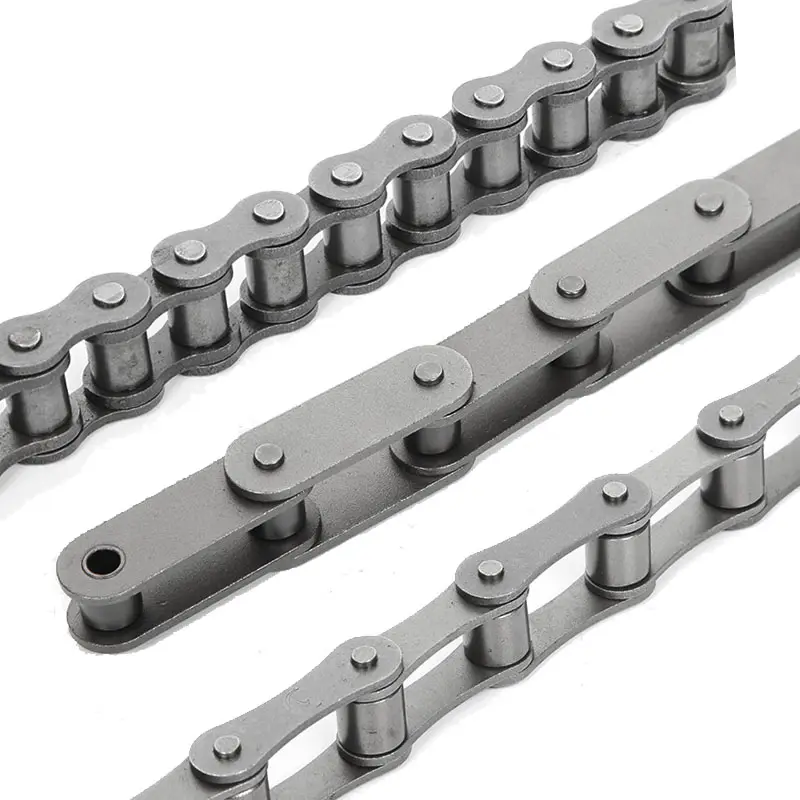
Heavy Duty Engineering Chains WG781 WG103 WG103H WG140 WB10389 WB9525 WB7900 WB7938 Offset-sindbar Roller Chains
Product Description
The heavy duty offset sidebar roller chain is designed for drive and traction purposes, and is commonly used on mining equipment, grain processing equipment, as well as equipment sets in steel mills. It is processed with high strength, impact resistance, and wearing resistance, so as to ensure safety in heavy duty applications.
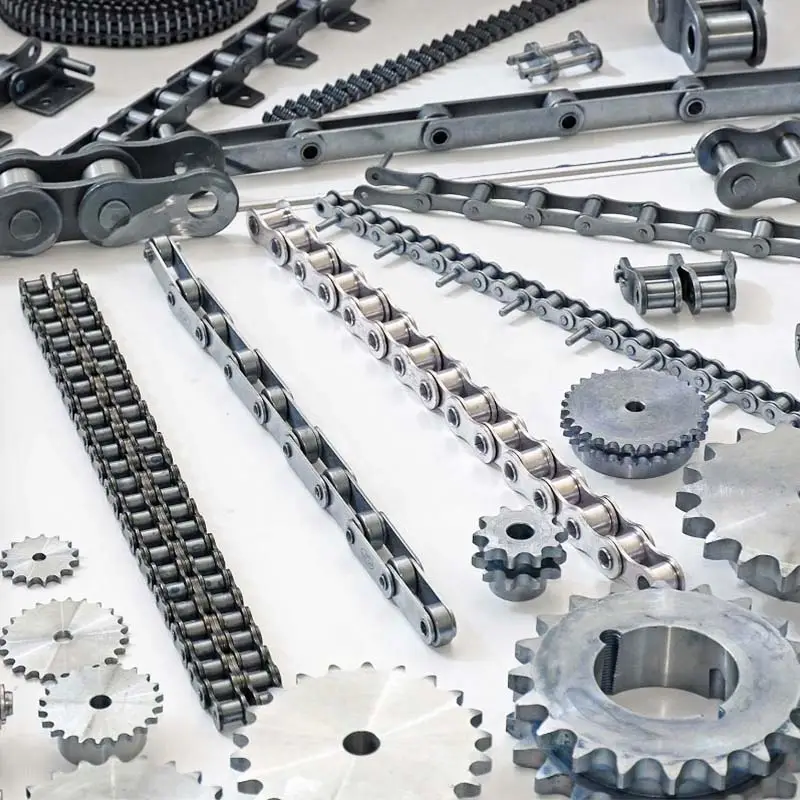
Offset sidebar chains have been a long-time primary for many grain handling, lumber, elevating, and conveying applications. This is due to the high-strength and durable design that allows the chain to have the versatility and capability to be used in almost any heavy-duty application. We stock this chain in special configurations like rooftop, with UHM caps, and universal top. We can also supply stock and custom fabricated attachments on the chain.
Product Parameters
Design and Processing Advantages
1. Made of medium carbon steel, the offset sidebar roller chain undergoes processing steps like heating, bending, as well as cold pressing after annealing.
2. The pin hole is created by impact extrusion, which increases the inner surface smoothness for the hole. Thus, the matching area between the sidebar and the pin is increased, and the pins offer higher protection against heavy loads.
3. The integral heat treatment for the chain plates and rollers ensures high tensile strength. The pins additionally undergo
high-frequency induction heating for the surface after integral heat treatment, ensuring high strength, high surface hardness, and wearing resistance as well. The surface carburizing treatment for the bushings or sleeves guarantees high tensile strength, superb surface hardness, and improved impact resistance. These make sure the heavy duty transmission chain has extended service life.
|
Chain No. ISO GB |
Pitch p |
Width Between Plates at Inner End W(nom) |
Roller Dia. R(max) |
Plate Depth H(max) |
Plate Thickness T(max) |
Pin Width L(max) |
Pin Dia. d2(max) |
Breaking Load(min) Q |
Weight Approx. q |
|
|
mm |
mm |
mm |
mm |
mm |
mm |
mm |
daN |
kg/m |
|
WG781 |
78.18 |
38.1 |
33 |
45 |
10 |
97 |
17 |
31360 |
16 |
|
WG103 |
103.20 |
49.2 |
46 |
60 |
13 |
125.5 |
23 |
53900 |
26 |
|
WG103H |
103.20 |
49.2 |
46 |
60 |
16 |
135 |
23 |
53900 |
31 |
|
WG140 |
140.00 |
80.0 |
65 |
90 |
20 |
187 |
35 |
117600 |
59.2 |
|
WB10389 |
103.89 |
49.2 |
46 |
70 |
16 |
142 |
26.7 |
157100 |
32 |
|
WB9525 |
95.25 |
39.0 |
45 |
65 |
16 |
124 |
23.0 |
63500 |
22.25 |
|
WB7900 |
79.00 |
39.0 |
31.5 |
54 |
9.5 |
93.5 |
18.5 |
38090 |
12.28 |
|
WB7938 |
79.38 |
41.2 |
40 |
57.2 |
9.5 |
100 |
19.5 |
50900 |
18.7 |
Contact us: We care about our valued buyers, if you have any questions, our Customer Service staffs will be very glad to help you. We try our best to reply to your emails as soon as possible, however, due to high volume of daily incoming emails and time zone difference, we may not be able to reply your emails immediately. Please allow 24 business hours for us to response.
Related products
Related products
| Usage: | Transmission Chain, Drag Chain, Conveyor Chain, Dedicated Special Chain |
|---|---|
| Material: | Steel |
| Surface Treatment: | Oil Blooming |
| Feature: | Oil Resistant |
| Chain Size: | 1/2"*3/32" |
| Structure: | Roller Chain |
| Samples: |
US$ 9999/Piece
1 Piece(Min.Order) | |
|---|
How do engineering chains compare to other types of chains in terms of efficiency?
Engineering chains are known for their high efficiency in power transmission compared to some other types of chains. Their efficiency can be attributed to several factors:
- Minimal Friction: Engineering chains are designed with precision rollers and bushings, which reduces friction between the chain’s components. This results in less energy loss during power transmission.
- High-Quality Materials: These chains are typically made from high-quality materials, such as alloy steel, which ensures durability and minimal elongation under heavy loads. This material choice helps maintain efficiency over extended periods of use.
- Precise Manufacturing: Engineering chains are manufactured with tight tolerances and precise engineering, ensuring consistent performance and smooth operation. This precision minimizes energy losses due to chain misalignment or uneven loading.
- Optimized Design: The design of engineering chains takes into account the specific requirements of power transmission, making them well-suited for their intended applications. This optimized design contributes to their overall efficiency.
- Proper Lubrication: Regular and proper lubrication of engineering chains is essential to maintain their efficiency. Adequate lubrication reduces friction and wear, optimizing power transfer efficiency.
Compared to some other types of chains, such as standard roller chains, engineering chains may offer higher efficiency due to their advanced design and manufacturing processes. However, the choice of chain type depends on the specific application requirements, load conditions, operating environment, and other factors.
In certain applications, other power transmission methods like belts or gears might be preferred over chains, based on factors such as noise level, space constraints, and maintenance considerations. Each power transmission method has its advantages and limitations, and selecting the most suitable option requires careful consideration of the application’s needs.
What are the environmental considerations when using engineering chains?
When using engineering chains in various applications, there are several environmental considerations to keep in mind to ensure optimal performance, longevity, and safety. These considerations include:
1. Temperature: Extreme temperatures, whether high or low, can affect the performance and lifespan of engineering chains. Proper lubrication and material selection are essential to ensure the chain can withstand the temperature conditions in the operating environment.
2. Corrosive Environments: In corrosive environments, such as those with exposure to chemicals, saltwater, or other corrosive substances, it’s crucial to choose engineering chains made from corrosion-resistant materials, such as stainless steel or coatings that provide protection against corrosion.
3. Dust and Contaminants: Dust, dirt, and other contaminants can accumulate on the chain, leading to increased wear and reduced efficiency. Regular cleaning and proper chain guarding can help minimize the impact of these environmental factors.
4. Moisture and Water Exposure: For applications exposed to moisture or water, selecting chains with appropriate sealing or corrosion-resistant coatings is important to prevent rust and maintain performance.
5. UV Exposure: Outdoor applications exposed to direct sunlight can be subject to UV degradation. Using engineering chains with UV-resistant materials or protective coatings can help mitigate the effects of UV exposure.
6. Noise and Vibration: Certain environments may have strict noise regulations. In such cases, using chain guides, dampers, or other noise-reducing features can help lower the noise and vibration levels produced by the chain.
7. Load Variation: Environmental conditions may lead to variations in the load on the chain. Understanding and accommodating load variations is crucial for ensuring the chain’s reliability and preventing premature failure.
8. Compliance with Regulations: Some industries have specific environmental regulations that must be adhered to. It’s essential to select engineering chains that comply with these regulations to maintain a safe and environmentally friendly operation.
9. Maintenance and Lubrication: Proper and regular maintenance, including lubrication, is critical to ensure the chain’s smooth operation and extend its service life in any environment.
Considering these environmental factors will help in selecting the right engineering chain for a particular application, ensuring optimal performance, and reducing the risk of chain failure due to environmental conditions.
What is an engineering chain and what are its uses in various industries?
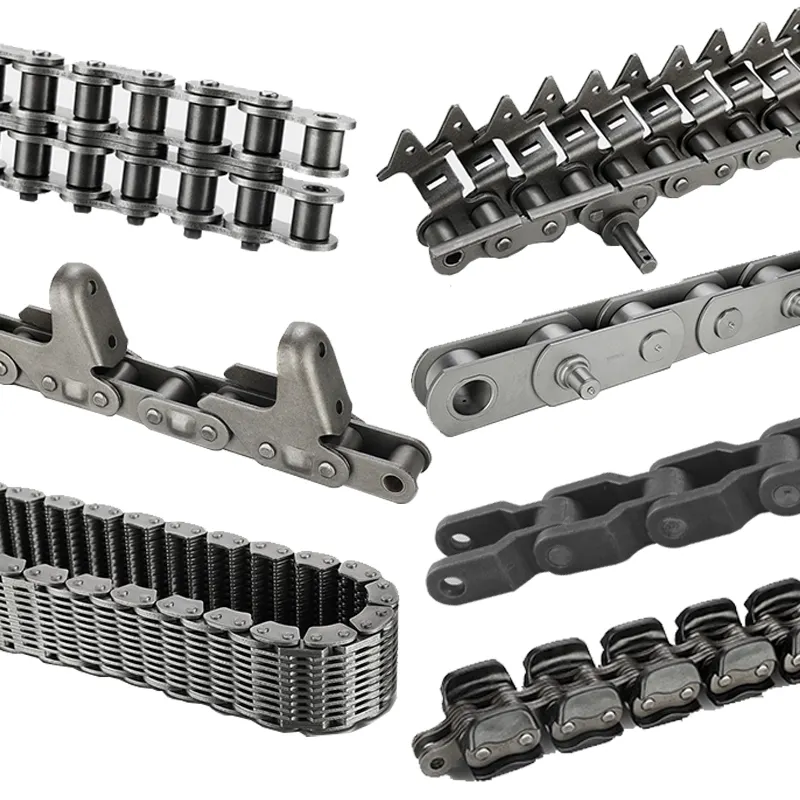
An engineering chain, also known as an industrial chain, is a type of power transmission chain widely used in various industries for transmitting mechanical power between two or more rotating shafts. It consists of a series of interconnected links that form a flexible and durable mechanism capable of handling heavy loads and harsh operating conditions. Here are its uses in different industries:
1. Manufacturing Industry:
In the manufacturing sector, engineering chains are employed in conveyor systems for material handling, assembly lines, and automated production processes. They facilitate the movement of raw materials, workpieces, and finished products efficiently, streamlining production and reducing manual labor.
2. Automotive Industry:
Automotive manufacturing relies heavily on engineering chains for conveying car parts during assembly. From the production of engines to body assembly, these chains ensure a smooth and continuous flow of components through the manufacturing process.
3. Agriculture and Farming:
In the agricultural sector, engineering chains are used in machinery such as tractors and combine harvesters. They facilitate power transmission from the engine to different agricultural implements, enabling various tasks like plowing, seeding, and harvesting.
4. Construction and Mining:
Construction equipment and mining machinery utilize engineering chains for heavy-duty power transmission. These chains are suitable for harsh environments and high-load applications, making them ideal for conveying construction materials and excavating operations.
5. Oil and Gas Industry:
In the oil and gas sector, engineering chains are utilized in drilling rigs and oil extraction equipment. They assist in the rotation of drill bits and the transfer of power within complex drilling systems.
6. Food and Beverage Industry:
Engineering chains find applications in food processing and beverage manufacturing, where they are used in conveyor systems for handling ingredients, packaging, and bottling processes. Specialized food-grade chains are designed to meet strict hygiene standards.
7. Material Handling:
Across various industries, engineering chains are widely employed in material handling systems, including overhead cranes, hoists, and elevators. They ensure smooth and efficient movement of heavy loads in warehouses, distribution centers, and manufacturing facilities.
8. Pulp and Paper Industry:
In the pulp and paper industry, engineering chains are used in paper processing machines, pulp digesters, and paper converting equipment. They contribute to the continuous flow of paper products during manufacturing.
9. Renewable Energy:
In the renewable energy sector, engineering chains are utilized in wind turbines and solar tracking systems. They assist in adjusting the position of solar panels and wind turbine blades to optimize energy capture.
10. Power Generation:
In power plants, engineering chains are used in various equipment, including conveyor systems for transporting fuel and ash, as well as in boiler feed systems and other power generation processes.
11. Water and Wastewater Treatment:
Engineering chains are employed in water treatment plants for sludge dewatering and in wastewater treatment plants for handling sludge and screenings.
12. Textile Industry:
In textile machinery, engineering chains assist in the production process, including spinning, weaving, and fabric handling.
13. Printing Industry:
In printing presses, engineering chains facilitate the smooth movement of paper during the printing process.
14. Packaging Industry:
Engineering chains are utilized in packaging machinery for handling boxes, cartons, and other packaging materials.
Overall, engineering chains are versatile components that play a crucial role in various industries for power transmission and material handling applications. They provide reliability, durability, and efficiency, making them an essential part of modern industrial processes.


editor by CX 2023-09-04