
Product Description
Product Description
Product Parameters
| Standard | GB, ISO, ANSI, DIN |
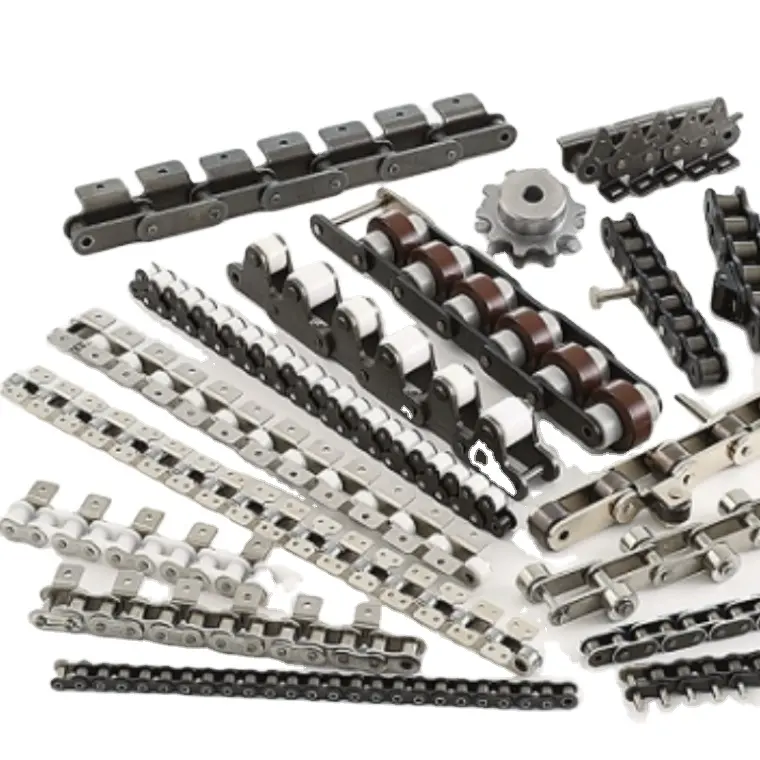
| Type | Standard A and standard B precision roller chain, conveyor chain; |
| special chain with accessories, welding chain, leaf chain and sprocket | |
| ANSI chain No. | 40,50,60,80,100,120,140,160,180,200,240; |
| C40,C50,C60,C80,C100,C120,C140,C160; | |
| DIN/ISO chain No. | 08A,10A,12A,16A,20A,24A,28A,32A,36A,40A,48A; |
| C08A,C10A,C12A,C16A,C20A,C24A,C28A,C32A; | |
| Application | Food processing, pharmaceutical and chemical industries, electronics, machinery; |
| household appliances, automotive manufacturing, metallurgy, sewage treatment | |
| Series | A series,B series |
More Products
Advantage
Certifications
DETAILS ABOUT CZPT CHAIN
Exhibition
Workshop
Application
Packaging Details
Shipping
FAQ
1. Are you a manufacturer or trade Company?
We are a factory founded in 1997 with a trade team for international service.
2. What terms of payment do you usually use?
T/T 30% deposit and 70% against document, Western Union, L/C at sight
3. What is your lead time for your goods?
Normally 35 days after confirmed order. 30 days could be available in the low season for some items (during May to July), and 45 days during the new year and hot season ( Jan to March).
4. Samples
For customers who need sample confirmation before ordering, please bear in mind that the following policy will be adopted:
1) All samples are free of charge with a maximum value not exceeding USD 100.
2) The courier cost for the first-time sample sending will be charged by the consignee. We will send the samples with freight to be collected. So please inform your account with FedEx, UPS, DHL, or TNT so that we can proceed promptly.
3) The first-time courier cost will be totally deducted from the contract value of the trial cooperation.
4) OEM/ODM are both available.
| Standard or Nonstandard: | Nonstandard |
|---|---|
| Application: | Textile Machinery, Garment Machinery, Conveyer Equipment, Packaging Machinery, Electric Cars, Motorcycle, Food Machinery, Marine, Mining Equipment, Agricultural Machinery, Car |
| Surface Treatment: | Polishing |
| Structure: | Roller Chain |
| Material: | Stainless Steel |
| Type: | Double Pitch Chain |
| Samples: |
US$ 0/Meter
1 Meter(Min.Order) | |
|---|
| Customization: |
Available
| Customized Request |
|---|
Can engineering chains be used for power transmission in automotive applications?
Yes, engineering chains can be used for power transmission in automotive applications. They are commonly employed in various automotive systems that require reliable and efficient power transfer. Here are some automotive applications where engineering chains are used:
- Timing Chains: In internal combustion engines, timing chains are critical for synchronizing the camshaft and crankshaft’s rotation. They ensure that the engine’s valves open and close at the precise time, optimizing engine performance and fuel efficiency.
- Drive Chains: Engineering chains are used in automotive drive systems, especially in older vehicles or specific applications where a chain drive is preferred over a belt or gear drive. Drive chains can be found in various components, such as transfer cases, rear-wheel-drive systems, and motorcycle drives.
- Steering System: In some automotive steering systems, engineering chains are used to transmit the rotational force from the steering wheel to the steering rack or gearbox, enabling vehicle control.
- Transfer Cases: In four-wheel-drive and all-wheel-drive systems, engineering chains are utilized in transfer cases to distribute power between the front and rear axles, allowing for better traction and handling on various terrains.
- Suspension Systems: Some automotive suspension systems incorporate engineering chains to support components like torsion bars or assist in adjusting suspension height in certain vehicles.
- Exhaust System: In exhaust gas recirculation (EGR) systems, engineering chains may be employed to control the flow of exhaust gases, helping to reduce emissions.
It is important to note that while engineering chains are suitable for certain automotive applications, modern vehicles often utilize other methods of power transmission, such as timing belts and gears, due to their quieter operation and reduced maintenance needs. The choice of power transmission method in automotive applications depends on factors like design requirements, space limitations, cost considerations, and desired performance characteristics.
How do engineering chains handle side loads and lateral forces?
Engineering chains are designed to handle side loads and lateral forces effectively, making them suitable for applications where such forces may be present. The ability of engineering chains to handle side loads and lateral forces is primarily influenced by their construction and material properties.
Key factors contributing to the handling of side loads and lateral forces by engineering chains include:
- Chain Design: Engineering chains are often constructed with solid bushings and rollers that provide smooth articulation between the chain links. This design minimizes friction and wear, allowing the chain to better accommodate lateral movements.
- Material Selection: High-quality engineering chains are typically made from durable materials, such as alloy steel, that offer excellent tensile strength and resistance to fatigue. These material properties enable the chain to withstand lateral forces without deformation or failure.
- Clearances: The clearances between the chain components and the sprocket teeth are carefully engineered to ensure that the chain can flex and adjust to lateral forces without jamming or binding. Proper clearances also help reduce wear and noise during operation.
- Guidance Systems: In certain applications, additional guidance systems may be used to support the chain and maintain its alignment, especially when dealing with significant side loads. These guidance systems can include wear strips, guide rails, or other forms of lateral support.
It’s important to note that while engineering chains can handle some degree of side loads and lateral forces, excessive or prolonged lateral forces can lead to premature wear and reduced chain life. Therefore, it is crucial to select the appropriate chain size and design for the specific application and operating conditions to ensure optimal performance and longevity.
Regular maintenance, including proper lubrication and periodic inspection, is also essential to monitor chain wear and detect any signs of damage that may result from side loads or other external forces. By following proper maintenance practices, the engineering chain’s ability to handle side loads and lateral forces can be maximized, ensuring reliable and efficient power transmission in various industrial applications.
What are the maintenance requirements for engineering chains?
Maintaining engineering chains is essential to ensure their longevity, reliable performance, and safe operation in industrial applications. The following are key maintenance requirements for engineering chains:
1. Regular Inspection: Conduct routine visual inspections of the chain to check for signs of wear, corrosion, or damage. Look for elongation, bent or broken links, and worn sprocket engagement areas.
2. Lubrication: Proper and timely lubrication is crucial for reducing friction and wear between chain components. Lubricate the chain using a suitable lubricant as recommended by the manufacturer.
3. Tension Adjustment: Check and adjust the chain’s tension regularly to maintain the correct amount of slack. Proper tension ensures efficient power transmission and minimizes stress on the chain and sprockets.
4. Cleaning: Keep the chain clean and free from debris, dirt, and contaminants that may accelerate wear and corrosion. Use appropriate cleaning methods and solutions that do not damage the chain’s surface.
5. Replace Worn Components: Replace any worn or damaged components, such as chain links or sprockets, promptly to prevent further damage and potential chain failure.
6. Avoid Overloading: Do not subject the engineering chain to loads exceeding its capacity. Overloading can lead to premature wear and failure.
7. Environmental Considerations: Consider the environment in which the chain operates. In corrosive or harsh environments, choose chains with appropriate coatings or materials to resist corrosion.
8. Follow Manufacturer’s Recommendations: Adhere to the manufacturer’s maintenance guidelines and recommended service intervals specific to the engineering chain model and application.
9. Training and Safety: Ensure that personnel handling the chain are properly trained in maintenance procedures and safety protocols.
10. Record Keeping: Maintain detailed records of maintenance activities, inspections, and replacements to track the chain’s condition and performance over time.
By following these maintenance requirements, industrial operators can extend the life of engineering chains, prevent unplanned downtime, and ensure safe and efficient operation in their respective applications.


editor by CX 2023-08-10