
Product Description
Engineering Class Chain lubricanttubular industrial transmission conveyorroller c2082h drag Conveyor engineering chain
We, EPG CHAINS, specialize in designing and manufacturing industrial chains, with over 30 years history in this industry. Our factory occupies 60,000 square meters, with investments in machineries our fixed assets CHINAMFG to 80 million RMB. We have a very energetic management team, experienced and skilled workers. The total employees rise to 180 in 2018.
With our specialty in producing chains for conveyor, transmission and dragging, our products have been exported to USA, Canada, Europe, Japan, South America, Southeast Asia, Africa, the Middle East and other countries and we have established sound connections with some key players in the related industries. In 2018, the total turnover reaches 14 million USD.
Our products have passed ISO:9001 quality management system and stand the end users’ ordeal. We devote ourselves to manufacture the high-quality products with competitive prices, we know the industries well, therefore from design to material selection, till manufacturing technique is up to the high standard, meanwhile our plHangZhou team and international team will ensure the punctual delivery.
We have strict quality control, each order has individual record and will be kept in file.
We welcome the OEM inquires and just remember we are expert in providing the solution for the chains in the industries of Sugar, Palm oil, Wood, Cement, Car, Paper, Asphalt , Food, ,Water treatment, Mining, Automation…
Also, welcome to visit our factory and you will find satisfaction…
EPG Chains hereby certify that if you found any defect in our material or technique of any kind of product,which will be free of charge;if you found any product was inconsistent with the approval drawing or sample after the delivery,we can accept the return or rework of goods and afford any charge about this.
Product name | Engineering Class Conveyor Chain |
OEM | Available |
Samples | Available |
Trial Order | Available |
Packing | Can be customized |
Color | Nature |
Certificate | ISO9001:2015 |
Function | Transmission |
Payment | T/T,L/C,D/A,D/P, Western Union |
Treatment | Through hardened and Case hardened and Induction hardened |
Material | sidebar 40Cr Pin 40Cr or 42CrMo or SS420 Bush 20Cr or 20CrMo or SS420 Roller 40Cr or 20Cr
|
Standard | DIN GB ISO JIS BA ANSI |
Brand | Ever-Power or OEM |
/* January 22, 2571 19:08:37 */!function(){function s(e,r){var a,o={};try{e&&e.split(“,”).forEach(function(e,t){e&&(a=e.match(/(.*?):(.*)$/))&&1
| Usage: | Transmission Chain, Drag Chain, Conveyor Chain, Dedicated Special Chain |
|---|---|
| Material: | Alloy |
| Surface Treatment: | Heat Treatment |
| Feature: | Heat Resistant |
| Color: | Nature |
| Transport Package: | Wooden Case |
| Samples: | US$ 9999/Piece 1 Piece(Min.Order) | |
|---|
| Customization: | Available | Customized Request |
|---|
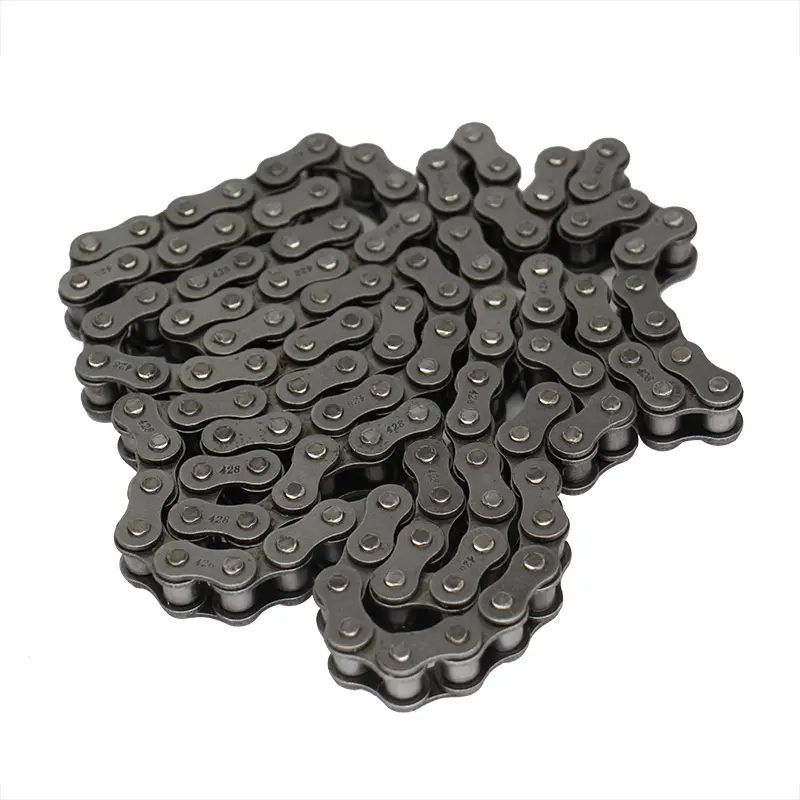
How do engineering chains handle variable speed requirements?
Engineering chains are designed to handle variable speed requirements in power transmission systems. They are capable of accommodating a wide range of speeds without compromising their performance or durability. Here’s how engineering chains handle variable speed conditions:
- Flexible Design: Engineering chains are constructed with a flexible design that allows them to adapt to changes in speed. The chain’s links and rollers can smoothly engage and disengage with the sprockets, ensuring efficient power transmission even at varying speeds.
- Smooth Operation: The precision manufacturing of engineering chains ensures smooth and consistent operation across different speed ranges. This smooth operation reduces vibration and noise, minimizing wear and tear on the chain and sprockets.
- Lubrication: Proper lubrication is essential for engineering chains to handle variable speed conditions. Lubrication reduces friction between the chain’s components, preventing premature wear and enhancing the chain’s ability to operate effectively at different speeds.
- Load Distribution: Engineering chains distribute the transmitted load evenly across their links, reducing stress concentration points. This load distribution capability enables the chain to handle varying torque and speed requirements without compromising its strength or performance.
- High-Quality Materials: The use of high-quality materials in engineering chains ensures their ability to withstand the rigors of variable speed applications. High-grade alloy steels or stainless steels are often used to enhance the chain’s strength, durability, and resistance to fatigue.
- Proper Tensioning: Maintaining the appropriate tension in the engineering chain is crucial for reliable performance at varying speeds. Proper tensioning prevents chain slack and excessive wear, ensuring the chain remains engaged with the sprockets at all times.
- Variable Pitch Chains: In some applications, engineers may opt for variable pitch chains. These chains have special designs that allow them to accommodate variable speed conditions more effectively.
By considering factors such as chain design, lubrication, load distribution, material quality, and tensioning, engineering chains can smoothly handle variable speed requirements in various industrial applications. Ensuring proper maintenance and selecting the appropriate chain type for the specific application will maximize the chain’s performance and service life.
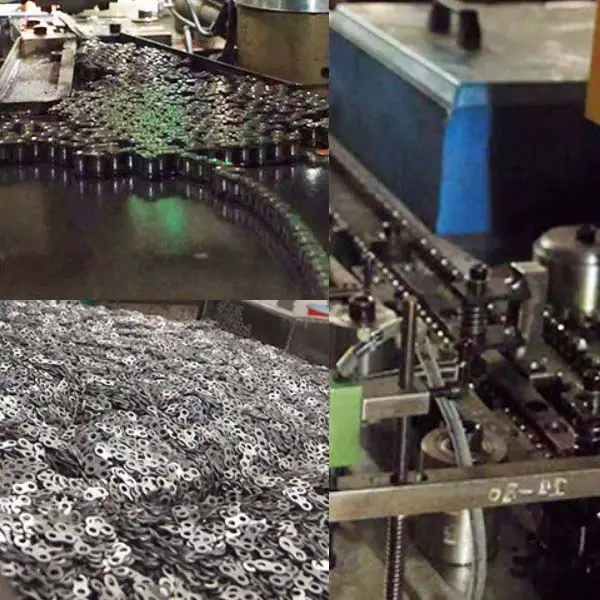
How do engineering chains handle side loads and lateral forces?
Engineering chains are designed to handle side loads and lateral forces effectively, making them suitable for applications where such forces may be present. The ability of engineering chains to handle side loads and lateral forces is primarily influenced by their construction and material properties.
Key factors contributing to the handling of side loads and lateral forces by engineering chains include:
- Chain Design: Engineering chains are often constructed with solid bushings and rollers that provide smooth articulation between the chain links. This design minimizes friction and wear, allowing the chain to better accommodate lateral movements.
- Material Selection: High-quality engineering chains are typically made from durable materials, such as alloy steel, that offer excellent tensile strength and resistance to fatigue. These material properties enable the chain to withstand lateral forces without deformation or failure.
- Clearances: The clearances between the chain components and the sprocket teeth are carefully engineered to ensure that the chain can flex and adjust to lateral forces without jamming or binding. Proper clearances also help reduce wear and noise during operation.
- Guidance Systems: In certain applications, additional guidance systems may be used to support the chain and maintain its alignment, especially when dealing with significant side loads. These guidance systems can include wear strips, guide rails, or other forms of lateral support.
It’s important to note that while engineering chains can handle some degree of side loads and lateral forces, excessive or prolonged lateral forces can lead to premature wear and reduced chain life. Therefore, it is crucial to select the appropriate chain size and design for the specific application and operating conditions to ensure optimal performance and longevity.
Regular maintenance, including proper lubrication and periodic inspection, is also essential to monitor chain wear and detect any signs of damage that may result from side loads or other external forces. By following proper maintenance practices, the engineering chain’s ability to handle side loads and lateral forces can be maximized, ensuring reliable and efficient power transmission in various industrial applications.
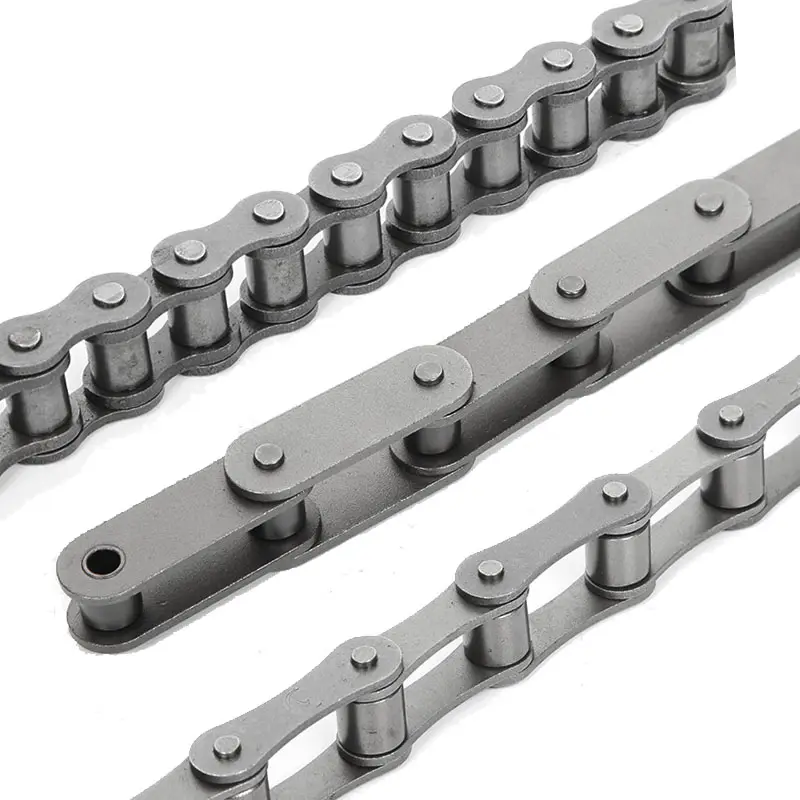
Can engineering chains be used in high-speed applications?
Yes, engineering chains can be used in high-speed applications, but their suitability depends on various factors. While some engineering chains are designed to handle high-speed operation, others may not be suitable for such applications. Here are some considerations:
1. Chain Type: Different types of engineering chains have varying capabilities when it comes to high-speed operation. For example, roller chains are commonly used in industrial applications and can handle moderate to high speeds efficiently. On the other hand, conveyor chains or specialty chains may have limitations on speed due to their design and intended use.
2. Manufacturer Specifications: Check the manufacturer’s specifications and recommendations for the engineering chain you plan to use. Manufacturers often provide maximum allowable speeds for their chains based on factors such as chain size, material, and construction.
3. Lubrication and Maintenance: Proper lubrication and maintenance are critical for high-speed applications. Adequate lubrication reduces friction and wear, allowing the chain to operate smoothly at higher speeds. Regular maintenance ensures that the chain remains in good condition and minimizes the risk of unexpected failures.
4. Load and Tension: High-speed applications can place additional loads and tension on the engineering chain. It is essential to ensure that the chain can handle the increased loads and tension without stretching excessively or experiencing premature wear.
5. Environmental Conditions: Consider the environmental factors that may affect the chain’s performance at high speeds. Temperature, humidity, and the presence of contaminants can impact the chain’s wear and durability.
6. Safety Considerations: High-speed applications require careful consideration of safety measures. Ensure that all safety guidelines and regulations are followed to prevent accidents or injuries resulting from chain failure.
In summary, engineering chains can be used in high-speed applications, but it is essential to select the appropriate chain type and ensure proper maintenance and lubrication. Consulting with chain manufacturers or experts can help you determine the most suitable engineering chain for your specific high-speed application, ensuring safe and reliable operation.


editor by CX 2024-04-25