
Product Description
Olearn Drag Chain Cable Carrier
There’s so many various size we sale, pls contact supplier with your request, we will make correct quotation for you, thank you!
- The Drag chain has been widely used in CNC machine tools, electronic equipment, fire machinery, stone machinery, glass machinery, doors and windows machinery, injection molding machines, robots, overweight transportation equipment, automated warehouses
-
Specifications:
Type:Openable
Bending radius: R75
Internal Size: 25mm x 38mm (Inner H x Inner W)
External Size: 40mm x 55mm (Outer H x Outer W)
Length: 1 Meter/3.28 Ft
Color: Black
Weight: 833g
Below is our standard size, if no found the size you need, pls contact seller directly.
Our Company
OLEARN is trademark brand in China, owned by HangZhou CZPT Technology Co., Ltd.
We focus on generic 3D printer parts and CNC parts, stock all of them for fast delivery.
Welcome to inquiry for more detail about 3d printer spare parts and cnc parts.
Here is our office web, welcome to open and browse!
BE YOUR CHINA SOURCING AGENT
Hello everyone,If you want to purchase item from China, please give me your product list, let me give you a quote. Our company is focused on providing CNC/3D PRINTER parts and accessories. We have our own CNC processing plant, and cooperate with some other factories, this will help control costs and ensure quality.
If you want to work with person who can make your china sourching work more convenient and efficient,our company will be your best choose!
Payment
– We accept T/T,Western Union and Paypal.
Shipping
For the delivery issue, we cooperate with a professional forwarder company which would deal with all the issues for you during the delivery process with 7~10 working days super fast arrival time.
Also if you had official Express Account, we can also deliver the goods to you via Official Express directly.
FAQ
Q:What is the products ready time?
A:If we have enough units in stock, the products ready time would be within 3 working days.
Q:Do you provide samples ? is it free or extra ?
A: Yes, we could offer the sample for free charge but do not pay the cost of freight.
Q:What’s your price term.
A: Normally FOB CIF CFR EX-work,DDP,DDU etc.
| Usage: | Drag Chain |
|---|---|
| Material: | Nylon PA66 |
| Surface Treatment: | None |
| Feature: | None |
| Chain Size: | 1cm |
| Structure: | Open |
| Samples: |
US$ 9/Piece
1 Piece(Min.Order) | |
|---|
| Customization: |
Available
| Customized Request |
|---|
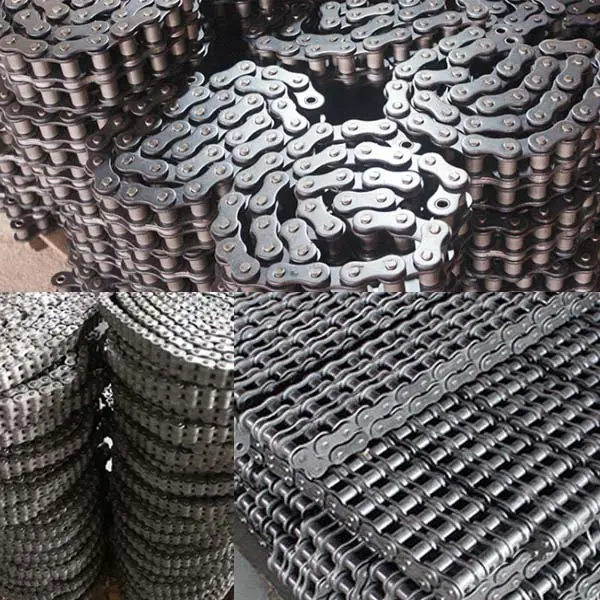
Can engineering chains be repaired or must they be completely replaced?
Unlike some other components, engineering chains are generally not designed to be repaired. Once an engineering chain shows signs of wear, damage, or elongation, it is recommended to replace the entire chain rather than attempting repairs. Here are the reasons why engineering chains are typically replaced instead of repaired:
1. Safety Concerns: Engineering chains are critical components in industrial applications, often responsible for transmitting high loads and operating at high speeds. If a chain fails due to a repair that was not performed correctly, it can lead to serious safety hazards and potential accidents.
2. Complex Design: Engineering chains have a complex design with various components, including pins, rollers, bushings, and plates. Repairing these components and restoring them to their original specifications is difficult and may not guarantee the same level of performance and reliability as a new chain.
3. Cost-Effectiveness: In many cases, repairing an engineering chain can be more costly and time-consuming than simply replacing it. Additionally, a repaired chain may have a shorter service life, leading to more frequent replacements in the future.
4. System Integrity: Engineering chains work as part of a larger system, engaging with sprockets and other components. If a repaired chain does not fit perfectly within the system, it can cause misalignment, premature wear, and reduced performance.
5. Manufacturer Recommendations: Chain manufacturers usually recommend replacing the entire chain when it shows signs of wear or elongation. Following these recommendations ensures that the system operates as intended and maintains its reliability.
Considering the critical role of engineering chains in various industrial applications, it is best to prioritize safety, reliability, and system performance by replacing worn or damaged chains with new ones. Regular maintenance, proper lubrication, and timely replacements will help extend the service life of the engineering chains and contribute to the overall efficiency of the machinery and equipment.
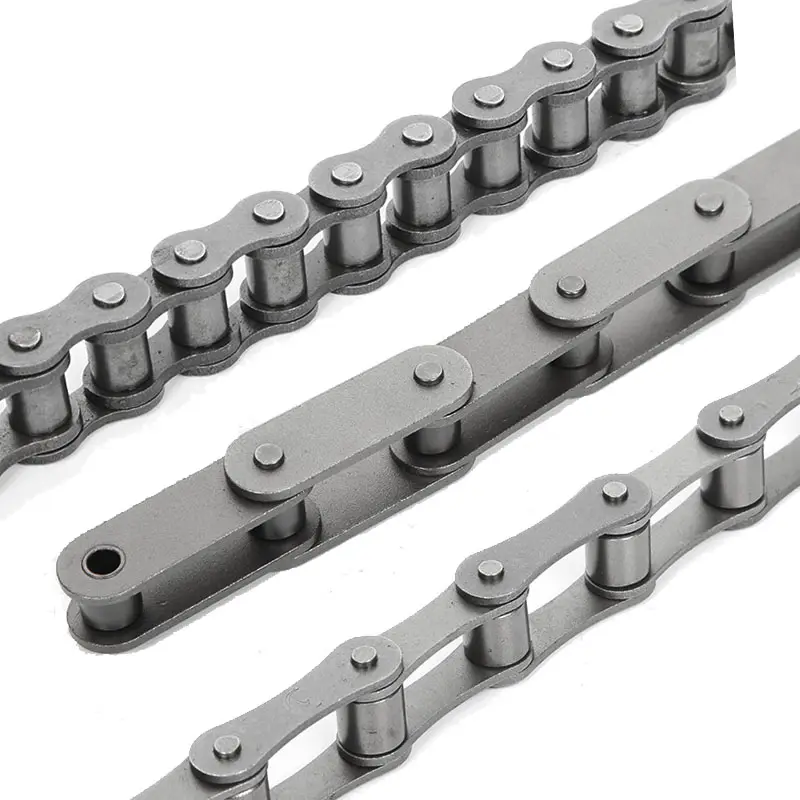
How do engineering chains handle angular misalignment between sprockets?
Engineering chains are designed to handle a certain degree of angular misalignment between sprockets. Angular misalignment occurs when the rotational axes of the driving and driven sprockets are not perfectly parallel, leading to an angle between them. While it is essential to minimize misalignment to prevent excessive wear and premature failure, some level of misalignment tolerance is built into engineering chains to accommodate real-world installation variations.
When angular misalignment exists, the chain’s side plates and rollers are designed to articulate and adjust to the varying angles between the sprockets. This flexibility allows the chain to smoothly engage and disengage from the sprocket teeth without binding or jamming. However, it’s important to note that excessive misalignment can still cause accelerated wear, noise, and reduced efficiency in the chain drive system.
To ensure optimal performance and longevity, it is recommended to keep angular misalignment within the manufacturer’s specified limits. These limits can vary depending on the chain size, type, and application. When installing an engineering chain, it’s crucial to align the sprockets as accurately as possible and use alignment tools if necessary.
In applications where angular misalignment is unavoidable, special chain types or accessories, such as chain tensioners or idler sprockets, can be used to help compensate for the misalignment and improve overall system performance.
In summary, engineering chains are designed to handle a certain degree of angular misalignment between sprockets, but it is essential to follow the manufacturer’s guidelines and maintain proper alignment to ensure reliable and efficient operation of the chain drive system.
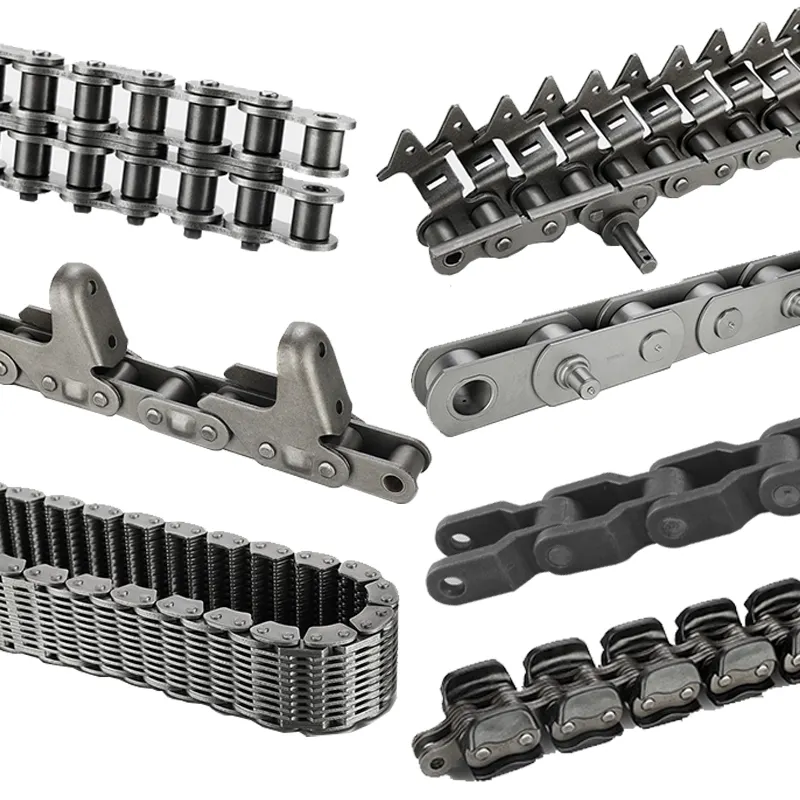
Are there any special considerations for lubricating engineering chains?
Yes, proper lubrication is essential for the optimal performance and longevity of engineering chains. Here are some special considerations to keep in mind when lubricating engineering chains:
1. Lubricant Selection: Choose the appropriate lubricant based on the chain’s operating conditions, speed, load, and environmental factors. Different applications may require different types of lubricants, such as oil-based or grease-based lubricants.
2. Correct Lubrication Amount: Applying the right amount of lubricant is crucial. Insufficient lubrication can lead to increased friction and wear, while excessive lubrication can attract contaminants and cause the chain to sling off excess grease or oil.
3. Regular Lubrication: Implement a regular lubrication schedule to ensure the chain is consistently lubricated. Frequent lubrication can help reduce friction and wear, extending the chain’s service life.
4. Lubrication Method: The method of lubrication will depend on the chain design and accessibility. Some chains have built-in lubrication systems, while others may require manual lubrication using oilers or grease guns.
5. Cleanliness: Before lubrication, make sure the chain is clean and free from debris. Cleaning the chain helps prevent abrasive particles from becoming trapped in the lubricant, which could accelerate wear.
6. Avoid Contaminants: Keep lubricants and lubrication equipment free from contaminants to maintain the purity and effectiveness of the lubricant.
7. Environmental Factors: Consider the operating environment when selecting a lubricant. High temperatures, moisture, and harsh chemicals can affect the lubricant’s performance, so choose one that can withstand these conditions.
8. Reapplication: In some applications, the lubricant may wear off or become contaminated more quickly. Regularly monitor the chain’s lubrication condition and reapply lubricant as needed.
9. Training and Safety: Ensure that personnel involved in the lubrication process are properly trained in handling lubricants safely and efficiently.
By following these special considerations, you can optimize the performance and reliability of engineering chains through effective lubrication, reducing wear and extending the chain’s useful life in various industrial applications.


editor by CX 2023-07-24