
Product Description
Product Description
1.Material:reinforced nylon. It can stand with high pressure and has good tensile strength,toughness and elasticity ,wearing and falmable resisance.2.Resistances:It is oil and acceleration is 5m/sec.(specfic speed and acceleration depends on specific).3.Service life:Under normal conmal condition,5 million reciprocating motions can be reached(which is also related to the operating conditions.)
Technical data:
|
Tensile strength |
180N/mm2 | Volume resistance | 1571-1015 |
| Impact strength | 50Kj/m2 | Water Absorption | 4% |
| Tenprature range | -40.C-130.C | Friction factor | 0.3 |
| Surface resistaned | 1571-1012 | Falme resistance | HB(UL49) |
Details
Application
The Engineering Plastic Roller Chain Cable Drag Chain has been widely used in CNC machine tools, electronic equipment, stone machinery, glass machinery, doors and windows machines, injection molding machines, mechanical hands, overweight transportation equipment, automated warehouses.
Installation
1.Put a screw driver vertically into the opening hole at both ends of the cover and then open the cover .Put the drag chain for cables and oip pipes according to the instructions provided .Put the cover back.Note that the fixed end and the moving end of a cable should be fixed by using a tension device
2.When used in a long sliding service,it is recommended to use a guiding grove,Please ask our technical personnel about the usage of the guiding grove.
Order notice :
Kindly please advise the below:
1. Length:
2. Cable or pipe Max. Dia.:
3. Supporting board type:
4. Bending Radius(or the curved height ):
Company Profile
ZheJiang CHINAMFG Conductor Busbar Electrical Co.,Ltd. Is located in ZheJiang ,Established in 2001 and have been involved in this field for more than 10 years.CHINAMFG is professional enterprise in searching and developing the electrical products and engineering.The main products includes:conductor rail system .bus duct system,cable festoon system ,cable drag chain cable tray,lighting busbar and related accessories, our products used in mobile power supply for crane ,electrical hoist .as well as factory,high building power distribution.With excellent products quality ,good service our products are greatly favored bycustomers around the domestic and foreign market, we will devote ourselves to provide better service for the whole world customer.
Packaging & Shipping
Welcome to inquiry ~
| Surface Treatment: | Polishing |
|---|---|
| Material: | Plastic |
| Bending Radius: | 50mm-750mm |
| Max.Width(mm): | 200mm-650mm |
| Feature: | Fire Resistant, Oil Resistant, Heat Resistant |
| Pitch: | 45mm-180mm |
| Customization: |
Available
| Customized Request |
|---|
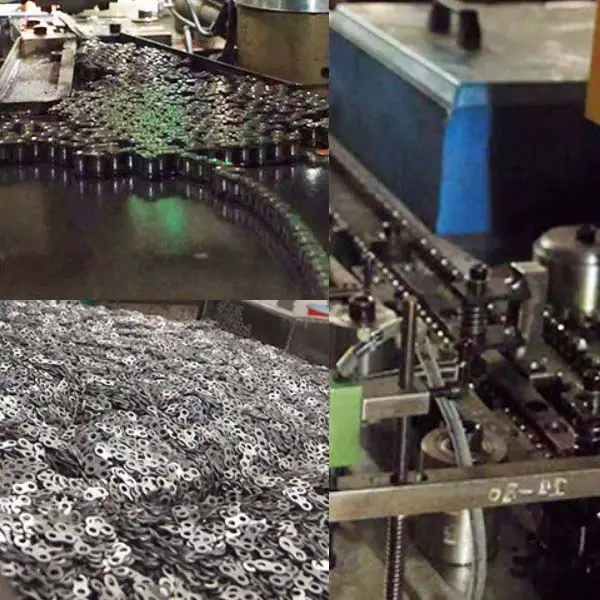
How do engineering chains handle misalignment between sprockets?
Engineering chains are designed to handle some degree of misalignment between sprockets. Misalignment can occur due to various factors such as improper installation, wear and elongation of the chain, or inaccuracies in the machinery. While some misalignment is inevitable in many industrial applications, excessive misalignment should be avoided to ensure optimal chain performance and longevity.
Here’s how engineering chains handle misalignment:
- Flexible Construction: Engineering chains are constructed with flexible components such as pins, rollers, and bushings. This design allows the chain to adapt to minor misalignments without putting excessive stress on the chain or sprockets.
- Articulating Joints: The articulating joints in the chain allow it to articulate smoothly around the sprockets, accommodating minor misalignment during the rotation. This helps reduce wear on the chain and sprockets.
- Tolerance for Misalignment: Manufacturers provide specifications for the allowable misalignment between sprockets. Engineering chains are designed to handle a certain level of misalignment within these tolerances without significantly affecting their performance.
- Proper Installation: Correct installation of the engineering chain is crucial to minimizing misalignment issues. Ensuring proper tension, alignment, and center-to-center distance between sprockets can help reduce misalignment and prolong chain life.
- Regular Maintenance: Regular maintenance, including chain inspection and lubrication, can help identify and address misalignment issues early on. Promptly correcting misalignment can prevent further damage and ensure efficient chain operation.
- Alignment Devices: In some cases, alignment devices or tools may be used during installation to ensure accurate alignment between the sprockets. These devices can help improve chain performance and reduce wear caused by misalignment.
It is essential to follow the manufacturer’s guidelines for chain installation, maintenance, and alignment to optimize the performance and service life of engineering chains. Addressing misalignment issues promptly and keeping the chain in proper working condition will contribute to the overall reliability and efficiency of the machinery or equipment in which the chain is used.
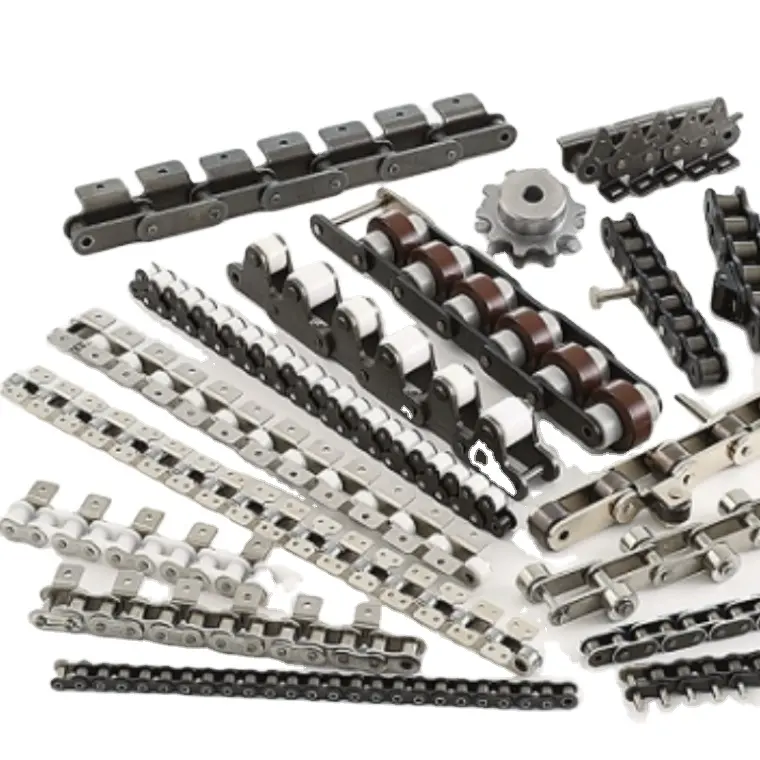
Can engineering chains be used in low-temperature or cryogenic environments?
Yes, engineering chains can be used in low-temperature or cryogenic environments with appropriate material selection and lubrication. When operating in extremely cold conditions, standard chain materials may become brittle and prone to failure. However, by using special materials and lubricants designed for low temperatures, engineering chains can maintain their performance and reliability.
In cryogenic applications, such as in the aerospace, medical, or scientific industries, where temperatures can reach extremely low levels (typically below -150°C or -238°F), standard steel chains may not be suitable. In such cases, engineers often opt for materials like stainless steel, nickel-plated steel, or other alloys that can withstand cryogenic temperatures without losing their mechanical properties.
Lubrication is another critical consideration in low-temperature environments. Conventional lubricants may freeze or become less effective at extremely cold temperatures, leading to increased friction and wear. Therefore, special lubricants that remain fluid at low temperatures, such as synthetic oils or greases designed for cryogenic use, should be applied to ensure smooth chain operation and reduce wear.
In summary, engineering chains can be used in low-temperature or cryogenic environments, provided that the appropriate materials and lubricants are chosen for the specific application. By selecting the right chain and ensuring proper lubrication, the performance and service life of the engineering chain can be maintained even in extreme cold conditions.
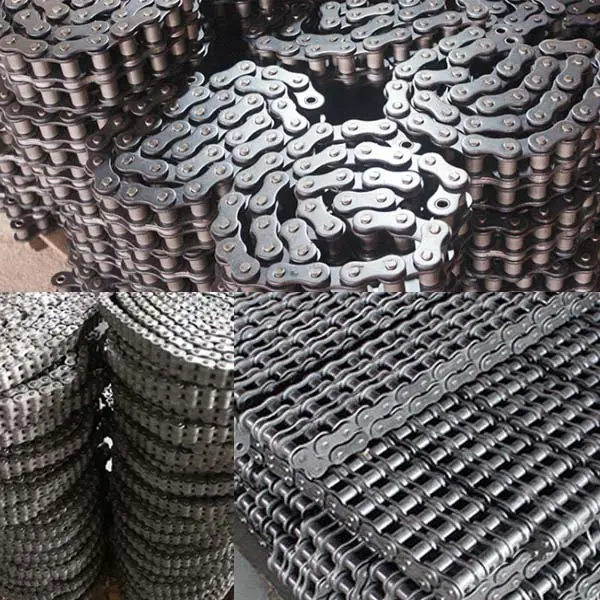
How does an engineering chain differ from a standard roller chain?
Engineering chains and standard roller chains share similarities in terms of their basic design, consisting of interconnected links that engage with sprockets for power transmission. However, there are key differences between the two types of chains:
- Application: Standard roller chains, also known as transmission chains, are primarily used for power transmission in industrial applications. They are commonly found in machinery, automotive, and other power transmission systems. On the other hand, engineering chains have a broader range of applications and are specifically designed for various industrial uses beyond pure power transmission.
- Design and Construction: Engineering chains are available in different configurations and materials to meet specific industrial needs. They come in various types like drag chains, apron chains, leaf chains, and more, each tailored for a particular application, such as material handling, lifting, or conveying. Standard roller chains have a more standardized design with cylindrical rollers, providing smooth motion in power transmission applications.
- Attachments: Engineering chains often feature attachments or extended pins that allow for the connection of specialized components or accessories. These attachments can be used for carrying loads, attaching products, or facilitating specific tasks in industrial processes. Standard roller chains, on the other hand, typically do not come with attachments.
- Load Capacity: Engineering chains are designed to handle a wide range of loads, including heavy loads, abrasive materials, and harsh environmental conditions. They are built to withstand the demands of rugged industrial settings. Standard roller chains are suitable for general power transmission applications and may not be as robust as engineering chains in challenging environments.
- Specialty Chains: Engineering chains include various specialty chains that cater to specific industries and applications, such as mining, agriculture, escalators, and more. Standard roller chains do not have the same diversity of specialized variants.
In summary, engineering chains are more versatile and adaptable, tailored to a broader range of industrial applications beyond power transmission. They offer a wider variety of designs, materials, and attachments to suit specific needs, making them suitable for demanding and specialized tasks in various industries.


editor by CX 2023-10-16