
Product Description
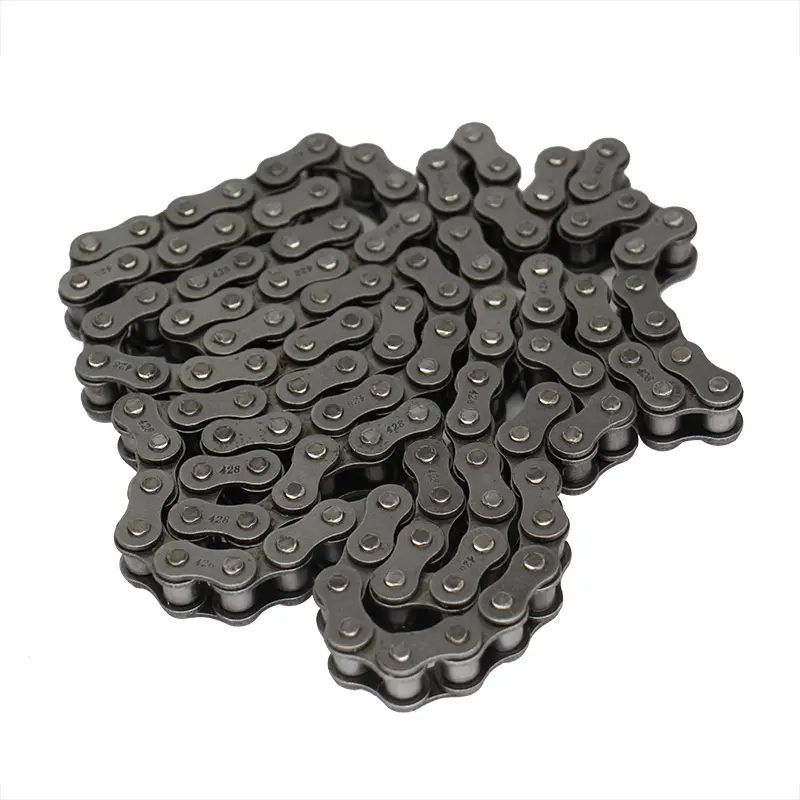
Alloy Steel Material Zinc-Plated Engineering Industrial Transmission Conveyor Roller Chain
Product Description
1. Material: Alloy steel & Stainless steel
2. Surface treatment: Shot peening / Zinc-plated / Nickel-plated / Dacromet-plated
3. Characteristic: Chain plate hole finally passed ball extrusion to ensure maximum fatigue resistance, parts of shot peening treatment makes the chain and the sleeve has a higher fatigue strength.
| Materials Available | 1. Stainless Steel: SS304, SS316, etc |
| 2. Alloy Steel: 45Mn, 42CrMo, etc | |
| 3. OEM according to your request | |
| Surface Treatment | Shot peening, Polishing, Oxygenation, Blackening, Zinc-plated, Nickel-plated, Anodized, etc. |
| Characteristic | Fire Resistant, Oil Resistant, Heat Resistant |
| Application | Agricultural machine |
| Design criterion | ISO DIN ANSI & Customer’s Drawing |
| Size | Customer’s Drawing & ISO standard |
| Package | Wooden Case / Container and pallet, or made-to-order |
| Certificate | ISO9001: 2008 |
| Advantage | First quality, best service, competitive price, fast delivery |
| Delivery Time | 20 days for samples. 45 days for official order. |
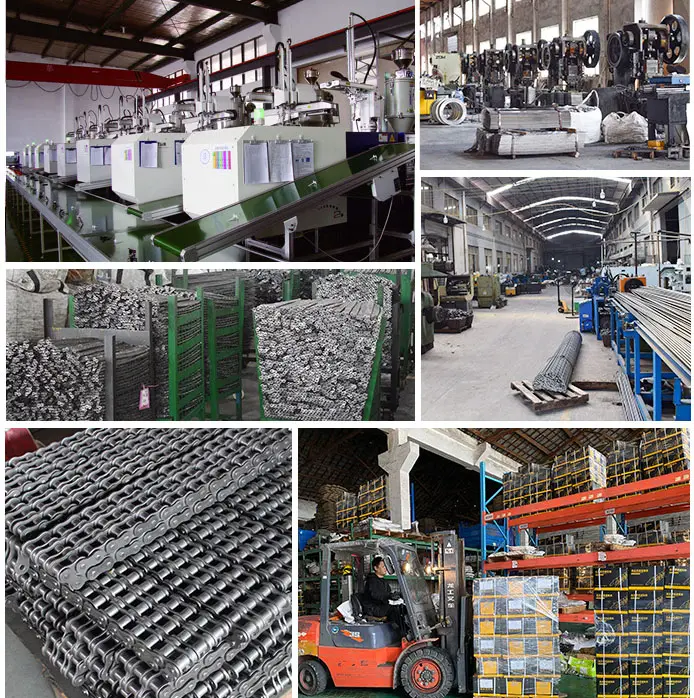
Detailed Photos
View more products,please click here…
Company Profile
/* January 22, 2571 19:08:37 */!function(){function s(e,r){var a,o={};try{e&&e.split(“,”).forEach(function(e,t){e&&(a=e.match(/(.*?):(.*)$/))&&1
| Material: | Alloy/Carbon Steel |
|---|---|
| Sample: | for Free |
| Transport Package: | Plastic Bag+Carton Box+Plywood Case |
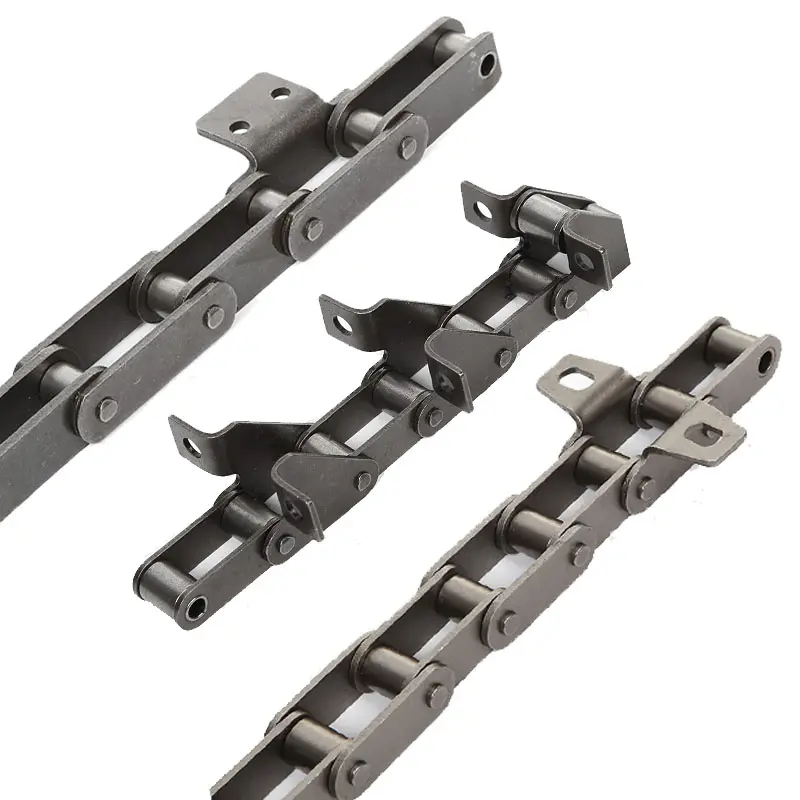
| Specification: | S55K1, S62A2K1 |
| Trademark: | made-to-order |
| Origin: | China |
| Samples: |
US$ 0/Meter
1 Meter(Min.Order) | |
|---|
| Customization: |
Available
| Customized Request |
|---|
How do engineering chains handle variable speed requirements?
Engineering chains are designed to handle variable speed requirements in power transmission systems. They are capable of accommodating a wide range of speeds without compromising their performance or durability. Here’s how engineering chains handle variable speed conditions:
- Flexible Design: Engineering chains are constructed with a flexible design that allows them to adapt to changes in speed. The chain’s links and rollers can smoothly engage and disengage with the sprockets, ensuring efficient power transmission even at varying speeds.
- Smooth Operation: The precision manufacturing of engineering chains ensures smooth and consistent operation across different speed ranges. This smooth operation reduces vibration and noise, minimizing wear and tear on the chain and sprockets.
- Lubrication: Proper lubrication is essential for engineering chains to handle variable speed conditions. Lubrication reduces friction between the chain’s components, preventing premature wear and enhancing the chain’s ability to operate effectively at different speeds.
- Load Distribution: Engineering chains distribute the transmitted load evenly across their links, reducing stress concentration points. This load distribution capability enables the chain to handle varying torque and speed requirements without compromising its strength or performance.
- High-Quality Materials: The use of high-quality materials in engineering chains ensures their ability to withstand the rigors of variable speed applications. High-grade alloy steels or stainless steels are often used to enhance the chain’s strength, durability, and resistance to fatigue.
- Proper Tensioning: Maintaining the appropriate tension in the engineering chain is crucial for reliable performance at varying speeds. Proper tensioning prevents chain slack and excessive wear, ensuring the chain remains engaged with the sprockets at all times.
- Variable Pitch Chains: In some applications, engineers may opt for variable pitch chains. These chains have special designs that allow them to accommodate variable speed conditions more effectively.
By considering factors such as chain design, lubrication, load distribution, material quality, and tensioning, engineering chains can smoothly handle variable speed requirements in various industrial applications. Ensuring proper maintenance and selecting the appropriate chain type for the specific application will maximize the chain’s performance and service life.
What are the factors to consider when selecting an engineering chain for an application?
When selecting an engineering chain for a specific application, several important factors should be taken into consideration:
1. Load Capacity: Determine the maximum load the chain will need to handle in the application. It’s crucial to select a chain with a sufficient load-carrying capacity to ensure safe and reliable operation.
2. Speed: Consider the operating speed of the application. High-speed applications may require special engineering chains designed to handle increased centrifugal forces and reduce wear.
3. Environmental Conditions: Evaluate the environmental factors the chain will be exposed to, such as temperature, humidity, corrosive substances, and contaminants. Choose chains with suitable materials and coatings to withstand these conditions.
4. Lubrication: Determine the lubrication requirements of the chain. Some chains may require regular lubrication, while others are designed to operate with minimal or no additional lubrication.
5. Alignment and Tension: Ensure proper alignment and tensioning of the chain to prevent premature wear and elongation, which can lead to chain failure.
6. Space Limitations: Consider the available space for the chain in the application. Some environments may require compact chain designs to fit within tight spaces.
7. Application Type: Different types of engineering chains are available, each designed for specific applications, such as conveyor systems, power transmission, lifting equipment, or agricultural machinery. Select a chain type that aligns with the application’s requirements.
8. Maintenance: Evaluate the maintenance capabilities of the application. Some chains may require frequent maintenance, while others offer extended maintenance intervals.
9. Cost: Consider the budget for the chain. While cost is important, it’s essential to balance it with the chain’s quality and performance to ensure long-term reliability and reduced downtime.
10. Manufacturer and Quality: Choose engineering chains from reputable manufacturers known for producing high-quality and reliable products.
By carefully considering these factors, engineers and operators can select the most suitable engineering chain for their specific application, ensuring optimal performance, longevity, and safety.
How do engineering chains handle shock loads and impact forces?
Engineering chains are designed to handle a range of loads, including shock loads and impact forces, encountered in various industrial applications. Their ability to withstand these forces depends on several factors:
1. Material Selection: High-quality engineering chains are often made from robust materials such as alloy steel or stainless steel. These materials provide excellent strength and durability, allowing the chain to handle shock loads without permanent deformation or failure.
2. Chain Design: The design of engineering chains plays a crucial role in their ability to handle shock loads. The chain’s structure, such as the shape and size of its components, determines its load-bearing capacity and resistance to impact forces.
3. Heat Treatment: Some engineering chains undergo specific heat treatment processes to enhance their hardness and toughness. Heat-treated chains can better withstand shock loads and impact forces, making them suitable for demanding applications.
4. Fatigue Resistance: Engineering chains are designed to have good fatigue resistance, which means they can endure repeated loading cycles without failure. This property is essential for withstanding impact forces that occur intermittently in certain applications.
5. Proper Installation and Tensioning: Correct installation and appropriate tensioning of the chain are essential to ensure optimal performance under shock loads. Improper tensioning may lead to excessive stress on the chain and premature failure.
6. Chain Speed: The speed at which the chain operates can influence its ability to handle shock loads. High-speed operation may generate additional forces, so the chain must be rated to withstand these forces without exceeding its limits.
7. Regular Maintenance: Proper maintenance is crucial for extending the life of engineering chains subjected to shock loads and impact forces. Regular inspections, lubrication, and replacement of worn components are essential to keep the chain in optimal condition.
Overall, engineering chains are engineered to handle shock loads and impact forces in industrial environments. However, it is crucial to choose the right chain type, size, and material for the specific application and to follow proper installation and maintenance practices to ensure reliable and safe operation under varying load conditions.


editor by CX 2024-04-26