
Product Description
Product Description
1.Material:reinforced nylon. It can stand with high pressure and has good tensile strength,toughness and elasticity ,wearing and falmable resisance.2.Resistances:It is oil and acceleration is 5m/sec.(specfic speed and acceleration depends on specific).3.Service life:Under normal conmal condition,5 million reciprocating motions can be reached(which is also related to the operating conditions.)
Technical data:
|
Tensile strength |
180N/mm2 | Volume resistance | 1571-1015 |
| Impact strength | 50Kj/m2 | Water Absorption | 4% |
| Tenprature range | -40.C-130.C | Friction factor | 0.3 |
| Surface resistaned | 1571-1012 | Falme resistance | HB(UL49) |
Details
Application
The Engineering Plastic Roller Chain Cable Drag Chain has been widely used in CNC machine tools, electronic equipment, stone machinery, glass machinery, doors and windows machines, injection molding machines, mechanical hands, overweight transportation equipment, automated warehouses.
Installation
1.Put a screw driver vertically into the opening hole at both ends of the cover and then open the cover .Put the drag chain for cables and oip pipes according to the instructions provided .Put the cover back.Note that the fixed end and the moving end of a cable should be fixed by using a tension device
2.When used in a long sliding service,it is recommended to use a guiding grove,Please ask our technical personnel about the usage of the guiding grove.
Order notice :
Kindly please advise the below:
1. Length:
2. Cable or pipe Max. Dia.:
3. Supporting board type:
4. Bending Radius(or the curved height ):
Company Profile
ZheJiang CHINAMFG Conductor Busbar Electrical Co.,Ltd. Is located in ZheJiang ,Established in 2001 and have been involved in this field for more than 10 years.CHINAMFG is professional enterprise in searching and developing the electrical products and engineering.The main products includes:conductor rail system .bus duct system,cable festoon system ,cable drag chain cable tray,lighting busbar and related accessories, our products used in mobile power supply for crane ,electrical hoist .as well as factory,high building power distribution.With excellent products quality ,good service our products are greatly favored bycustomers around the domestic and foreign market, we will devote ourselves to provide better service for the whole world customer.
Packaging & Shipping
Welcome to inquiry ~
| Surface Treatment: | Polishing |
|---|---|
| Material: | Plastic |
| Bending Radius: | 50mm-750mm |
| Max.Width(mm): | 200mm-650mm |
| Feature: | Fire Resistant, Oil Resistant, Heat Resistant |
| Pitch: | 45mm-180mm |
| Customization: |
Available
| Customized Request |
|---|
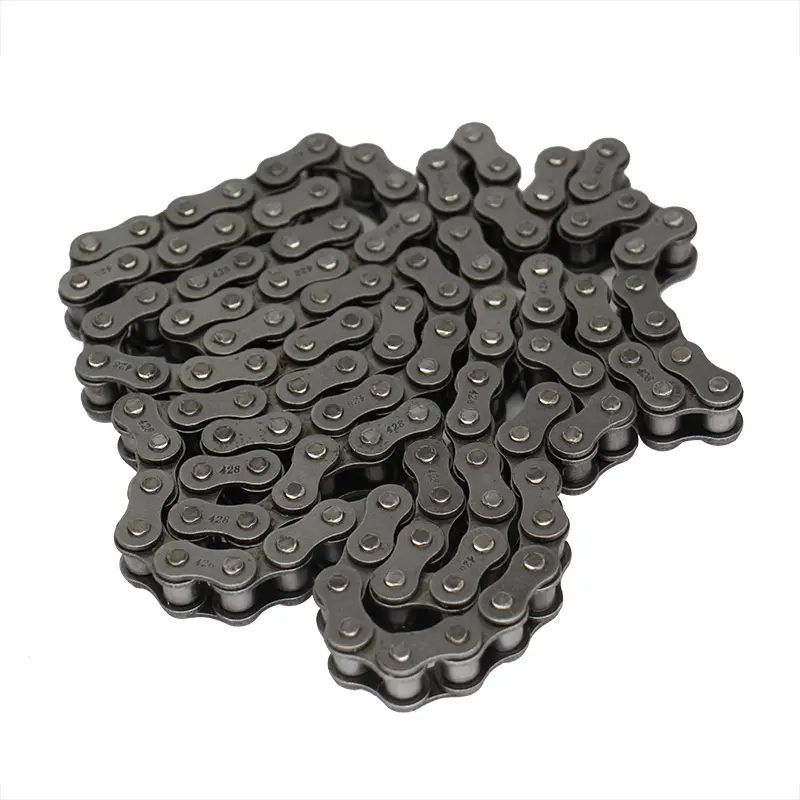
How do engineering chains handle variable speed requirements?
Engineering chains are designed to handle variable speed requirements in power transmission systems. They are capable of accommodating a wide range of speeds without compromising their performance or durability. Here’s how engineering chains handle variable speed conditions:
- Flexible Design: Engineering chains are constructed with a flexible design that allows them to adapt to changes in speed. The chain’s links and rollers can smoothly engage and disengage with the sprockets, ensuring efficient power transmission even at varying speeds.
- Smooth Operation: The precision manufacturing of engineering chains ensures smooth and consistent operation across different speed ranges. This smooth operation reduces vibration and noise, minimizing wear and tear on the chain and sprockets.
- Lubrication: Proper lubrication is essential for engineering chains to handle variable speed conditions. Lubrication reduces friction between the chain’s components, preventing premature wear and enhancing the chain’s ability to operate effectively at different speeds.
- Load Distribution: Engineering chains distribute the transmitted load evenly across their links, reducing stress concentration points. This load distribution capability enables the chain to handle varying torque and speed requirements without compromising its strength or performance.
- High-Quality Materials: The use of high-quality materials in engineering chains ensures their ability to withstand the rigors of variable speed applications. High-grade alloy steels or stainless steels are often used to enhance the chain’s strength, durability, and resistance to fatigue.
- Proper Tensioning: Maintaining the appropriate tension in the engineering chain is crucial for reliable performance at varying speeds. Proper tensioning prevents chain slack and excessive wear, ensuring the chain remains engaged with the sprockets at all times.
- Variable Pitch Chains: In some applications, engineers may opt for variable pitch chains. These chains have special designs that allow them to accommodate variable speed conditions more effectively.
By considering factors such as chain design, lubrication, load distribution, material quality, and tensioning, engineering chains can smoothly handle variable speed requirements in various industrial applications. Ensuring proper maintenance and selecting the appropriate chain type for the specific application will maximize the chain’s performance and service life.
How do engineering chains perform in dusty or dirty environments?
In dusty or dirty environments, engineering chains face unique challenges due to the presence of contaminants that can affect their performance and longevity. However, many engineering chains are designed to handle such harsh conditions, and their performance can be enhanced with proper maintenance and considerations.
1. Sealing and Protection: Some engineering chains come with specialized seals or protective coatings to prevent dust, dirt, and other contaminants from entering the chain’s internal components. These seals help maintain the integrity of the lubrication and reduce the risk of abrasive particles causing wear.
2. Lubrication: Proper and regular lubrication is essential for engineering chains operating in dusty environments. Lubrication helps reduce friction and wear, flushing out contaminants that may have entered the chain. It’s crucial to use lubricants suitable for dusty conditions to prevent excessive buildup of dirt and debris.
3. Cleaning and Maintenance: Regular cleaning and maintenance are crucial to keep the chain functioning optimally in dirty environments. Removing accumulated dirt and debris helps prevent abrasive wear and elongation of the chain.
4. Material Selection: Choosing the right materials for the chain is vital for dusty environments. Chains with corrosion-resistant coatings or made from stainless steel can better withstand the abrasive nature of dust and dirt.
5. Chain Design: The design of the engineering chain can also influence its performance in dusty environments. Some chains have self-cleaning features or specific geometry that helps shed dirt and debris during operation.
6. Regular Inspection: Regular visual inspection of the chain can help identify signs of wear and contamination early on, allowing for timely maintenance or replacement.
7. Environmental Considerations: Understanding the specific conditions of the dusty environment is essential for selecting the most suitable engineering chain. Factors such as temperature, humidity, and the type of contaminants present should be taken into account.
8. Ingress Protection (IP) Rating: In certain industries, such as food processing or pharmaceuticals, engineering chains with specific IP ratings may be required to ensure compliance with hygiene and cleanliness standards.
In conclusion, engineering chains can perform well in dusty or dirty environments if properly selected, installed, and maintained. Regular cleaning, lubrication, and inspection are essential to ensure optimal performance and extend the chain’s service life in such challenging conditions.
Can engineering chains handle heavy loads and high torque requirements?
Yes, engineering chains are designed to handle heavy loads and high torque requirements, making them well-suited for various industrial applications that demand robust power transmission capabilities. The construction and materials used in engineering chains ensure their ability to withstand the stresses and forces associated with heavy loads and high torque.
Engineering chains are commonly used in heavy machinery, mining equipment, construction machinery, and other applications where substantial power transmission is necessary. Their sturdy design and precise engineering allow them to efficiently transmit power and handle the forces generated during operation.
The load capacity and torque-handling capabilities of engineering chains can vary depending on their design, size, and material. Manufacturers provide technical specifications and load ratings for different engineering chain types, enabling users to select the appropriate chain based on their specific application requirements.
In summary, engineering chains are well-equipped to handle heavy loads and high torque requirements, making them reliable and effective components in industrial systems that demand strength, durability, and efficient power transmission.


editor by CX 2023-10-20