
Product Description
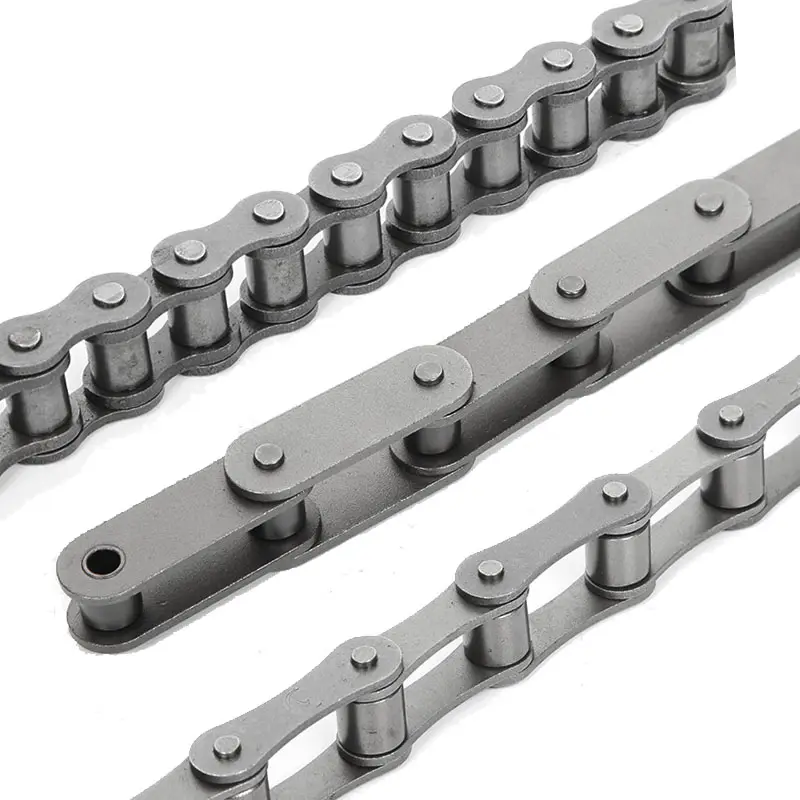
Fire Resistant Steel Pallet Engineering Rubber Glove Conveyor Chains
1. Chain Material: Heat Treatment Alloy steel
2. Chain type: Single Form & Double Form
3. Advantage: a. Heat Treatment Plate
b. Bearing cover special design
c. The good quality high temprature grease (180 temprature)
d. Running chain have high stationarity.
e. Strict QC contral
4. Chain Surface Treatment: Shot peening
5. Chain Size: P100 & P90
6. Application: The chains are widely used in Malaysia & Thailand rubber glove factory.
| Item Name | Standard transmission Roller Chains | Model | Series A, Series B |
| Row | Simplex/Duplex/Triplex | Application | Machinery Parts |
| Surface Treatment | Self-color/sand-blasted/shot-peening | Certification | ISO, ANSI, DIN, BS |
| Packing | Packaged in boxes and wooden cases, or packaged in reels and then on pallets. | Port | Any sea port or airport in China |
Related products
| Usage: | Transmission Chain, Drag Chain, Conveyor Chain, Dedicated Special Chain |
|---|---|
| Material: | Stainless steel |
| Surface Treatment: | Oil Blooming |
| Feature: | Oil Resistant |
| Chain Size: | 1/2"*3/32" |
| Structure: | Roller Chain |
| Samples: |
US$ 9999/Piece
1 Piece(Min.Order) | |
|---|
How do engineering chains compare to other types of chains in terms of efficiency?
Engineering chains are known for their high efficiency in power transmission compared to some other types of chains. Their efficiency can be attributed to several factors:
- Minimal Friction: Engineering chains are designed with precision rollers and bushings, which reduces friction between the chain’s components. This results in less energy loss during power transmission.
- High-Quality Materials: These chains are typically made from high-quality materials, such as alloy steel, which ensures durability and minimal elongation under heavy loads. This material choice helps maintain efficiency over extended periods of use.
- Precise Manufacturing: Engineering chains are manufactured with tight tolerances and precise engineering, ensuring consistent performance and smooth operation. This precision minimizes energy losses due to chain misalignment or uneven loading.
- Optimized Design: The design of engineering chains takes into account the specific requirements of power transmission, making them well-suited for their intended applications. This optimized design contributes to their overall efficiency.
- Proper Lubrication: Regular and proper lubrication of engineering chains is essential to maintain their efficiency. Adequate lubrication reduces friction and wear, optimizing power transfer efficiency.
Compared to some other types of chains, such as standard roller chains, engineering chains may offer higher efficiency due to their advanced design and manufacturing processes. However, the choice of chain type depends on the specific application requirements, load conditions, operating environment, and other factors.
In certain applications, other power transmission methods like belts or gears might be preferred over chains, based on factors such as noise level, space constraints, and maintenance considerations. Each power transmission method has its advantages and limitations, and selecting the most suitable option requires careful consideration of the application’s needs.
How do engineering chains handle reverse motion or anti-reverse requirements?
Engineering chains are designed to handle reverse motion or anti-reverse requirements in certain applications. This capability is essential in situations where the load or the machinery needs to move back and forth. Here’s how engineering chains achieve this:
1. Tooth Shape: Many engineering chains, such as roller chains or silent chains, feature a specific tooth shape on the sprockets. The tooth profile is designed to engage the chain rollers or links in one direction, allowing smooth motion, while preventing engagement in the reverse direction, effectively acting as an anti-reverse mechanism.
2. One-Way Clutches: Some engineering chain applications may incorporate one-way clutches or overrunning clutches. These devices allow the chain and sprockets to engage and transmit power in one direction, while freewheeling or disengaging in the opposite direction, preventing reverse motion.
3. Ratcheting Mechanisms: In certain engineering chain systems, ratcheting mechanisms are employed to allow forward motion and prevent backward movement. These mechanisms consist of pawls and teeth that engage in one direction and disengage in the reverse direction, effectively providing an anti-reverse function.
4. Backstop Clutches: Backstop clutches are used to prevent reverse motion in specific engineering chain applications. These clutches allow the chain to engage and transmit power in one direction, while locking and preventing motion in the reverse direction.
5. Tensioning Devices: Proper tensioning of the engineering chain can also play a role in preventing reverse motion. Adequate tension helps keep the chain engaged with the sprockets in the desired direction, reducing the risk of slipping or backdriving.
6. Design and Orientation: Engineers can design the system in a way that naturally discourages reverse motion. For example, the layout of the chain path and the arrangement of sprockets can make it less likely for the chain to move in the opposite direction.
By using these methods and incorporating suitable components, engineering chains can effectively handle reverse motion or anti-reverse requirements, ensuring the safe and reliable operation of machinery in applications where back-and-forth motion is necessary.
What are the maintenance requirements for engineering chains?
Maintaining engineering chains is essential to ensure their longevity, reliable performance, and safe operation in industrial applications. The following are key maintenance requirements for engineering chains:
1. Regular Inspection: Conduct routine visual inspections of the chain to check for signs of wear, corrosion, or damage. Look for elongation, bent or broken links, and worn sprocket engagement areas.
2. Lubrication: Proper and timely lubrication is crucial for reducing friction and wear between chain components. Lubricate the chain using a suitable lubricant as recommended by the manufacturer.
3. Tension Adjustment: Check and adjust the chain’s tension regularly to maintain the correct amount of slack. Proper tension ensures efficient power transmission and minimizes stress on the chain and sprockets.
4. Cleaning: Keep the chain clean and free from debris, dirt, and contaminants that may accelerate wear and corrosion. Use appropriate cleaning methods and solutions that do not damage the chain’s surface.
5. Replace Worn Components: Replace any worn or damaged components, such as chain links or sprockets, promptly to prevent further damage and potential chain failure.
6. Avoid Overloading: Do not subject the engineering chain to loads exceeding its capacity. Overloading can lead to premature wear and failure.
7. Environmental Considerations: Consider the environment in which the chain operates. In corrosive or harsh environments, choose chains with appropriate coatings or materials to resist corrosion.
8. Follow Manufacturer’s Recommendations: Adhere to the manufacturer’s maintenance guidelines and recommended service intervals specific to the engineering chain model and application.
9. Training and Safety: Ensure that personnel handling the chain are properly trained in maintenance procedures and safety protocols.
10. Record Keeping: Maintain detailed records of maintenance activities, inspections, and replacements to track the chain’s condition and performance over time.
By following these maintenance requirements, industrial operators can extend the life of engineering chains, prevent unplanned downtime, and ensure safe and efficient operation in their respective applications.


editor by CX 2023-11-01