
Product Description
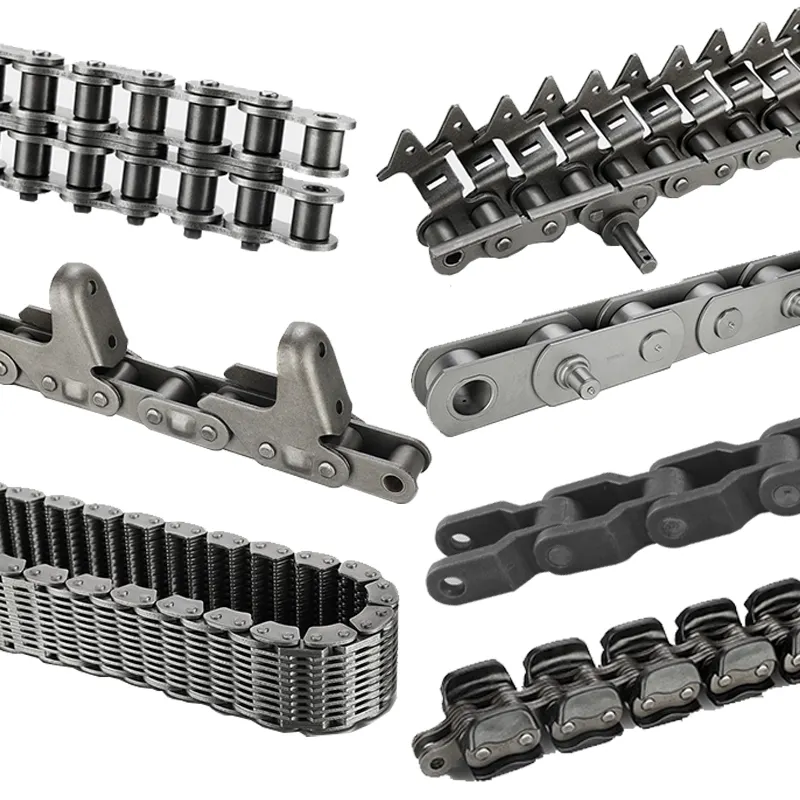
Engineering Industrial Machinery Agricultural Conveyor Chain
Product Description
1. Material: Alloy steel & Stainless steel
2. Surface treatment: Shot peening / Zinc-plated / Nickel-plated / Dacromet-plated
3. Characteristic: Chain plate hole finally passed ball extrusion to ensure maximum fatigue resistance, parts of shot peening treatment makes the chain and the sleeve has a higher fatigue strength.
| Materials Available | 1. Stainless Steel: SS304, SS316, etc |
| 2. Alloy Steel: 45Mn, 42CrMo, etc | |
| 3. OEM according to your request | |
| Surface Treatment | Shot peening, Polishing, Oxygenation, Blackening, Zinc-plated, Nickel-plated, Anodized, etc. |
| Characteristic | Fire Resistant, Oil Resistant, Heat Resistant |
| Application | Agricultural machine |
| Design criterion | ISO DIN ANSI & Customer’s Drawing |
| Size | Customer’s Drawing & ISO standard |
| Package | Wooden Case / Container and pallet, or made-to-order |
| Certificate | ISO9001: 2008 |
| Advantage | First quality, best service, competitive price, fast delivery |
| Delivery Time | 20 days for samples. 45 days for official order. |
Detailed Photos
View more products,please click here…
Company Profile
/* January 22, 2571 19:08:37 */!function(){function s(e,r){var a,o={};try{e&&e.split(“,”).forEach(function(e,t){e&&(a=e.match(/(.*?):(.*)$/))&&1
| Material: | Alloy/Carbon Steel |
|---|---|
| Sample: | for Free |
| Transport Package: | Plastic Bag+Carton Box+Plywood Case |
| Specification: | S55K1, S62A2K1 |
| Trademark: | made-to-order |
| Origin: | China |
| Samples: |
US$ 0/Meter
1 Meter(Min.Order) | |
|---|
| Customization: |
Available
| Customized Request |
|---|
Can engineering chains be used in high-temperature environments?
Yes, engineering chains can be used in high-temperature environments, but their performance depends on the type of material they are made of and the specific temperature conditions they are exposed to. Here are some considerations for using engineering chains in high-temperature environments:
- Material Selection: Chains made from heat-resistant materials, such as stainless steel or special alloy steels, are suitable for high-temperature applications. These materials offer increased resistance to heat, oxidation, and corrosion.
- Lubrication: Proper lubrication is critical when using engineering chains in high-temperature environments. High-temperature lubricants that can withstand the specific temperature range are essential to reduce friction and wear between the chain’s components.
- Heat Dissipation: In high-temperature environments, the heat generated by the chain’s operation needs to be dissipated effectively to prevent excessive temperature rise. Adequate ventilation or cooling mechanisms may be required to maintain the chain within a safe operating temperature range.
- Chain Design: Chains intended for high-temperature use may have specific design features that enhance their heat resistance and performance. These design modifications can include heat-resistant coatings, special alloys, or heat-treated components.
- Operating Conditions: The operating conditions, such as the temperature range and the duration of exposure to high temperatures, should be carefully evaluated to ensure the chain’s material and lubrication are suitable for the specific application.
- Inspections and Maintenance: Regular inspections and maintenance are crucial to monitor the chain’s condition and performance in high-temperature environments. Any signs of wear, elongation, or damage should be addressed promptly to prevent potential failures.
When properly selected, lubricated, and maintained, engineering chains made from heat-resistant materials can reliably operate in high-temperature environments. It’s essential to consult with chain manufacturers or experts to determine the most suitable chain type and material for a specific high-temperature application.
How do engineering chains handle reverse motion or anti-reverse requirements?
Engineering chains are designed to handle reverse motion or anti-reverse requirements in certain applications. This capability is essential in situations where the load or the machinery needs to move back and forth. Here’s how engineering chains achieve this:
1. Tooth Shape: Many engineering chains, such as roller chains or silent chains, feature a specific tooth shape on the sprockets. The tooth profile is designed to engage the chain rollers or links in one direction, allowing smooth motion, while preventing engagement in the reverse direction, effectively acting as an anti-reverse mechanism.
2. One-Way Clutches: Some engineering chain applications may incorporate one-way clutches or overrunning clutches. These devices allow the chain and sprockets to engage and transmit power in one direction, while freewheeling or disengaging in the opposite direction, preventing reverse motion.
3. Ratcheting Mechanisms: In certain engineering chain systems, ratcheting mechanisms are employed to allow forward motion and prevent backward movement. These mechanisms consist of pawls and teeth that engage in one direction and disengage in the reverse direction, effectively providing an anti-reverse function.
4. Backstop Clutches: Backstop clutches are used to prevent reverse motion in specific engineering chain applications. These clutches allow the chain to engage and transmit power in one direction, while locking and preventing motion in the reverse direction.
5. Tensioning Devices: Proper tensioning of the engineering chain can also play a role in preventing reverse motion. Adequate tension helps keep the chain engaged with the sprockets in the desired direction, reducing the risk of slipping or backdriving.
6. Design and Orientation: Engineers can design the system in a way that naturally discourages reverse motion. For example, the layout of the chain path and the arrangement of sprockets can make it less likely for the chain to move in the opposite direction.
By using these methods and incorporating suitable components, engineering chains can effectively handle reverse motion or anti-reverse requirements, ensuring the safe and reliable operation of machinery in applications where back-and-forth motion is necessary.
How does an engineering chain differ from a standard roller chain?
Engineering chains and standard roller chains share similarities in terms of their basic design, consisting of interconnected links that engage with sprockets for power transmission. However, there are key differences between the two types of chains:
- Application: Standard roller chains, also known as transmission chains, are primarily used for power transmission in industrial applications. They are commonly found in machinery, automotive, and other power transmission systems. On the other hand, engineering chains have a broader range of applications and are specifically designed for various industrial uses beyond pure power transmission.
- Design and Construction: Engineering chains are available in different configurations and materials to meet specific industrial needs. They come in various types like drag chains, apron chains, leaf chains, and more, each tailored for a particular application, such as material handling, lifting, or conveying. Standard roller chains have a more standardized design with cylindrical rollers, providing smooth motion in power transmission applications.
- Attachments: Engineering chains often feature attachments or extended pins that allow for the connection of specialized components or accessories. These attachments can be used for carrying loads, attaching products, or facilitating specific tasks in industrial processes. Standard roller chains, on the other hand, typically do not come with attachments.
- Load Capacity: Engineering chains are designed to handle a wide range of loads, including heavy loads, abrasive materials, and harsh environmental conditions. They are built to withstand the demands of rugged industrial settings. Standard roller chains are suitable for general power transmission applications and may not be as robust as engineering chains in challenging environments.
- Specialty Chains: Engineering chains include various specialty chains that cater to specific industries and applications, such as mining, agriculture, escalators, and more. Standard roller chains do not have the same diversity of specialized variants.
In summary, engineering chains are more versatile and adaptable, tailored to a broader range of industrial applications beyond power transmission. They offer a wider variety of designs, materials, and attachments to suit specific needs, making them suitable for demanding and specialized tasks in various industries.


editor by CX 2024-03-27