
Product Description
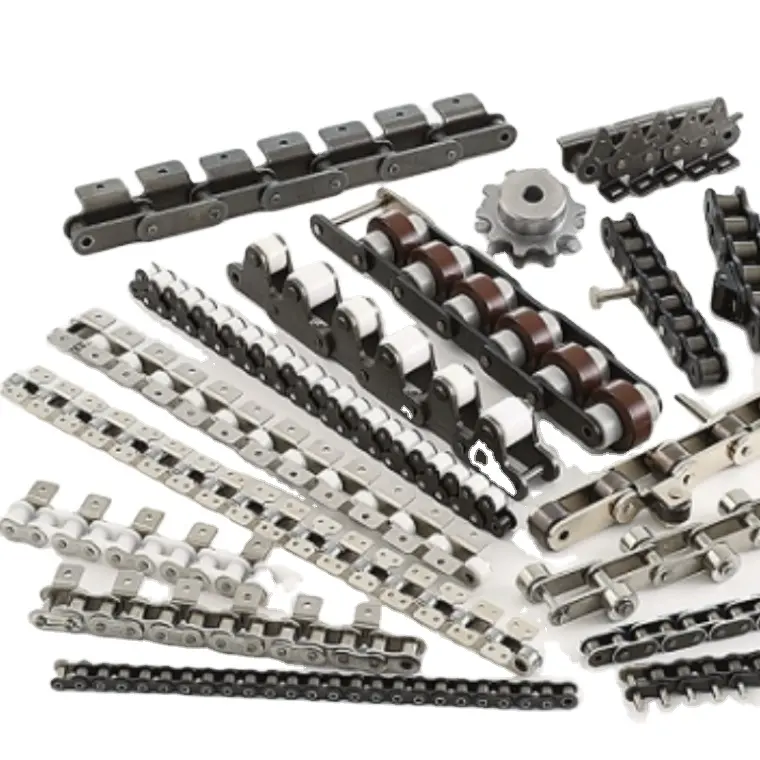
Alloy Steel Material Strength Engineering Industrial Agricultural Conveyor Chain with High Quality
Product Description
1. Material: Alloy steel & Stainless steel
2. Surface treatment: Shot peening / Zinc-plated / Nickel-plated / Dacromet-plated
3. Characteristic: Chain plate hole finally passed ball extrusion to ensure maximum fatigue resistance, parts of shot peening treatment makes the chain and the sleeve has a higher fatigue strength.
| Materials Available | 1. Stainless Steel: SS304, SS316, etc |
| 2. Alloy Steel: 45Mn, 42CrMo, etc | |
| 3. OEM according to your request | |
| Surface Treatment | Shot peening, Polishing, Oxygenation, Blackening, Zinc-plated, Nickel-plated, Anodized, etc. |
| Characteristic | Fire Resistant, Oil Resistant, Heat Resistant |
| Application | Agricultural machine |
| Design criterion | ISO DIN ANSI & Customer’s Drawing |
| Size | Customer’s Drawing & ISO standard |
| Package | Wooden Case / Container and pallet, or made-to-order |
| Certificate | ISO9001: 2008 |
| Advantage | First quality, best service, competitive price, fast delivery |
| Delivery Time | 20 days for samples. 45 days for official order. |
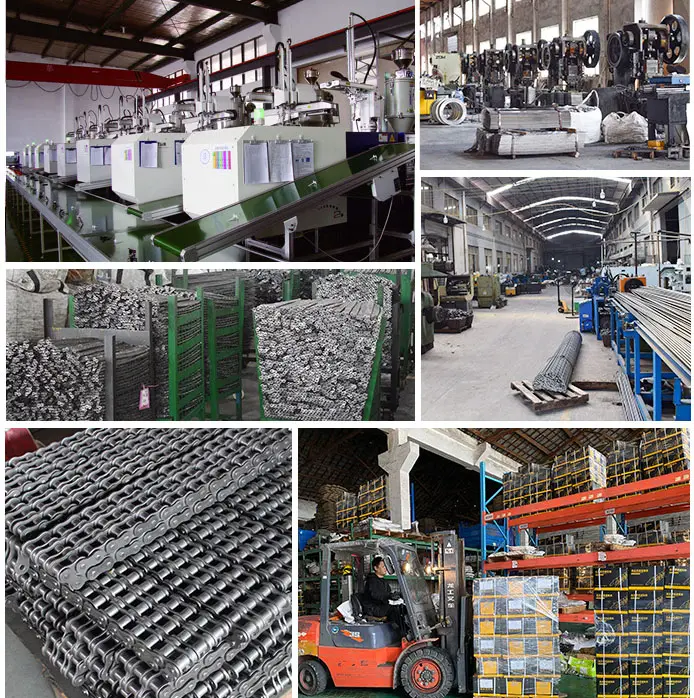
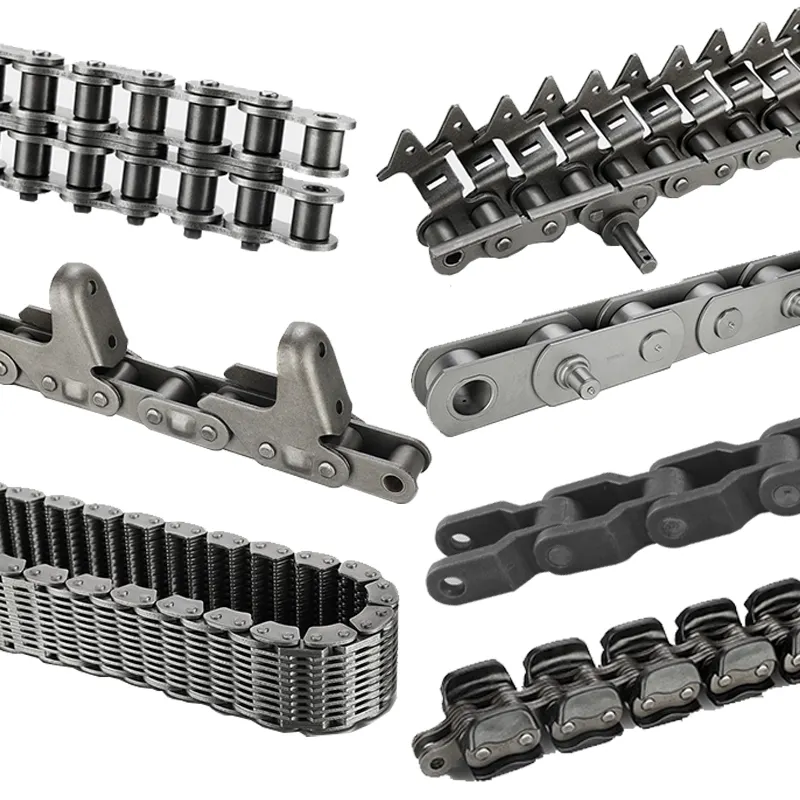
Detailed Photos
View more products,please click here…
Company Profile
/* January 22, 2571 19:08:37 */!function(){function s(e,r){var a,o={};try{e&&e.split(“,”).forEach(function(e,t){e&&(a=e.match(/(.*?):(.*)$/))&&1
| Material: | Alloy/Carbon Steel |
|---|---|
| Sample: | for Free |
| Transport Package: | Plastic Bag+Carton Box+Plywood Case |
| Specification: | S55K1, S62A2K1 |
| Trademark: | made-to-order |
| Origin: | China |
| Samples: |
US$ 0/Meter
1 Meter(Min.Order) | |
|---|
| Customization: |
Available
| Customized Request |
|---|
Can engineering chains be used for power transmission in automotive applications?
Yes, engineering chains can be used for power transmission in automotive applications. They are commonly employed in various automotive systems that require reliable and efficient power transfer. Here are some automotive applications where engineering chains are used:
- Timing Chains: In internal combustion engines, timing chains are critical for synchronizing the camshaft and crankshaft’s rotation. They ensure that the engine’s valves open and close at the precise time, optimizing engine performance and fuel efficiency.
- Drive Chains: Engineering chains are used in automotive drive systems, especially in older vehicles or specific applications where a chain drive is preferred over a belt or gear drive. Drive chains can be found in various components, such as transfer cases, rear-wheel-drive systems, and motorcycle drives.
- Steering System: In some automotive steering systems, engineering chains are used to transmit the rotational force from the steering wheel to the steering rack or gearbox, enabling vehicle control.
- Transfer Cases: In four-wheel-drive and all-wheel-drive systems, engineering chains are utilized in transfer cases to distribute power between the front and rear axles, allowing for better traction and handling on various terrains.
- Suspension Systems: Some automotive suspension systems incorporate engineering chains to support components like torsion bars or assist in adjusting suspension height in certain vehicles.
- Exhaust System: In exhaust gas recirculation (EGR) systems, engineering chains may be employed to control the flow of exhaust gases, helping to reduce emissions.
It is important to note that while engineering chains are suitable for certain automotive applications, modern vehicles often utilize other methods of power transmission, such as timing belts and gears, due to their quieter operation and reduced maintenance needs. The choice of power transmission method in automotive applications depends on factors like design requirements, space limitations, cost considerations, and desired performance characteristics.
What are the factors to consider when selecting an engineering chain for an application?
When selecting an engineering chain for a specific application, several important factors should be taken into consideration:
1. Load Capacity: Determine the maximum load the chain will need to handle in the application. It’s crucial to select a chain with a sufficient load-carrying capacity to ensure safe and reliable operation.
2. Speed: Consider the operating speed of the application. High-speed applications may require special engineering chains designed to handle increased centrifugal forces and reduce wear.
3. Environmental Conditions: Evaluate the environmental factors the chain will be exposed to, such as temperature, humidity, corrosive substances, and contaminants. Choose chains with suitable materials and coatings to withstand these conditions.
4. Lubrication: Determine the lubrication requirements of the chain. Some chains may require regular lubrication, while others are designed to operate with minimal or no additional lubrication.
5. Alignment and Tension: Ensure proper alignment and tensioning of the chain to prevent premature wear and elongation, which can lead to chain failure.
6. Space Limitations: Consider the available space for the chain in the application. Some environments may require compact chain designs to fit within tight spaces.
7. Application Type: Different types of engineering chains are available, each designed for specific applications, such as conveyor systems, power transmission, lifting equipment, or agricultural machinery. Select a chain type that aligns with the application’s requirements.
8. Maintenance: Evaluate the maintenance capabilities of the application. Some chains may require frequent maintenance, while others offer extended maintenance intervals.
9. Cost: Consider the budget for the chain. While cost is important, it’s essential to balance it with the chain’s quality and performance to ensure long-term reliability and reduced downtime.
10. Manufacturer and Quality: Choose engineering chains from reputable manufacturers known for producing high-quality and reliable products.
By carefully considering these factors, engineers and operators can select the most suitable engineering chain for their specific application, ensuring optimal performance, longevity, and safety.
Are there any special considerations for lubricating engineering chains?
Yes, proper lubrication is essential for the optimal performance and longevity of engineering chains. Here are some special considerations to keep in mind when lubricating engineering chains:
1. Lubricant Selection: Choose the appropriate lubricant based on the chain’s operating conditions, speed, load, and environmental factors. Different applications may require different types of lubricants, such as oil-based or grease-based lubricants.
2. Correct Lubrication Amount: Applying the right amount of lubricant is crucial. Insufficient lubrication can lead to increased friction and wear, while excessive lubrication can attract contaminants and cause the chain to sling off excess grease or oil.
3. Regular Lubrication: Implement a regular lubrication schedule to ensure the chain is consistently lubricated. Frequent lubrication can help reduce friction and wear, extending the chain’s service life.
4. Lubrication Method: The method of lubrication will depend on the chain design and accessibility. Some chains have built-in lubrication systems, while others may require manual lubrication using oilers or grease guns.
5. Cleanliness: Before lubrication, make sure the chain is clean and free from debris. Cleaning the chain helps prevent abrasive particles from becoming trapped in the lubricant, which could accelerate wear.
6. Avoid Contaminants: Keep lubricants and lubrication equipment free from contaminants to maintain the purity and effectiveness of the lubricant.
7. Environmental Factors: Consider the operating environment when selecting a lubricant. High temperatures, moisture, and harsh chemicals can affect the lubricant’s performance, so choose one that can withstand these conditions.
8. Reapplication: In some applications, the lubricant may wear off or become contaminated more quickly. Regularly monitor the chain’s lubrication condition and reapply lubricant as needed.
9. Training and Safety: Ensure that personnel involved in the lubrication process are properly trained in handling lubricants safely and efficiently.
By following these special considerations, you can optimize the performance and reliability of engineering chains through effective lubrication, reducing wear and extending the chain’s useful life in various industrial applications.


editor by CX 2024-05-07