
Product Description
Our Cable Drag chain is made of the best nylon. We are a manufacturer specializing in the production of machinery and equipment for 18 years, is a joint venture between China and Germany, all the company’s products have passed the IS90001:2015 quality certification system certification, with 1 AMADA bending machine, 1 TAILIFT fast bending machine, 2 TAILIFT shearing machine, 1 German fast cutting machine, 1 Haitian injection molding machine, and other equipment more than 30 sets, Specializing in the production of various machinery and equipment, to become a large supplier at home and abroad. At your service
Product details.The material we used was really nice.
We’re so close. Let’s place the order
Product selection reference diagram
Our products have been shown to work very well on these machines
Our products have won the unanimous praise at home and abroad, you can rest
assured to place an order .
| Shipping Cost: Estimated freight per unit. | To be negotiated |
|---|
| After-sales Service: | Online |
|---|---|
| Warranty: | 1yaer |
| Logo Printing: | Without Logo Printing |
| Samples: | US$ 5/Piece 1 Piece(Min.Order) | Order Sample |
|---|
| Customization: | Available | Customized Request |
|---|
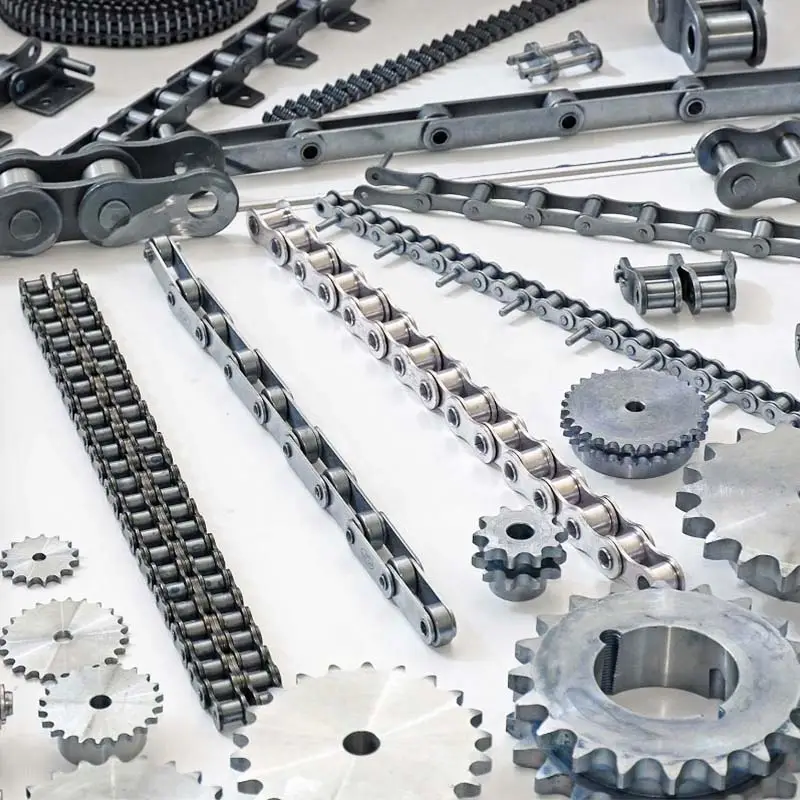
What are the signs of wear and when should an engineering chain be replaced?
Identifying signs of wear in an engineering chain is crucial for maintaining the system’s reliability and preventing unexpected failures. Here are some common signs of wear in an engineering chain that indicate it may need replacement:
1. Elongation: Over time, chains can elongate due to wear on the pins and bushings. Measure the chain’s pitch (center-to-center distance between pins) and compare it to the original pitch. If the elongation exceeds the manufacturer’s recommended limit, it’s time to replace the chain.
2. Chain Stretch: Chain stretch occurs when the chain has excessive play or slack when engaged with the sprockets. This can result from elongation and may lead to a loss of accuracy in the system’s operation.
3. Increased Noise: Excessive wear can cause the chain to produce more noise during operation. If you notice a significant increase in chain noise, it may indicate wear or inadequate lubrication.
4. Chain Damage: Inspect the chain for signs of damage, such as bent or broken links, cracked plates, or damaged rollers. Damaged components compromise the chain’s integrity and can lead to failure.
5. Rust and Corrosion: Chains used in corrosive environments may show signs of rust and corrosion. Corroded components can weaken the chain and reduce its load-carrying capacity.
6. Frequent Maintenance and Repairs: If you find yourself frequently performing maintenance and repairs on the chain, it may be an indication that it is nearing the end of its service life.
7. Chain Misalignment: Excessive wear can cause the chain to misalign with the sprockets, leading to uneven wear patterns on the chain components.
8. Loss of Tension: In applications where tension is crucial for proper chain engagement, a loss of tension could indicate wear or elongation.
9. Reduced Performance: If the system’s performance, such as speed or accuracy, is noticeably reduced, it could be due to chain wear affecting the overall functionality.
10. Maintenance Records: Keep detailed records of the chain’s maintenance and service life. Regularly inspect the chain and refer to maintenance records to determine if it has reached its recommended replacement interval.
When you observe any of these signs of wear, it’s important to replace the engineering chain promptly. Continuing to use a worn or damaged chain can lead to unexpected failures, production downtime, and potential damage to other system components. Regular inspections, proper lubrication, and timely replacement will ensure the reliability and longevity of the engineering chain in various industrial applications.
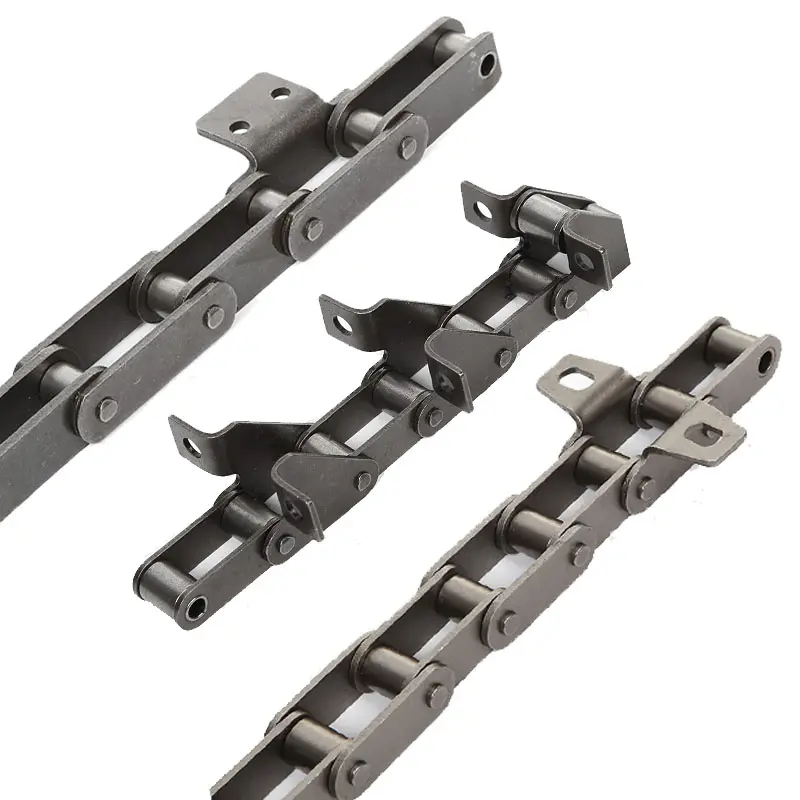
Can engineering chains be used for power transmission in conveyor systems?
Yes, engineering chains are commonly used for power transmission in conveyor systems. Conveyor systems are widely employed in various industries for material handling, and they require reliable and efficient power transmission methods to move heavy loads over long distances. Engineering chains are well-suited for these applications due to their robust construction, high load-carrying capacity, and versatility.
Conveyor systems often consist of a series of sprockets and a continuous loop of engineering chain that runs over these sprockets. The chain is driven by a motorized sprocket, and as it moves, it carries the conveyed material along the conveyor’s length. The design of engineering chains ensures smooth engagement with the sprockets, enabling efficient power transmission and precise material handling.
Depending on the specific requirements of the conveyor system, various types of engineering chains can be used. For instance, for applications where cleanliness is crucial, stainless steel chains with self-lubricating properties may be employed. In environments with high corrosion potential, corrosion-resistant coatings on chain components can extend the chain’s lifespan.
Furthermore, engineering chains can be customized to fit different conveyor configurations, allowing for the design of complex conveyor systems that suit specific production processes or spatial limitations.
In summary, engineering chains are an excellent choice for power transmission in conveyor systems due to their durability, load capacity, and adaptability. They ensure smooth and reliable operation, making them indispensable in material handling and conveyor applications across various industries.
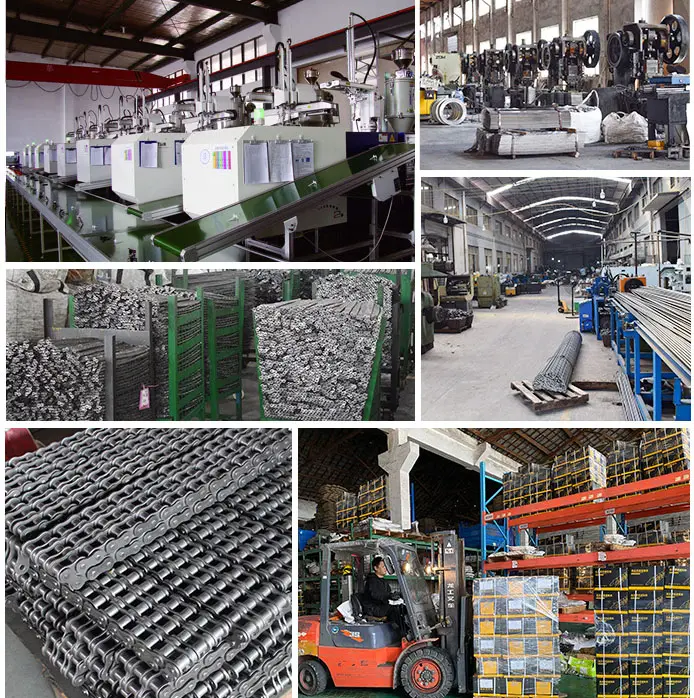
What are the maintenance requirements for engineering chains?
Maintaining engineering chains is essential to ensure their longevity, reliable performance, and safe operation in industrial applications. The following are key maintenance requirements for engineering chains:
1. Regular Inspection: Conduct routine visual inspections of the chain to check for signs of wear, corrosion, or damage. Look for elongation, bent or broken links, and worn sprocket engagement areas.
2. Lubrication: Proper and timely lubrication is crucial for reducing friction and wear between chain components. Lubricate the chain using a suitable lubricant as recommended by the manufacturer.
3. Tension Adjustment: Check and adjust the chain’s tension regularly to maintain the correct amount of slack. Proper tension ensures efficient power transmission and minimizes stress on the chain and sprockets.
4. Cleaning: Keep the chain clean and free from debris, dirt, and contaminants that may accelerate wear and corrosion. Use appropriate cleaning methods and solutions that do not damage the chain’s surface.
5. Replace Worn Components: Replace any worn or damaged components, such as chain links or sprockets, promptly to prevent further damage and potential chain failure.
6. Avoid Overloading: Do not subject the engineering chain to loads exceeding its capacity. Overloading can lead to premature wear and failure.
7. Environmental Considerations: Consider the environment in which the chain operates. In corrosive or harsh environments, choose chains with appropriate coatings or materials to resist corrosion.
8. Follow Manufacturer’s Recommendations: Adhere to the manufacturer’s maintenance guidelines and recommended service intervals specific to the engineering chain model and application.
9. Training and Safety: Ensure that personnel handling the chain are properly trained in maintenance procedures and safety protocols.
10. Record Keeping: Maintain detailed records of maintenance activities, inspections, and replacements to track the chain’s condition and performance over time.
By following these maintenance requirements, industrial operators can extend the life of engineering chains, prevent unplanned downtime, and ensure safe and efficient operation in their respective applications.


editor by CX 2023-08-05