
Product Description
Product Description
Product Parameters
| Standard | GB, ISO, ANSI, DIN |
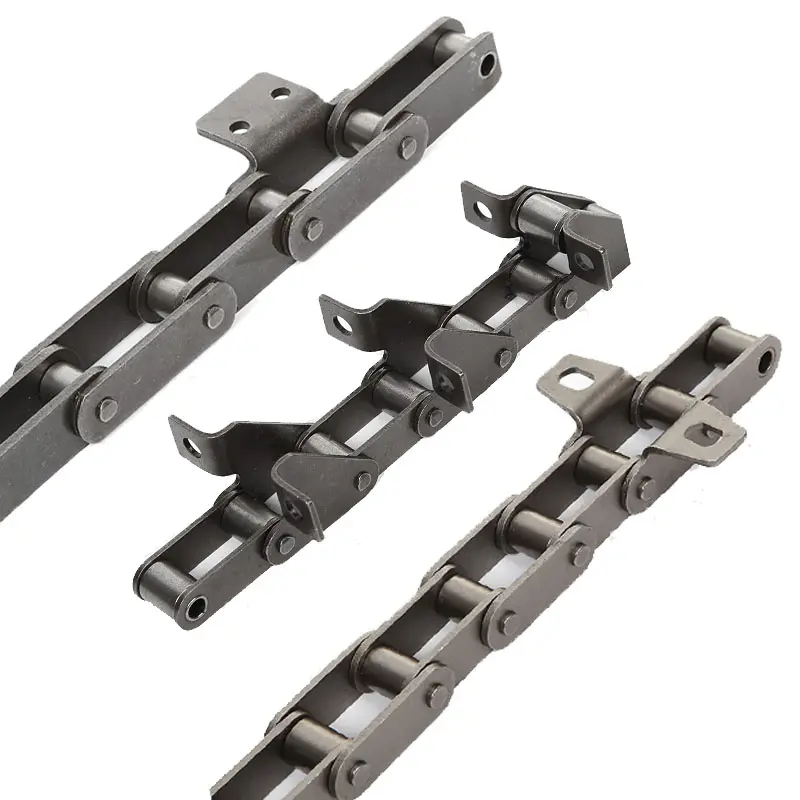
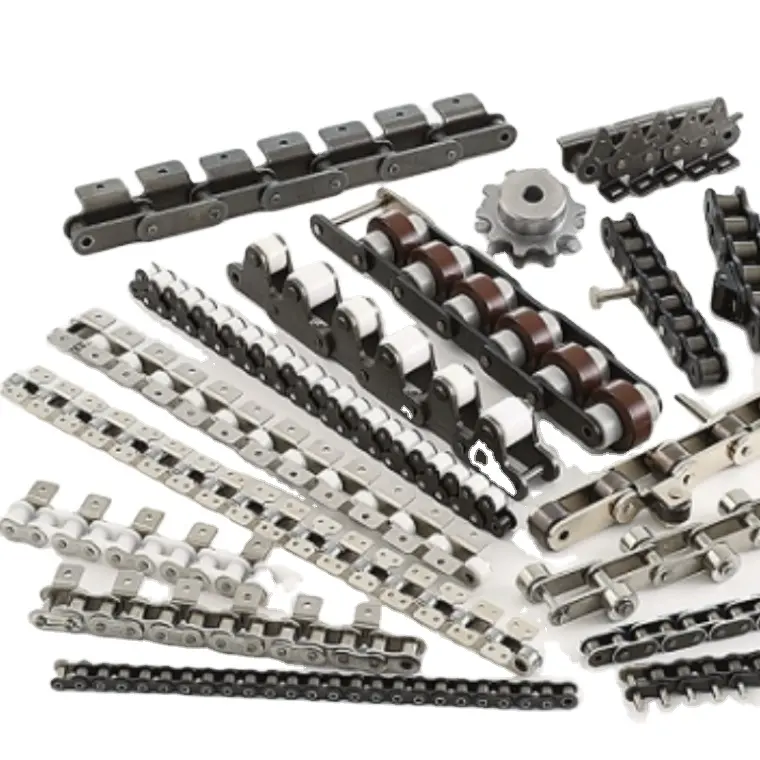
| Type | Standard A and standard B precision roller chain, conveyor chain; |
| special chain with accessories, welding chain, leaf chain and sprocket | |
| ANSI chain No. | 40,50,60,80,100,120,140,160,180,200,240; |
| C40,C50,C60,C80,C100,C120,C140,C160; | |
| DIN/ISO chain No. | 08A,10A,12A,16A,20A,24A,28A,32A,36A,40A,48A; |
| C08A,C10A,C12A,C16A,C20A,C24A,C28A,C32A; | |
| Application | Food processing, pharmaceutical and chemical industries, electronics, machinery; |
| household appliances, automotive manufacturing, metallurgy, sewage treatment | |
| Series | A series,B series |
More Products
Advantage
Certifications
DETAILS ABOUT CHINAMFG CHAIN
Exhibition
Workshop
Application
Packaging Details
Shipping
Contact Information
FAQ
1. Are you manufacturer or trade Company?
We are a factory founded in 1997 with trade team for international service.
2. What terms of payment you usually use?
T/T 30% deposit and 70% against document, Western Union, L/C at sight
3. What is your lead time for your goods?
Normally 35 days after confirmed order. 30 days could be available in low season for some items (during May to July), and 45 days during new year and hot season ( Jan to March).
4. Samples
For customers who need sample confirmation before ordering, please bear in mind that the following policy will be adopted:
1) All samples are free of charge with the maximum value not exceeding USD 100.
2) The courier cost for the first-time sample sending will be charged for by the consignee. We will send the samples with freight to be collected. So please inform your account with FedEx, UPS, DHL or TNT so that we can proceed promptly.
3) The first-time courier cost will be totally deducted from the contract value of the trial cooperation.
4) OEM/ODM are both available.
/* January 22, 2571 19:08:37 */!function(){function s(e,r){var a,o={};try{e&&e.split(“,”).forEach(function(e,t){e&&(a=e.match(/(.*?):(.*)$/))&&1
| Usage: | Transmission Chain, Drag Chain, Conveyor Chain, Dedicated Special Chain |
|---|---|
| Material: | Stainless steel |
| Surface Treatment: | Polishing |
| Feature: | Heat Resistant |
| Chain Size: | 1/2"*11/128" |
| Structure: | Roller Chain |
| Samples: |
US$ 1/Meter
1 Meter(Min.Order) | |
|---|
| Customization: |
Available
| Customized Request |
|---|
Can engineering chains be used in agricultural machinery and equipment?
Yes, engineering chains are commonly used in various agricultural machinery and equipment applications. Their robust design and ability to handle heavy loads make them well-suited for the demanding and often harsh conditions in the agricultural industry. Here are some examples of how engineering chains are used in agriculture:
- Combine Harvesters: Engineering chains are utilized in combine harvesters to drive components like the cutter head, reel, and auger. These chains are essential for efficient harvesting and grain collection.
- Tractors: In tractors, engineering chains are employed in power take-off (PTO) systems to transfer power from the engine to different agricultural implements, such as plows, mowers, and tillers.
- Balers: Engineering chains are used in balers to compress and bind crops into bales, facilitating easy storage and transport.
- Seeders and Planters: These machines use engineering chains to distribute seeds or plants evenly in the field, ensuring proper crop spacing and optimal growth.
- Grain Handling Equipment: Engineering chains are integral in grain handling equipment, including bucket elevators, grain conveyors, and grain elevators, facilitating the efficient movement and storage of harvested crops.
The agricultural environment can be challenging, with factors such as dust, debris, and varying weather conditions. Engineering chains used in agricultural machinery are often designed with additional protection against contaminants and corrosion to ensure reliable performance over extended periods.
When selecting engineering chains for agricultural applications, it’s essential to consider factors like load capacity, environmental conditions, maintenance requirements, and the specific needs of each machine. Regular inspection and proper lubrication are crucial to maintain the chains’ performance and extend their service life in agricultural machinery.
How do engineering chains handle reverse motion or anti-reverse requirements?
Engineering chains are designed to handle reverse motion or anti-reverse requirements in certain applications. This capability is essential in situations where the load or the machinery needs to move back and forth. Here’s how engineering chains achieve this:
1. Tooth Shape: Many engineering chains, such as roller chains or silent chains, feature a specific tooth shape on the sprockets. The tooth profile is designed to engage the chain rollers or links in one direction, allowing smooth motion, while preventing engagement in the reverse direction, effectively acting as an anti-reverse mechanism.
2. One-Way Clutches: Some engineering chain applications may incorporate one-way clutches or overrunning clutches. These devices allow the chain and sprockets to engage and transmit power in one direction, while freewheeling or disengaging in the opposite direction, preventing reverse motion.
3. Ratcheting Mechanisms: In certain engineering chain systems, ratcheting mechanisms are employed to allow forward motion and prevent backward movement. These mechanisms consist of pawls and teeth that engage in one direction and disengage in the reverse direction, effectively providing an anti-reverse function.
4. Backstop Clutches: Backstop clutches are used to prevent reverse motion in specific engineering chain applications. These clutches allow the chain to engage and transmit power in one direction, while locking and preventing motion in the reverse direction.
5. Tensioning Devices: Proper tensioning of the engineering chain can also play a role in preventing reverse motion. Adequate tension helps keep the chain engaged with the sprockets in the desired direction, reducing the risk of slipping or backdriving.
6. Design and Orientation: Engineers can design the system in a way that naturally discourages reverse motion. For example, the layout of the chain path and the arrangement of sprockets can make it less likely for the chain to move in the opposite direction.
By using these methods and incorporating suitable components, engineering chains can effectively handle reverse motion or anti-reverse requirements, ensuring the safe and reliable operation of machinery in applications where back-and-forth motion is necessary.
How do you select the right size and pitch for an engineering chain?
Choosing the correct size and pitch for an engineering chain is essential to ensure optimal performance, longevity, and safety in industrial applications. Here are the steps to guide you in selecting the right engineering chain size and pitch:
1. Identify the Application Requirements: Understand the specific requirements of the application where the engineering chain will be used. Consider factors such as the load to be carried, the speed of operation, the environmental conditions, and any special considerations like corrosion resistance or high-temperature requirements.
2. Determine the Chain Type: Engineering chains come in various types, such as roller chains, conveyor chains, drive chains, and specialty chains. Choose the chain type that best matches the intended application and the type of motion required.
3. Calculate the Chain Pitch: The chain pitch refers to the distance between each roller pin or attachment point on the chain. To calculate the chain pitch, measure the center-to-center distance of any three consecutive pins and divide it by two. Ensure that the calculated pitch matches the chain’s specified pitch.
4. Calculate the Chain Length: Determine the required length of the engineering chain by considering the distance between the sprockets and any additional slack or tension needed for smooth operation. Ensure that the selected chain length is appropriate for the application and fits well without being overly tight or loose.
5. Check Load Capacity and Strength: Refer to the manufacturer’s data or engineering chain catalog to determine the load capacity and strength of the selected chain. Ensure that the chain’s load capacity exceeds the maximum loads expected in the application to prevent premature wear or failure.
6. Consider the Environmental Factors: Take into account any environmental factors that may affect the performance of the engineering chain, such as temperature, moisture, chemicals, or abrasive materials. Choose a chain material that can withstand the specific environmental conditions to ensure longevity.
7. Consult with Manufacturers or Suppliers: If you are uncertain about selecting the right engineering chain, do not hesitate to consult with chain manufacturers or suppliers. They can provide valuable insights and recommendations based on their expertise and knowledge of various applications.
By following these steps and carefully evaluating the application’s requirements, you can select the appropriate size and pitch for an engineering chain, ensuring reliable and efficient operation in your specific industrial setting.


editor by CX 2024-04-04