
Product Description
Factory Price Engineering Industrial Best Agricultural Machinery Heavy Duty Stainless Steel Chain
Product Description
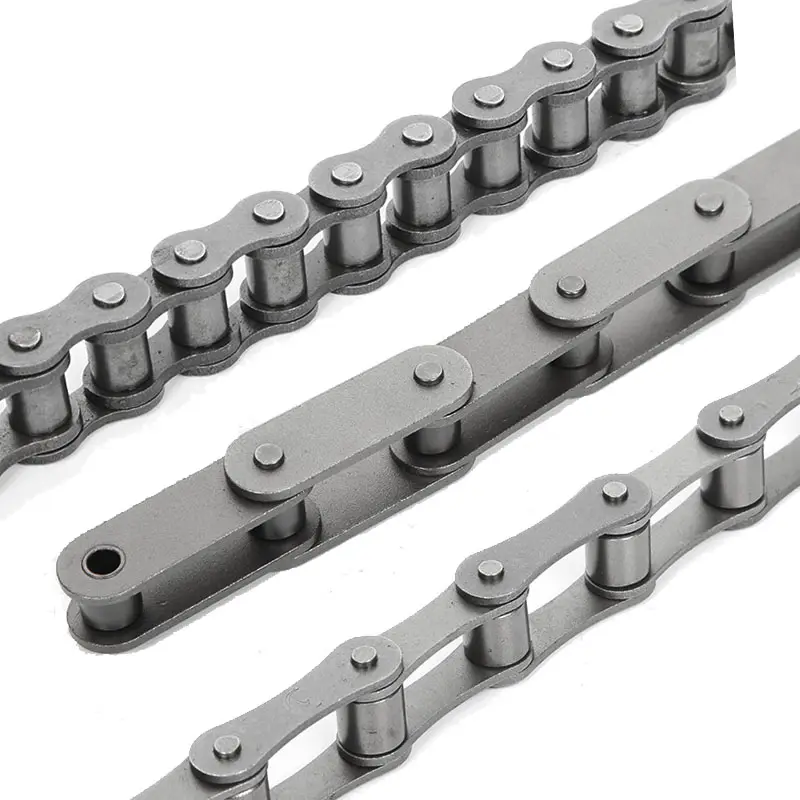
1. Material: Alloy steel & Stainless steel
2. Surface treatment: Shot peening / Zinc-plated / Nickel-plated / Dacromet-plated
3. Characteristic: Chain plate hole finally passed ball extrusion to ensure maximum fatigue resistance, parts of shot peening treatment makes the chain and the sleeve has a higher fatigue strength.
| Materials Available | 1. Stainless Steel: SS304, SS316, etc |
| 2. Alloy Steel: 45Mn, 42CrMo, etc | |
| 3. OEM according to your request | |
| Surface Treatment | Shot peening, Polishing, Oxygenation, Blackening, Zinc-plated, Nickel-plated, Anodized, etc. |
| Characteristic | Fire Resistant, Oil Resistant, Heat Resistant |
| Application | Agricultural machine |
| Design criterion | ISO DIN ANSI & Customer’s Drawing |
| Size | Customer’s Drawing & ISO standard |
| Package | Wooden Case / Container and pallet, or made-to-order |
| Certificate | ISO9001: 2008 |
| Advantage | First quality, best service, competitive price, fast delivery |
| Delivery Time | 20 days for samples. 45 days for official order. |
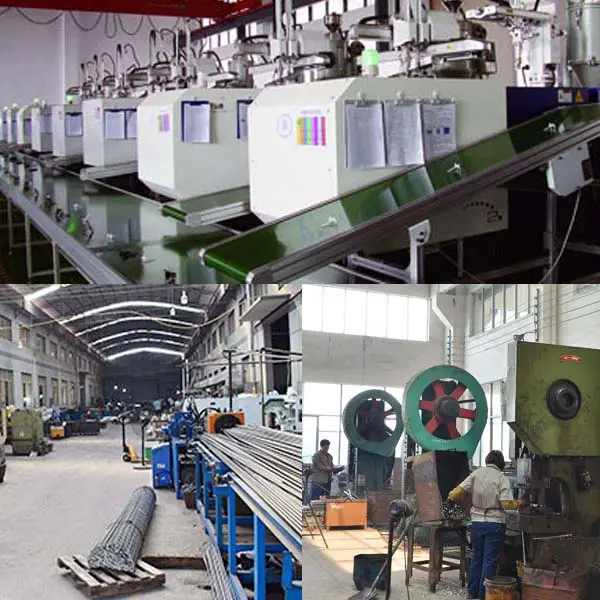
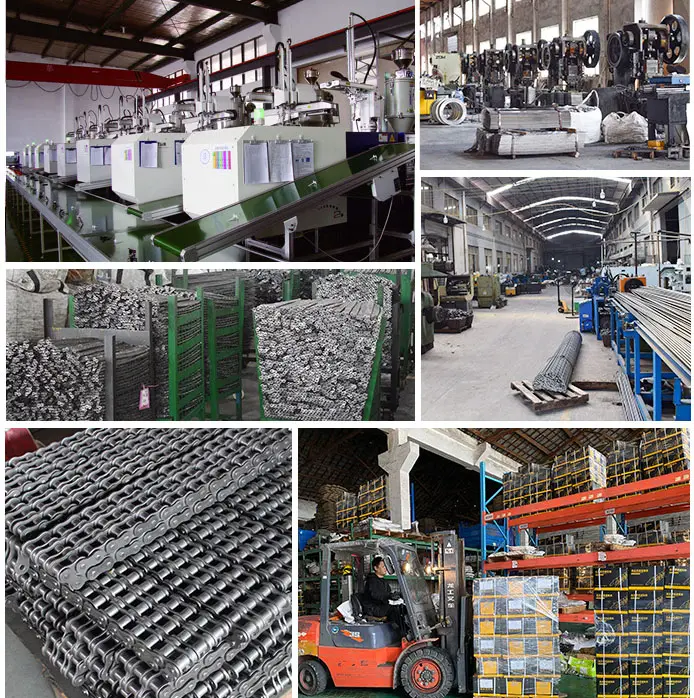
Detailed Photos
View more products,please click here…
Company Profile
| Material: | Alloy/Carbon Steel |
|---|---|
| Sample: | for Free |
| Transport Package: | Plastic Bag+Carton Box+Plywood Case |
| Specification: | S55K1, S62A2K1 |
| Trademark: | made-to-order |
| Origin: | China |
| Samples: |
US$ 0/Meter
1 Meter(Min.Order) | |
|---|
| Customization: |
Available
| Customized Request |
|---|
Can engineering chains be used in overhead or inverted applications?
Yes, engineering chains can be used in both overhead and inverted applications, provided they are properly selected and installed. These types of applications are common in various industries, including material handling, automotive, and food processing. Engineering chains are versatile and well-suited for such applications due to their robust construction, flexibility, and ability to handle heavy loads.
Overhead applications involve suspending the chain from overhead beams or structures, while inverted applications require the chain to run on the underside of the conveyor or equipment. Some factors to consider when using engineering chains in these applications include:
- Corrosion Resistance: For overhead applications in outdoor environments or areas with exposure to moisture, it is essential to use engineering chains made from corrosion-resistant materials, such as stainless steel, to prevent rust and ensure longevity.
- Lubrication: Proper and regular lubrication is crucial for chains in both overhead and inverted applications to reduce friction, wear, and noise levels. Lubrication also helps protect the chain from contaminants and moisture.
- Load Capacity: Ensure that the engineering chain selected has a sufficient load capacity to handle the weight of the conveyed materials or equipment in the application.
- Installation: Proper installation is critical for the smooth operation of the chain in overhead and inverted applications. Correct tensioning and alignment will help prevent premature wear and improve overall performance.
- Chain Speed: Consider the speed at which the chain will be running in the application, as higher speeds may require additional considerations in terms of lubrication and wear.
By taking these factors into account and following the manufacturer’s guidelines for installation, lubrication, and maintenance, engineering chains can be used effectively in overhead and inverted applications. They offer reliable and efficient power transmission and material handling solutions, making them valuable components in a wide range of industrial processes and systems.
What are the factors to consider when selecting an engineering chain for an application?
When selecting an engineering chain for a specific application, several important factors should be taken into consideration:
1. Load Capacity: Determine the maximum load the chain will need to handle in the application. It’s crucial to select a chain with a sufficient load-carrying capacity to ensure safe and reliable operation.
2. Speed: Consider the operating speed of the application. High-speed applications may require special engineering chains designed to handle increased centrifugal forces and reduce wear.
3. Environmental Conditions: Evaluate the environmental factors the chain will be exposed to, such as temperature, humidity, corrosive substances, and contaminants. Choose chains with suitable materials and coatings to withstand these conditions.
4. Lubrication: Determine the lubrication requirements of the chain. Some chains may require regular lubrication, while others are designed to operate with minimal or no additional lubrication.
5. Alignment and Tension: Ensure proper alignment and tensioning of the chain to prevent premature wear and elongation, which can lead to chain failure.
6. Space Limitations: Consider the available space for the chain in the application. Some environments may require compact chain designs to fit within tight spaces.
7. Application Type: Different types of engineering chains are available, each designed for specific applications, such as conveyor systems, power transmission, lifting equipment, or agricultural machinery. Select a chain type that aligns with the application’s requirements.
8. Maintenance: Evaluate the maintenance capabilities of the application. Some chains may require frequent maintenance, while others offer extended maintenance intervals.
9. Cost: Consider the budget for the chain. While cost is important, it’s essential to balance it with the chain’s quality and performance to ensure long-term reliability and reduced downtime.
10. Manufacturer and Quality: Choose engineering chains from reputable manufacturers known for producing high-quality and reliable products.
By carefully considering these factors, engineers and operators can select the most suitable engineering chain for their specific application, ensuring optimal performance, longevity, and safety.
Can engineering chains be used in high-speed applications?
Yes, engineering chains can be used in high-speed applications, but their suitability depends on various factors. While some engineering chains are designed to handle high-speed operation, others may not be suitable for such applications. Here are some considerations:
1. Chain Type: Different types of engineering chains have varying capabilities when it comes to high-speed operation. For example, roller chains are commonly used in industrial applications and can handle moderate to high speeds efficiently. On the other hand, conveyor chains or specialty chains may have limitations on speed due to their design and intended use.
2. Manufacturer Specifications: Check the manufacturer’s specifications and recommendations for the engineering chain you plan to use. Manufacturers often provide maximum allowable speeds for their chains based on factors such as chain size, material, and construction.
3. Lubrication and Maintenance: Proper lubrication and maintenance are critical for high-speed applications. Adequate lubrication reduces friction and wear, allowing the chain to operate smoothly at higher speeds. Regular maintenance ensures that the chain remains in good condition and minimizes the risk of unexpected failures.
4. Load and Tension: High-speed applications can place additional loads and tension on the engineering chain. It is essential to ensure that the chain can handle the increased loads and tension without stretching excessively or experiencing premature wear.
5. Environmental Conditions: Consider the environmental factors that may affect the chain’s performance at high speeds. Temperature, humidity, and the presence of contaminants can impact the chain’s wear and durability.
6. Safety Considerations: High-speed applications require careful consideration of safety measures. Ensure that all safety guidelines and regulations are followed to prevent accidents or injuries resulting from chain failure.
In summary, engineering chains can be used in high-speed applications, but it is essential to select the appropriate chain type and ensure proper maintenance and lubrication. Consulting with chain manufacturers or experts can help you determine the most suitable engineering chain for your specific high-speed application, ensuring safe and reliable operation.


editor by CX 2023-08-15