
Product Description
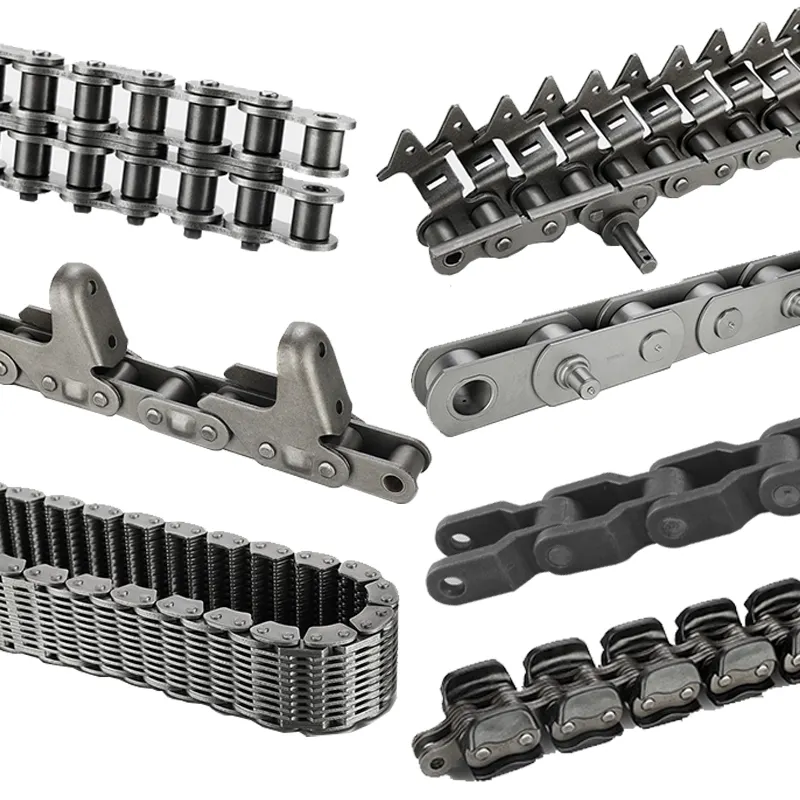
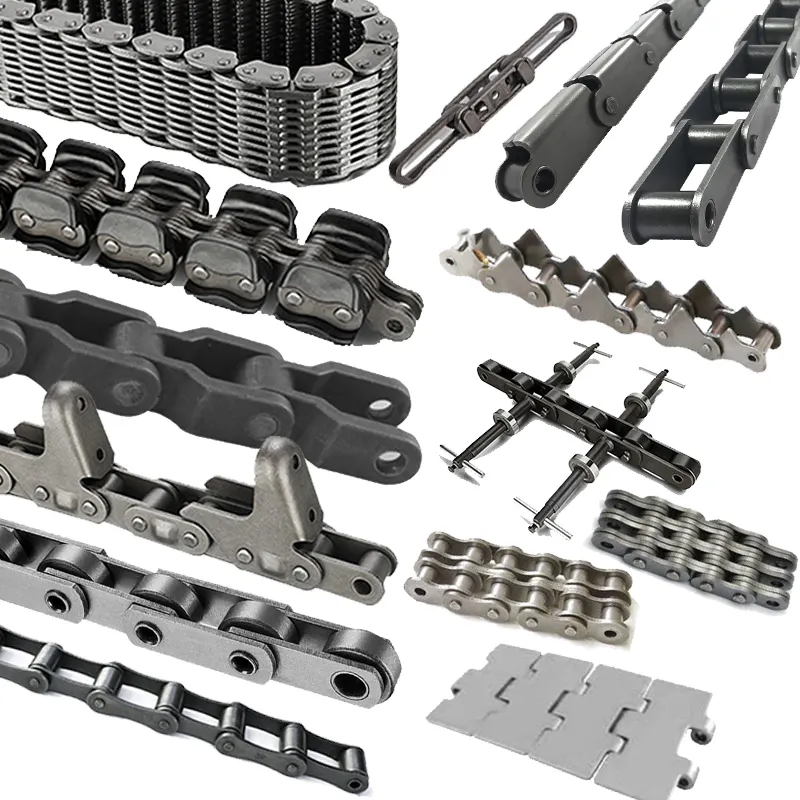
Alloy Steel Material Zinc-Plated Engineering Industrial Transmission Conveyor Roller Chain
Product Description
1. Material: Alloy steel & Stainless steel
2. Surface treatment: Shot peening / Zinc-plated / Nickel-plated / Dacromet-plated
3. Characteristic: Chain plate hole finally passed ball extrusion to ensure maximum fatigue resistance, parts of shot peening treatment makes the chain and the sleeve has a higher fatigue strength.
| Materials Available | 1. Stainless Steel: SS304, SS316, etc |
| 2. Alloy Steel: 45Mn, 42CrMo, etc | |
| 3. OEM according to your request | |
| Surface Treatment | Shot peening, Polishing, Oxygenation, Blackening, Zinc-plated, Nickel-plated, Anodized, etc. |
| Characteristic | Fire Resistant, Oil Resistant, Heat Resistant |
| Application | Agricultural machine |
| Design criterion | ISO DIN ANSI & Customer’s Drawing |
| Size | Customer’s Drawing & ISO standard |
| Package | Wooden Case / Container and pallet, or made-to-order |
| Certificate | ISO9001: 2008 |
| Advantage | First quality, best service, competitive price, fast delivery |
| Delivery Time | 20 days for samples. 45 days for official order. |
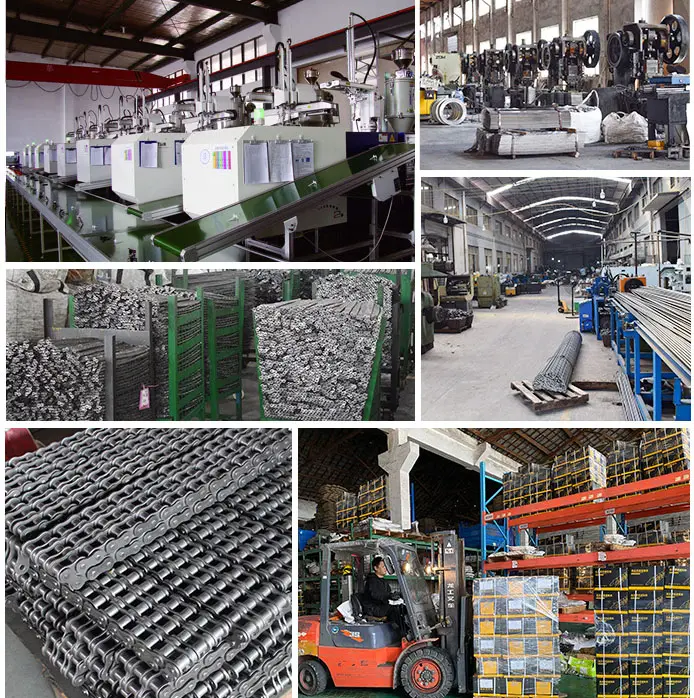
Detailed Photos
View more products,please click here…
Company Profile
/* March 10, 2571 17:59:20 */!function(){function s(e,r){var a,o={};try{e&&e.split(“,”).forEach(function(e,t){e&&(a=e.match(/(.*?):(.*)$/))&&1
| Material: | Alloy/Carbon Steel |
|---|---|
| Sample: | for Free |
| Transport Package: | Plastic Bag+Carton Box+Plywood Case |
| Specification: | S55K1, S62A2K1 |
| Trademark: | made-to-order |
| Origin: | China |
| Samples: |
US$ 0/Meter
1 Meter(Min.Order) | |
|---|
| Customization: |
Available
| Customized Request |
|---|
Can engineering chains be used in high-temperature environments?
Yes, engineering chains can be used in high-temperature environments, but their performance depends on the type of material they are made of and the specific temperature conditions they are exposed to. Here are some considerations for using engineering chains in high-temperature environments:
- Material Selection: Chains made from heat-resistant materials, such as stainless steel or special alloy steels, are suitable for high-temperature applications. These materials offer increased resistance to heat, oxidation, and corrosion.
- Lubrication: Proper lubrication is critical when using engineering chains in high-temperature environments. High-temperature lubricants that can withstand the specific temperature range are essential to reduce friction and wear between the chain’s components.
- Heat Dissipation: In high-temperature environments, the heat generated by the chain’s operation needs to be dissipated effectively to prevent excessive temperature rise. Adequate ventilation or cooling mechanisms may be required to maintain the chain within a safe operating temperature range.
- Chain Design: Chains intended for high-temperature use may have specific design features that enhance their heat resistance and performance. These design modifications can include heat-resistant coatings, special alloys, or heat-treated components.
- Operating Conditions: The operating conditions, such as the temperature range and the duration of exposure to high temperatures, should be carefully evaluated to ensure the chain’s material and lubrication are suitable for the specific application.
- Inspections and Maintenance: Regular inspections and maintenance are crucial to monitor the chain’s condition and performance in high-temperature environments. Any signs of wear, elongation, or damage should be addressed promptly to prevent potential failures.
When properly selected, lubricated, and maintained, engineering chains made from heat-resistant materials can reliably operate in high-temperature environments. It’s essential to consult with chain manufacturers or experts to determine the most suitable chain type and material for a specific high-temperature application.
How do engineering chains handle product accumulation and spacing in conveyor systems?
In conveyor systems, product accumulation and spacing are essential considerations to ensure smooth and efficient material handling. Engineering chains play a crucial role in managing product flow and maintaining proper spacing between items. Here’s how they handle these tasks:
1. Accumulation: Engineering chains can be designed with special attachments that allow for product accumulation. These attachments create zones on the conveyor where products can accumulate without interrupting the overall conveyor operation. The accumulation zones are usually equipped with sensors or photo eyes to detect product presence and control the chain’s movement, preventing collisions and jams.
2. Spacing: To achieve proper spacing between products on the conveyor, engineering chains may be equipped with specially designed attachments or guides. These guides ensure that each item is evenly spaced from the one in front of it, preventing product collisions and maintaining a consistent flow. The spacing between products can be adjusted by modifying the length of the conveyor or changing the attachment configuration on the chain.
3. Timing and Synchronization: In automated conveyor systems, engineering chains are often used to synchronize the movement of products. Through precise control and positioning, the chain ensures that items are released at the correct intervals, maintaining the desired spacing and preventing congestion.
4. Low Back Pressure: Engineering chains can be designed with low back pressure accumulation, which allows products to accumulate while maintaining gentle contact with each other. This reduces the risk of damage to delicate or sensitive items and improves overall product handling.
5. Diverter and Merge Solutions: Engineering chains can incorporate diverters and merge units to redirect products to different conveyor lines while maintaining proper spacing. These units efficiently manage product flow and distribution in complex conveyor systems.
6. Customization: Manufacturers can customize engineering chains to suit specific product sizes, weights, and handling requirements. This ensures optimal performance and reduces the risk of jams or disruptions in the conveyor system.
Overall, engineering chains are integral components in conveyor systems, enabling effective product accumulation and spacing. Their precise control, customizability, and synchronization capabilities contribute to the smooth and efficient operation of material handling processes in various industries.
What are the maintenance requirements for engineering chains?
Maintaining engineering chains is essential to ensure their longevity, reliable performance, and safe operation in industrial applications. The following are key maintenance requirements for engineering chains:
1. Regular Inspection: Conduct routine visual inspections of the chain to check for signs of wear, corrosion, or damage. Look for elongation, bent or broken links, and worn sprocket engagement areas.
2. Lubrication: Proper and timely lubrication is crucial for reducing friction and wear between chain components. Lubricate the chain using a suitable lubricant as recommended by the manufacturer.
3. Tension Adjustment: Check and adjust the chain’s tension regularly to maintain the correct amount of slack. Proper tension ensures efficient power transmission and minimizes stress on the chain and sprockets.
4. Cleaning: Keep the chain clean and free from debris, dirt, and contaminants that may accelerate wear and corrosion. Use appropriate cleaning methods and solutions that do not damage the chain’s surface.
5. Replace Worn Components: Replace any worn or damaged components, such as chain links or sprockets, promptly to prevent further damage and potential chain failure.
6. Avoid Overloading: Do not subject the engineering chain to loads exceeding its capacity. Overloading can lead to premature wear and failure.
7. Environmental Considerations: Consider the environment in which the chain operates. In corrosive or harsh environments, choose chains with appropriate coatings or materials to resist corrosion.
8. Follow Manufacturer’s Recommendations: Adhere to the manufacturer’s maintenance guidelines and recommended service intervals specific to the engineering chain model and application.
9. Training and Safety: Ensure that personnel handling the chain are properly trained in maintenance procedures and safety protocols.
10. Record Keeping: Maintain detailed records of maintenance activities, inspections, and replacements to track the chain’s condition and performance over time.
By following these maintenance requirements, industrial operators can extend the life of engineering chains, prevent unplanned downtime, and ensure safe and efficient operation in their respective applications.


editor by CX 2024-01-05