
Product Description
Fire Resistant Steel Pallet Engineering Rubber Glove Conveyor Chains
1. Chain Material: Heat Treatment Alloy steel
2. Chain type: Single Form & Double Form
3. Advantage: a. Heat Treatment Plate
b. Bearing cover special design
c. The good quality high temprature grease (180 temprature)
d. Running chain have high stationarity.
e. Strict QC contral
4. Chain Surface Treatment: Shot peening
5. Chain Size: P100 & P90
6. Application: The chains are widely used in Malaysia & Thailand rubber glove factory.
| Item Name | Standard transmission Roller Chains | Model | Series A, Series B |
| Row | Simplex/Duplex/Triplex | Application | Machinery Parts |
| Surface Treatment | Self-color/sand-blasted/shot-peening | Certification | ISO, ANSI, DIN, BS |
| Packing | Packaged in boxes and wooden cases, or packaged in reels and then on pallets. | Port | Any sea port or airport in China |
Related products
| Usage: | Transmission Chain, Drag Chain, Conveyor Chain, Dedicated Special Chain |
|---|---|
| Material: | Stainless steel |
| Surface Treatment: | Oil Blooming |
| Feature: | Oil Resistant |
| Chain Size: | 1/2"*3/32" |
| Structure: | Roller Chain |
| Samples: | US$ 9999/Piece 1 Piece(Min.Order) | |
|---|
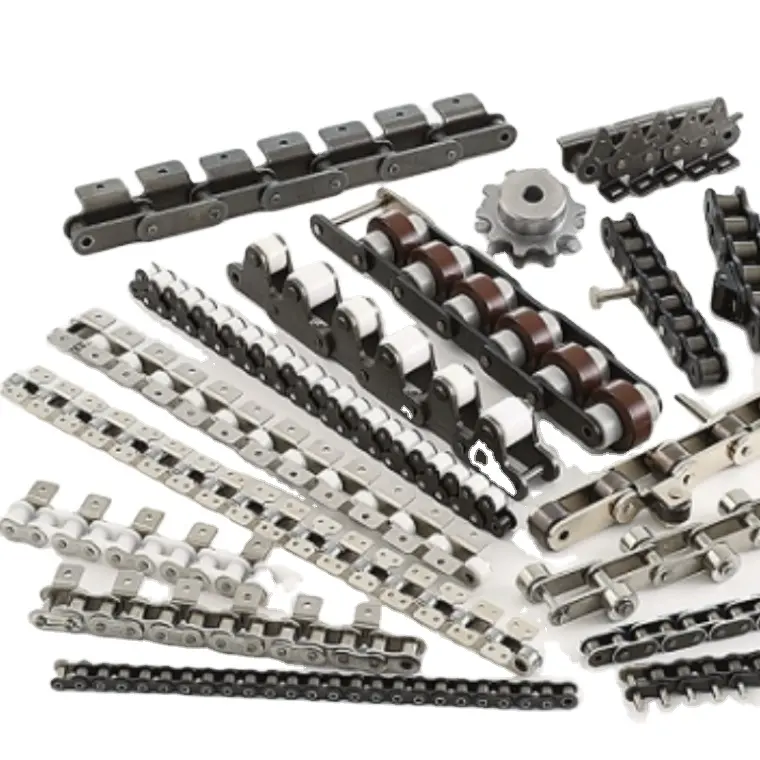
Can engineering chains be used for power transmission in automotive applications?
Yes, engineering chains can be used for power transmission in automotive applications. They are commonly employed in various automotive systems that require reliable and efficient power transfer. Here are some automotive applications where engineering chains are used:
- Timing Chains: In internal combustion engines, timing chains are critical for synchronizing the camshaft and crankshaft’s rotation. They ensure that the engine’s valves open and close at the precise time, optimizing engine performance and fuel efficiency.
- Drive Chains: Engineering chains are used in automotive drive systems, especially in older vehicles or specific applications where a chain drive is preferred over a belt or gear drive. Drive chains can be found in various components, such as transfer cases, rear-wheel-drive systems, and motorcycle drives.
- Steering System: In some automotive steering systems, engineering chains are used to transmit the rotational force from the steering wheel to the steering rack or gearbox, enabling vehicle control.
- Transfer Cases: In four-wheel-drive and all-wheel-drive systems, engineering chains are utilized in transfer cases to distribute power between the front and rear axles, allowing for better traction and handling on various terrains.
- Suspension Systems: Some automotive suspension systems incorporate engineering chains to support components like torsion bars or assist in adjusting suspension height in certain vehicles.
- Exhaust System: In exhaust gas recirculation (EGR) systems, engineering chains may be employed to control the flow of exhaust gases, helping to reduce emissions.
It is important to note that while engineering chains are suitable for certain automotive applications, modern vehicles often utilize other methods of power transmission, such as timing belts and gears, due to their quieter operation and reduced maintenance needs. The choice of power transmission method in automotive applications depends on factors like design requirements, space limitations, cost considerations, and desired performance characteristics.
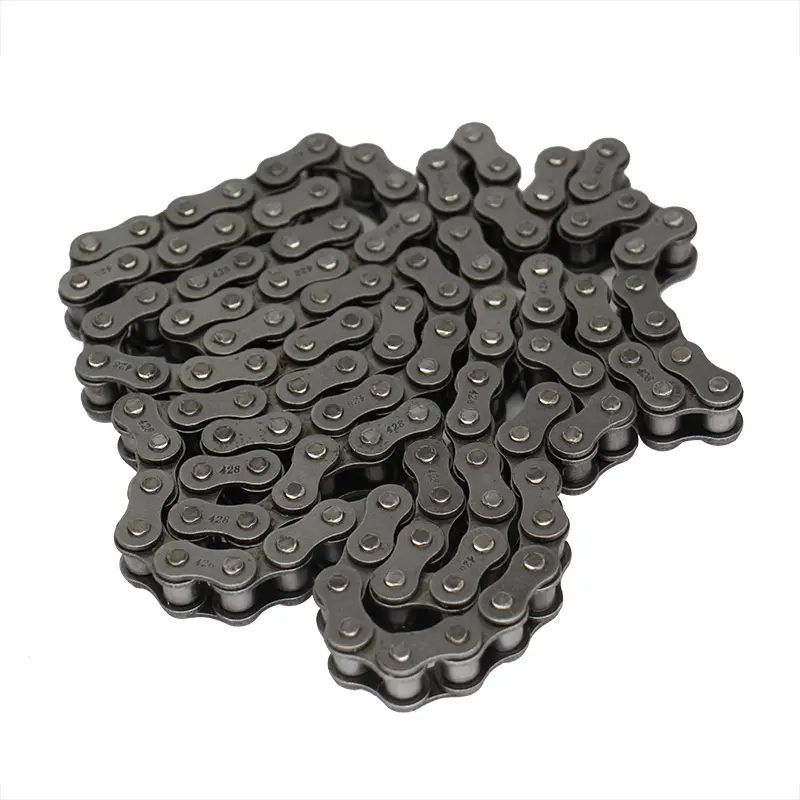
How do engineering chains perform in dusty or dirty environments?
In dusty or dirty environments, engineering chains face unique challenges due to the presence of contaminants that can affect their performance and longevity. However, many engineering chains are designed to handle such harsh conditions, and their performance can be enhanced with proper maintenance and considerations.
1. Sealing and Protection: Some engineering chains come with specialized seals or protective coatings to prevent dust, dirt, and other contaminants from entering the chain’s internal components. These seals help maintain the integrity of the lubrication and reduce the risk of abrasive particles causing wear.
2. Lubrication: Proper and regular lubrication is essential for engineering chains operating in dusty environments. Lubrication helps reduce friction and wear, flushing out contaminants that may have entered the chain. It’s crucial to use lubricants suitable for dusty conditions to prevent excessive buildup of dirt and debris.
3. Cleaning and Maintenance: Regular cleaning and maintenance are crucial to keep the chain functioning optimally in dirty environments. Removing accumulated dirt and debris helps prevent abrasive wear and elongation of the chain.
4. Material Selection: Choosing the right materials for the chain is vital for dusty environments. Chains with corrosion-resistant coatings or made from stainless steel can better withstand the abrasive nature of dust and dirt.
5. Chain Design: The design of the engineering chain can also influence its performance in dusty environments. Some chains have self-cleaning features or specific geometry that helps shed dirt and debris during operation.
6. Regular Inspection: Regular visual inspection of the chain can help identify signs of wear and contamination early on, allowing for timely maintenance or replacement.
7. Environmental Considerations: Understanding the specific conditions of the dusty environment is essential for selecting the most suitable engineering chain. Factors such as temperature, humidity, and the type of contaminants present should be taken into account.
8. Ingress Protection (IP) Rating: In certain industries, such as food processing or pharmaceuticals, engineering chains with specific IP ratings may be required to ensure compliance with hygiene and cleanliness standards.
In conclusion, engineering chains can perform well in dusty or dirty environments if properly selected, installed, and maintained. Regular cleaning, lubrication, and inspection are essential to ensure optimal performance and extend the chain’s service life in such challenging conditions.
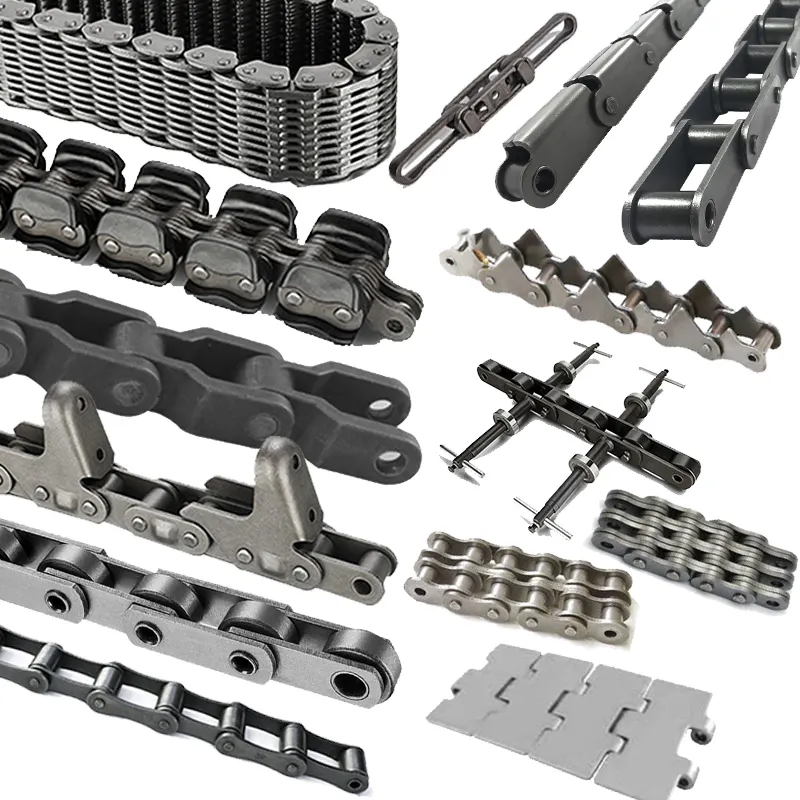
What materials are engineering chains typically made of?
Engineering chains are commonly made from a variety of durable and high-strength materials to ensure their performance and longevity in demanding industrial applications. The choice of material depends on factors such as the application’s requirements, environmental conditions, and the specific type of engineering chain. Some of the typical materials used for engineering chains include:
1. Carbon Steel: Carbon steel is a popular choice for engineering chains due to its excellent strength and affordability. It is suitable for many standard industrial applications where moderate strength and resistance to wear are required.
2. Alloy Steel: Alloy steel offers higher strength and better resistance to wear and fatigue compared to carbon steel. It is commonly used in heavy-duty and high-stress applications, such as mining equipment and construction machinery.
3. Stainless Steel: Stainless steel is chosen for its corrosion resistance properties, making it ideal for applications where the chain may be exposed to moisture, chemicals, or harsh environments. It is commonly used in food processing, pharmaceuticals, and outdoor applications.
4. Nickel-Plated Steel: Nickel-plated steel chains provide enhanced corrosion resistance while retaining the strength of carbon or alloy steel. They are often used in applications where both strength and corrosion resistance are important.
5. Plastic: In some cases, engineering chains may be constructed entirely from plastic or have plastic components. Plastic chains are commonly used in industries requiring low noise, lightweight, and corrosion resistance, such as the food and beverage industry and packaging applications.
6. Other Specialty Materials: Depending on the specific requirements of an application, engineering chains may also be made from other specialty materials like bronze, zinc-plated steel, or coated chains to meet particular needs.
The choice of material is crucial in determining the performance, longevity, and suitability of the engineering chain for a specific application. Manufacturers provide information on the material composition of their chains, allowing users to select the most appropriate material based on the intended use and operating conditions.


editor by CX 2023-08-11