
Product Description
Factory Price Engineering Industrial Best Agricultural Machinery Heavy Duty Stainless Steel Chain
Product Description
1. Material: Alloy steel & Stainless steel
2. Surface treatment: Shot peening / Zinc-plated / Nickel-plated / Dacromet-plated
3. Characteristic: Chain plate hole finally passed ball extrusion to ensure maximum fatigue resistance, parts of shot peening treatment makes the chain and the sleeve has a higher fatigue strength.
| Materials Available | 1. Stainless Steel: SS304, SS316, etc |
| 2. Alloy Steel: 45Mn, 42CrMo, etc | |
| 3. OEM according to your request | |
| Surface Treatment | Shot peening, Polishing, Oxygenation, Blackening, Zinc-plated, Nickel-plated, Anodized, etc. |
| Characteristic | Fire Resistant, Oil Resistant, Heat Resistant |
| Application | Agricultural machine |
| Design criterion | ISO DIN ANSI & Customer’s Drawing |
| Size | Customer’s Drawing & ISO standard |
| Package | Wooden Case / Container and pallet, or made-to-order |
| Certificate | ISO9001: 2008 |
| Advantage | First quality, best service, competitive price, fast delivery |
| Delivery Time | 20 days for samples. 45 days for official order. |
Detailed Photos
View more products,please click here…
Company Profile
| Material: | Alloy/Carbon Steel |
|---|---|
| Sample: | for Free |
| Transport Package: | Plastic Bag+Carton Box+Plywood Case |
| Specification: | S55K1, S62A2K1 |
| Trademark: | made-to-order |
| Origin: | China |
| Samples: |
US$ 0/Meter
1 Meter(Min.Order) | |
|---|
| Customization: |
Available
| Customized Request |
|---|
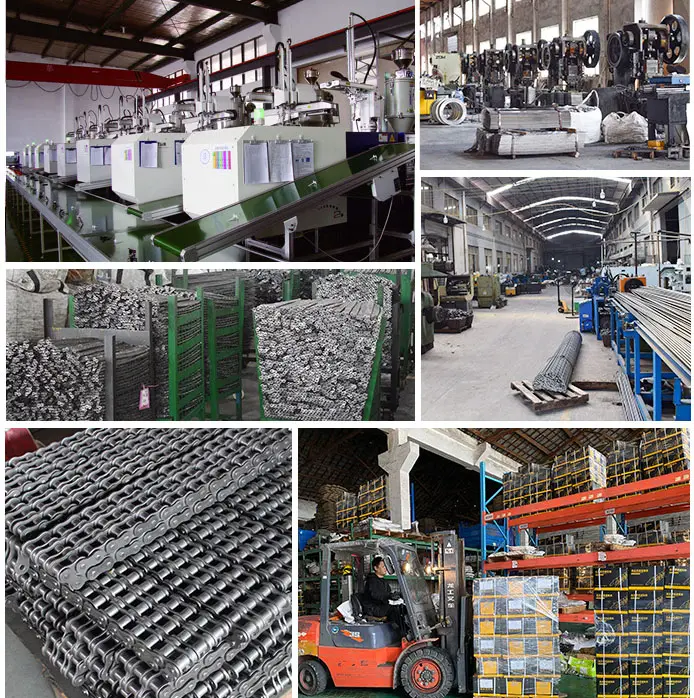
What are the limitations of using engineering chains in certain applications?
While engineering chains are versatile and widely used in various industries, they do have some limitations that should be considered when selecting them for specific applications:
- Speed Limitations: Engineering chains have a maximum recommended speed limit. High-speed applications may require specialized high-speed chains that are designed to reduce vibration and noise and maintain reliable performance at elevated speeds.
- Temperature Sensitivity: Extreme temperatures can affect the performance of engineering chains. In high-temperature environments, chains may experience accelerated wear and reduced strength. Similarly, in cryogenic conditions, the chain’s materials may become brittle and prone to breakage.
- Chemical Exposure: Exposure to corrosive chemicals or harsh environments can lead to chain degradation. Engineering chains used in such conditions should be made from materials that offer corrosion resistance or be appropriately coated to withstand chemical exposure.
- Shock Loads: While engineering chains can handle moderate shock loads and impact forces, excessive or sudden shock loads can cause chain failure. In applications with significant shock loads, additional measures such as shock-absorbing devices may be required.
- Maintenance Requirements: Engineering chains require regular maintenance, including proper lubrication and periodic inspection for wear and damage. Failure to maintain the chains can result in premature wear and unexpected failures.
- Alignment: Engineering chains may not perform optimally in applications with misaligned sprockets. Proper alignment is essential to ensure smooth operation and prevent excessive wear.
- Environmental Contaminants: Dust, dirt, and debris in certain environments, such as construction sites or agricultural fields, can accumulate on the chain and sprockets, leading to accelerated wear and reduced chain life.
- Load Capacity: While engineering chains have excellent load-carrying capabilities, applications with extremely high loads may require customized or heavy-duty chains to meet the specific requirements.
Understanding the limitations of engineering chains allows engineers and designers to make informed decisions when selecting the most suitable chain type for their applications. By considering factors like speed, temperature, chemical exposure, shock loads, and maintenance requirements, one can ensure the reliable and efficient performance of engineering chains in various industrial settings.
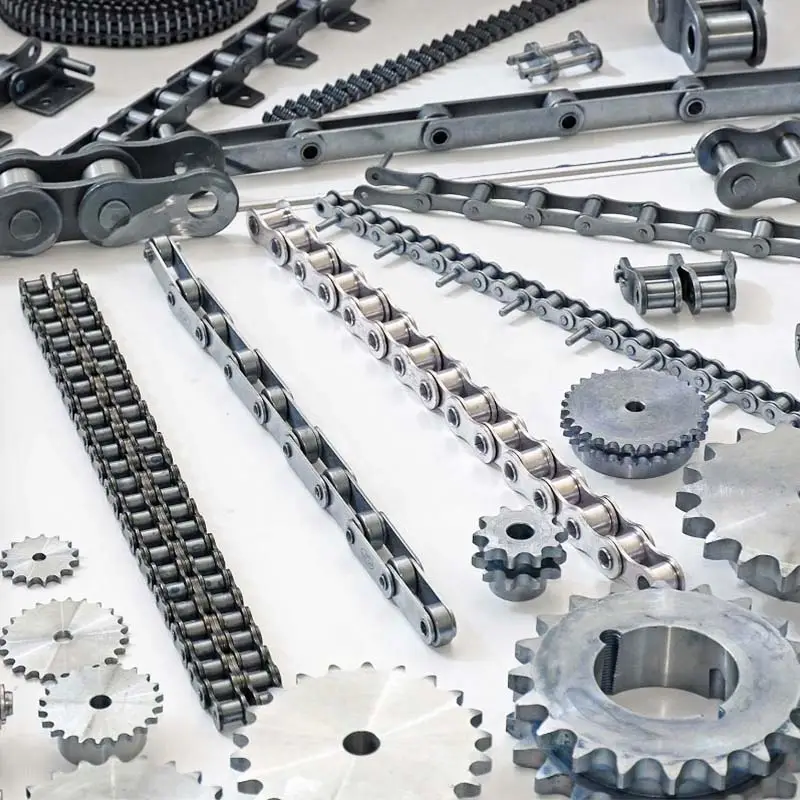
What are the environmental considerations when using engineering chains?
When using engineering chains in various applications, there are several environmental considerations to keep in mind to ensure optimal performance, longevity, and safety. These considerations include:
1. Temperature: Extreme temperatures, whether high or low, can affect the performance and lifespan of engineering chains. Proper lubrication and material selection are essential to ensure the chain can withstand the temperature conditions in the operating environment.
2. Corrosive Environments: In corrosive environments, such as those with exposure to chemicals, saltwater, or other corrosive substances, it’s crucial to choose engineering chains made from corrosion-resistant materials, such as stainless steel or coatings that provide protection against corrosion.
3. Dust and Contaminants: Dust, dirt, and other contaminants can accumulate on the chain, leading to increased wear and reduced efficiency. Regular cleaning and proper chain guarding can help minimize the impact of these environmental factors.
4. Moisture and Water Exposure: For applications exposed to moisture or water, selecting chains with appropriate sealing or corrosion-resistant coatings is important to prevent rust and maintain performance.
5. UV Exposure: Outdoor applications exposed to direct sunlight can be subject to UV degradation. Using engineering chains with UV-resistant materials or protective coatings can help mitigate the effects of UV exposure.
6. Noise and Vibration: Certain environments may have strict noise regulations. In such cases, using chain guides, dampers, or other noise-reducing features can help lower the noise and vibration levels produced by the chain.
7. Load Variation: Environmental conditions may lead to variations in the load on the chain. Understanding and accommodating load variations is crucial for ensuring the chain’s reliability and preventing premature failure.
8. Compliance with Regulations: Some industries have specific environmental regulations that must be adhered to. It’s essential to select engineering chains that comply with these regulations to maintain a safe and environmentally friendly operation.
9. Maintenance and Lubrication: Proper and regular maintenance, including lubrication, is critical to ensure the chain’s smooth operation and extend its service life in any environment.
Considering these environmental factors will help in selecting the right engineering chain for a particular application, ensuring optimal performance, and reducing the risk of chain failure due to environmental conditions.
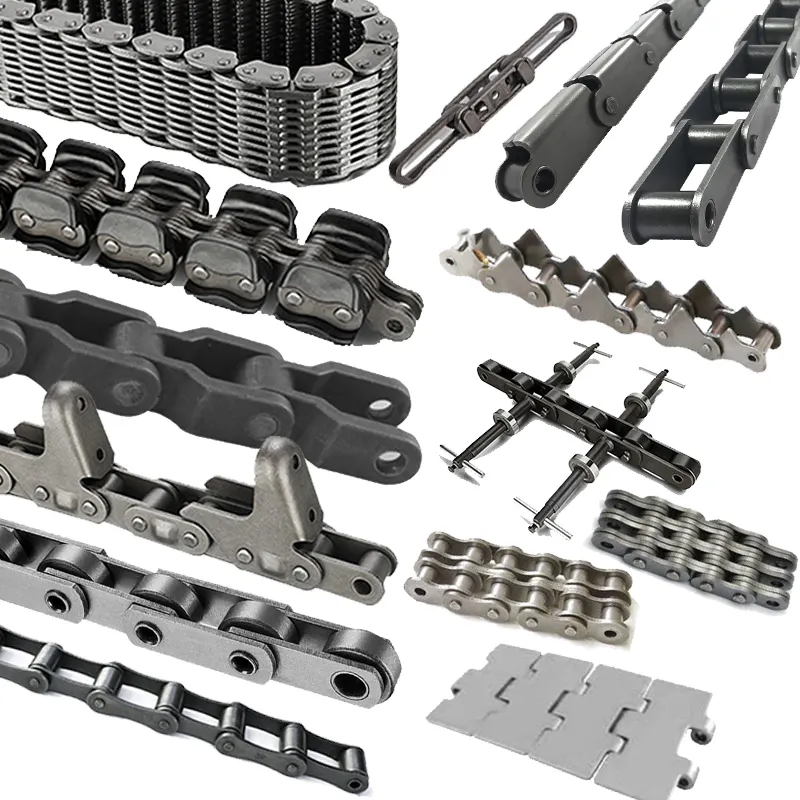
What materials are engineering chains typically made of?
Engineering chains are commonly made from a variety of durable and high-strength materials to ensure their performance and longevity in demanding industrial applications. The choice of material depends on factors such as the application’s requirements, environmental conditions, and the specific type of engineering chain. Some of the typical materials used for engineering chains include:
1. Carbon Steel: Carbon steel is a popular choice for engineering chains due to its excellent strength and affordability. It is suitable for many standard industrial applications where moderate strength and resistance to wear are required.
2. Alloy Steel: Alloy steel offers higher strength and better resistance to wear and fatigue compared to carbon steel. It is commonly used in heavy-duty and high-stress applications, such as mining equipment and construction machinery.
3. Stainless Steel: Stainless steel is chosen for its corrosion resistance properties, making it ideal for applications where the chain may be exposed to moisture, chemicals, or harsh environments. It is commonly used in food processing, pharmaceuticals, and outdoor applications.
4. Nickel-Plated Steel: Nickel-plated steel chains provide enhanced corrosion resistance while retaining the strength of carbon or alloy steel. They are often used in applications where both strength and corrosion resistance are important.
5. Plastic: In some cases, engineering chains may be constructed entirely from plastic or have plastic components. Plastic chains are commonly used in industries requiring low noise, lightweight, and corrosion resistance, such as the food and beverage industry and packaging applications.
6. Other Specialty Materials: Depending on the specific requirements of an application, engineering chains may also be made from other specialty materials like bronze, zinc-plated steel, or coated chains to meet particular needs.
The choice of material is crucial in determining the performance, longevity, and suitability of the engineering chain for a specific application. Manufacturers provide information on the material composition of their chains, allowing users to select the most appropriate material based on the intended use and operating conditions.


editor by CX 2023-10-25