
Product Description
Alloy Material Engineering Industrial Heavy Duty Stainless Steel Chain
Product Description
1. Material: Alloy steel & Stainless steel
2. Surface treatment: Shot peening / Zinc-plated / Nickel-plated / Dacromet-plated
3. Characteristic: Chain plate hole finally passed ball extrusion to ensure maximum fatigue resistance, parts of shot peening treatment makes the chain and the sleeve has a higher fatigue strength.
| Materials Available | 1. Stainless Steel: SS304, SS316, etc |
| 2. Alloy Steel: 45Mn, 42CrMo, etc | |
| 3. OEM according to your request | |
| Surface Treatment | Shot peening, Polishing, Oxygenation, Blackening, Zinc-plated, Nickel-plated, Anodized, etc. |
| Characteristic | Fire Resistant, Oil Resistant, Heat Resistant |
| Application | Agricultural machine |
| Design criterion | ISO DIN ANSI & Customer’s Drawing |
| Size | Customer’s Drawing & ISO standard |
| Package | Wooden Case / Container and pallet, or made-to-order |
| Certificate | ISO9001: 2008 |
| Advantage | First quality, best service, competitive price, fast delivery |
| Delivery Time | 20 days for samples. 45 days for official order. |
Detailed Photos
View more products,please click here…
Company Profile
/* January 22, 2571 19:08:37 */!function(){function s(e,r){var a,o={};try{e&&e.split(“,”).forEach(function(e,t){e&&(a=e.match(/(.*?):(.*)$/))&&1
| Material: | Alloy/Carbon Steel |
|---|---|
| Sample: | for Free |
| Transport Package: | Plastic Bag+Carton Box+Plywood Case |
| Specification: | S55K1, S62A2K1 |
| Trademark: | made-to-order |
| Origin: | China |
| Samples: |
US$ 0/Meter
1 Meter(Min.Order) | |
|---|
| Customization: |
Available
| Customized Request |
|---|
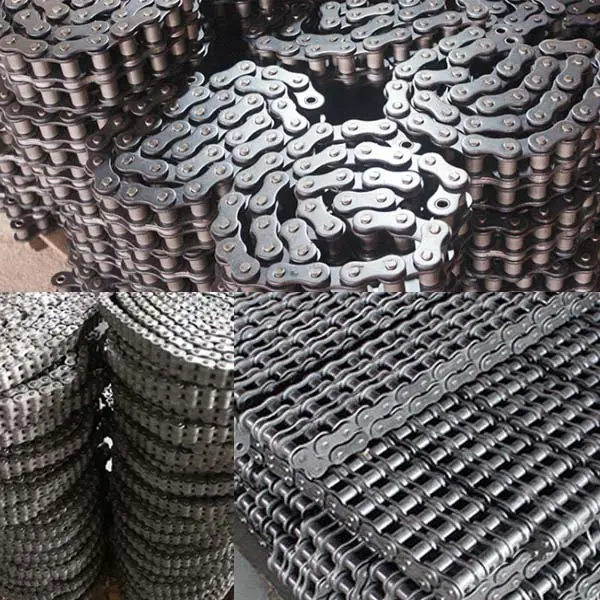
Can engineering chains be repaired or must they be completely replaced?
Unlike some other components, engineering chains are generally not designed to be repaired. Once an engineering chain shows signs of wear, damage, or elongation, it is recommended to replace the entire chain rather than attempting repairs. Here are the reasons why engineering chains are typically replaced instead of repaired:
1. Safety Concerns: Engineering chains are critical components in industrial applications, often responsible for transmitting high loads and operating at high speeds. If a chain fails due to a repair that was not performed correctly, it can lead to serious safety hazards and potential accidents.
2. Complex Design: Engineering chains have a complex design with various components, including pins, rollers, bushings, and plates. Repairing these components and restoring them to their original specifications is difficult and may not guarantee the same level of performance and reliability as a new chain.
3. Cost-Effectiveness: In many cases, repairing an engineering chain can be more costly and time-consuming than simply replacing it. Additionally, a repaired chain may have a shorter service life, leading to more frequent replacements in the future.
4. System Integrity: Engineering chains work as part of a larger system, engaging with sprockets and other components. If a repaired chain does not fit perfectly within the system, it can cause misalignment, premature wear, and reduced performance.
5. Manufacturer Recommendations: Chain manufacturers usually recommend replacing the entire chain when it shows signs of wear or elongation. Following these recommendations ensures that the system operates as intended and maintains its reliability.
Considering the critical role of engineering chains in various industrial applications, it is best to prioritize safety, reliability, and system performance by replacing worn or damaged chains with new ones. Regular maintenance, proper lubrication, and timely replacements will help extend the service life of the engineering chains and contribute to the overall efficiency of the machinery and equipment.
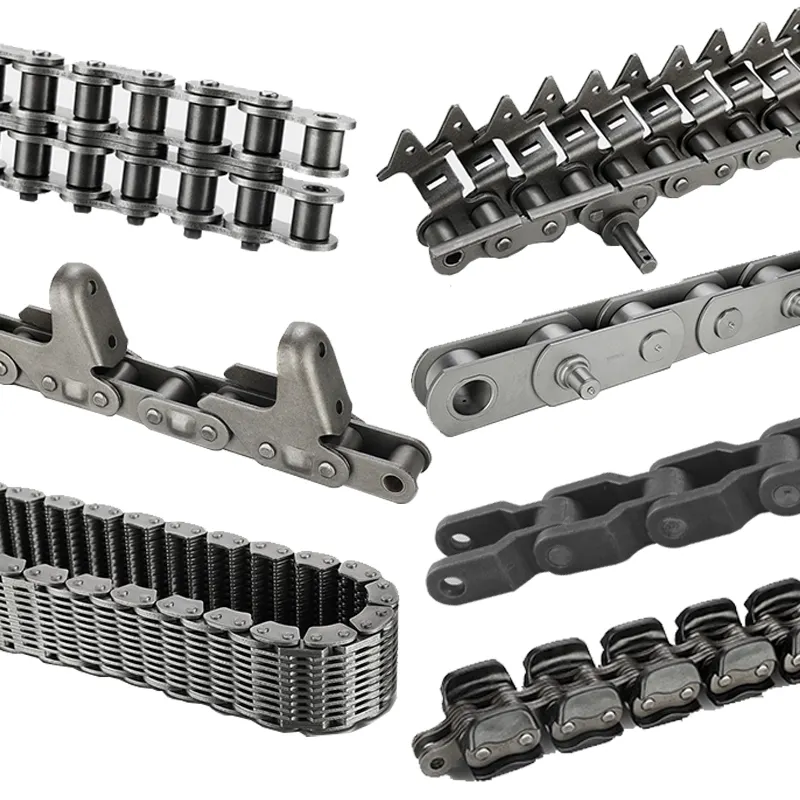
Can engineering chains be used in vertical lifting applications?
Yes, engineering chains can be used in vertical lifting applications, and they are commonly employed in various industries for this purpose. Vertical lifting applications require a reliable and robust power transmission solution, and engineering chains are well-suited to meet these demands.
1. High Load Capacity: Engineering chains are designed to handle heavy loads, making them suitable for vertical lifting applications where substantial weights need to be lifted and moved.
2. Safety Features: Many engineering chains used in lifting applications are designed with safety features, such as chain guides or guards, to prevent the chain from derailing or jumping off the sprockets during operation.
3. Controlled Motion: Engineering chains offer precise control over the lifting motion, which is crucial for vertical lifting tasks that require accuracy and stability.
4. Reliability: In vertical lifting applications, the chain must operate consistently and reliably to ensure the safety of workers and equipment. Engineering chains are known for their durability and long service life, making them a dependable choice for such critical tasks.
5. Customization: Engineering chains can be customized to fit specific vertical lifting applications. Different chain types, sizes, and attachments can be chosen to optimize performance and efficiency for a particular lifting task.
6. Lubrication: Proper lubrication is essential for engineering chains used in vertical lifting applications to minimize friction and wear, ensuring smooth and efficient operation.
7. Compliance: Depending on the industry and application, engineering chains may need to comply with specific safety standards and regulations, such as ISO or ANSI standards.
Overall, engineering chains are a reliable and versatile option for vertical lifting applications, providing the necessary strength, control, and safety required for lifting heavy loads with precision and efficiency.
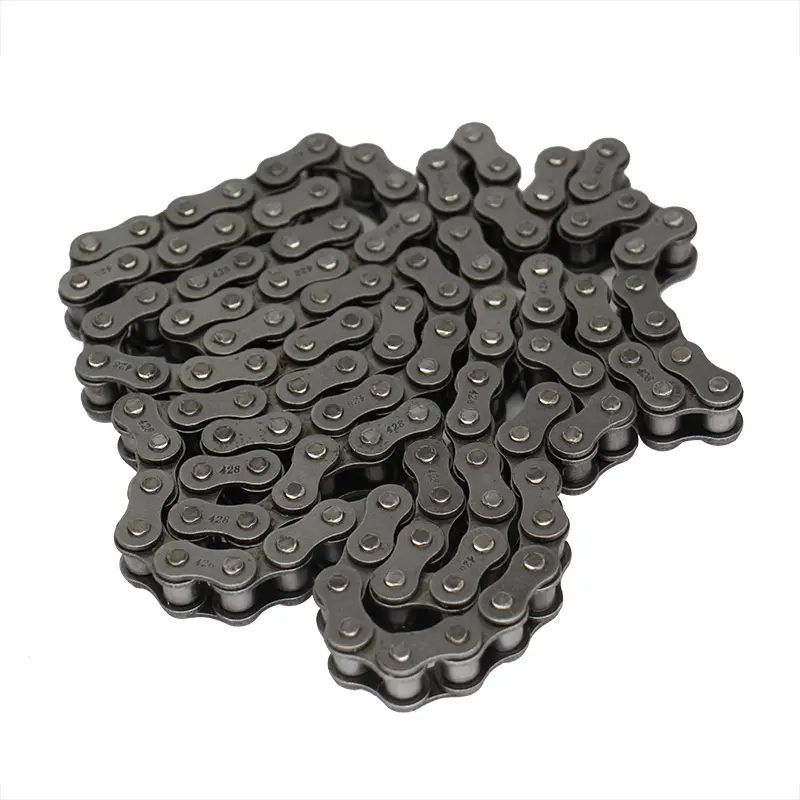
Can engineering chains be used in corrosive or harsh environments?
Yes, engineering chains can be designed and manufactured to withstand corrosive or harsh environments. When operating in such conditions, it is crucial to select the appropriate materials and coatings for the chain to ensure its durability and performance. Here are some considerations for using engineering chains in corrosive or harsh environments:
1. Material Selection: Choose materials that have high corrosion resistance, such as stainless steel or nickel-plated chains. These materials can withstand exposure to moisture, chemicals, and other corrosive agents.
2. Coatings and Surface Treatments: Applying specialized coatings or surface treatments to the chain can further enhance its corrosion resistance. Common coatings include zinc plating, chromate conversion coating, and polymer coatings.
3. Sealed Joints: Opt for engineering chains with sealed joints or special seals to protect the internal components from contaminants and moisture, reducing the risk of corrosion.
4. Environmental Ratings: Some engineering chains may come with specific environmental ratings that indicate their suitability for certain conditions. Check these ratings to ensure the chain is appropriate for the intended environment.
5. Regular Maintenance: Even with corrosion-resistant materials and coatings, regular maintenance is essential. Keep the chain clean, lubricated, and free from debris to prevent corrosion and premature wear.
6. Compatibility with Other Components: Ensure that all components in the chain system, such as sprockets and bearings, are also suitable for use in corrosive environments.
7. Temperature Considerations: Take into account the operating temperature range of the environment. Some materials may perform differently at extreme temperatures, affecting the chain’s overall performance.
8. Chemical Exposure: If the chain will be exposed to specific chemicals or substances, verify that the chosen materials and coatings are resistant to those chemicals.
By carefully selecting the right materials, coatings, and design features, engineering chains can effectively handle corrosive or harsh environments, maintaining their functionality and longevity in challenging industrial applications.


editor by CX 2024-05-06