
Product Description
Product Description
KASIN intermediate carrier chains operate in the most corrosive conditions brought about by continous operation in raw sugar juice.As a consquence chains employ corrosion resistant materials . The swivel attachments allows for self allignment of the strands during operation compensating for anymismatch.
Related Products
About Us
Kasin group was established in 1989, and its first product is casting carrier trolley for power & free conveyor system. In 1995, CHINAMFG purchased HangZhou Guoping Forging Factory (LYGP), a marketer of forging bolts & nuts to power & free line market in china. With this acquisition, CHINAMFG positioned itself as 1 of major parts suppliers of monorail and power & free conveyor system in china.
In 2
| Material: | Alloy |
|---|---|
| Structure: | Roller Chain |
| Surface Treatment: | Polishing |
| Feature: | Fire Resistant, Oil Resistant, Heat Resistant |
| Pitch: | 152.40mm |
| Roller Dia: | 69.90mm |
| Samples: |
US$ 100/Meter
1 Meter(Min.Order) | |
|---|
| Customization: |
Available
| Customized Request |
|---|
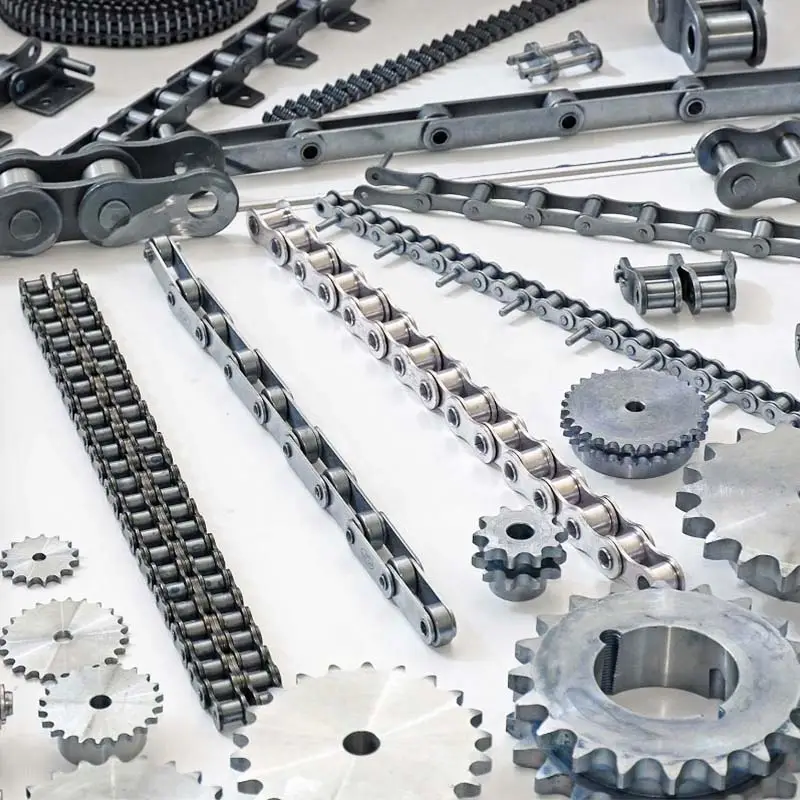
What are the noise and vibration characteristics of engineering chains?
Engineering chains, like other types of roller chains, can produce noise and vibrations during their operation. The noise and vibration characteristics of engineering chains depend on several factors:
- Lubrication: Proper lubrication of the chain can help reduce friction between the chain’s components, leading to smoother operation and lower noise levels.
- Chain Condition: A well-maintained chain with proper tension and minimal wear is likely to produce less noise and vibration compared to a worn or damaged chain.
- Alignment: Proper alignment of the sprockets and the chain is essential to minimize lateral forces, which can contribute to increased noise and vibration.
- Load and Speed: Heavier loads and higher speeds can increase the dynamic forces within the chain, leading to more pronounced noise and vibration.
- Environmental Factors: External factors, such as temperature, humidity, and contaminants, can influence the chain’s noise and vibration characteristics.
Chain noise and vibration can be managed through various measures:
- Chain Design: Some chains are designed with noise reduction features, such as special profile plates or noise-dampening materials.
- Lubrication: Using high-quality and appropriate lubricants can help reduce friction and noise.
- Tensioning: Properly tensioned chains experience less vibration and are less likely to produce noise.
- Maintenance: Regular inspection and maintenance can identify and address any issues that may contribute to increased noise and vibration.
- Isolation: In some applications, adding vibration isolators or dampeners can help reduce the transmission of noise and vibrations to surrounding structures.
It’s important to consider the specific requirements of the application and consult with chain manufacturers or experts to select the most suitable engineering chain and implement noise and vibration mitigation strategies when necessary.
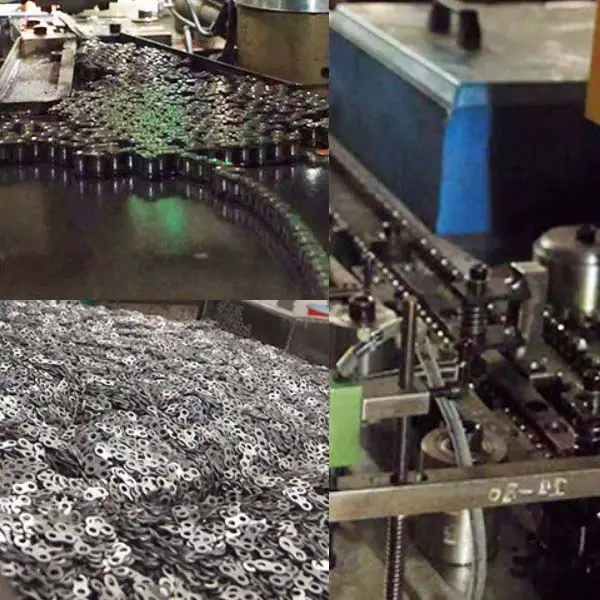
How do engineering chains handle side loads and lateral forces?
Engineering chains are designed to handle side loads and lateral forces effectively, making them suitable for applications where such forces may be present. The ability of engineering chains to handle side loads and lateral forces is primarily influenced by their construction and material properties.
Key factors contributing to the handling of side loads and lateral forces by engineering chains include:
- Chain Design: Engineering chains are often constructed with solid bushings and rollers that provide smooth articulation between the chain links. This design minimizes friction and wear, allowing the chain to better accommodate lateral movements.
- Material Selection: High-quality engineering chains are typically made from durable materials, such as alloy steel, that offer excellent tensile strength and resistance to fatigue. These material properties enable the chain to withstand lateral forces without deformation or failure.
- Clearances: The clearances between the chain components and the sprocket teeth are carefully engineered to ensure that the chain can flex and adjust to lateral forces without jamming or binding. Proper clearances also help reduce wear and noise during operation.
- Guidance Systems: In certain applications, additional guidance systems may be used to support the chain and maintain its alignment, especially when dealing with significant side loads. These guidance systems can include wear strips, guide rails, or other forms of lateral support.
It’s important to note that while engineering chains can handle some degree of side loads and lateral forces, excessive or prolonged lateral forces can lead to premature wear and reduced chain life. Therefore, it is crucial to select the appropriate chain size and design for the specific application and operating conditions to ensure optimal performance and longevity.
Regular maintenance, including proper lubrication and periodic inspection, is also essential to monitor chain wear and detect any signs of damage that may result from side loads or other external forces. By following proper maintenance practices, the engineering chain’s ability to handle side loads and lateral forces can be maximized, ensuring reliable and efficient power transmission in various industrial applications.
What are the different types of engineering chains available in the market?
Engineering chains come in various types, each designed to meet specific industrial needs and operating conditions. Here are some of the common types of engineering chains available in the market:
- Roller Chains: Roller chains are the most common type of engineering chain and consist of cylindrical rollers that engage with the sprocket teeth for smooth power transmission. They are widely used in industries like manufacturing, agriculture, and automotive.
- Drag Chains: Drag chains, also known as conveyor chains or slat chains, have flat, interlocking plates connected together. They are used in conveyor systems for material handling applications, especially in heavy-duty and abrasive environments.
- Hollow Pin Chains: Hollow pin chains feature hollow pins that allow for the insertion of cross rods or attachments, making them versatile for handling irregularly shaped loads or for use as a conveyor in specific industries.
- Double Pitch Chains: Double pitch chains have larger pitch distances between the links, resulting in lighter weight and lower cost. They are commonly used in low-speed and light-load applications.
- Leaf Chains: Leaf chains, also known as forklift chains, are used in lifting applications, such as forklift trucks and other material handling equipment.
- Side Bow Chains: Side bow chains have links with a curved or bent shape, allowing them to flex and bend laterally, making them suitable for curved or circular conveyor applications.
- Apron Chains: Apron chains are used in apron conveyors, typically found in the mining and cement industries, for transporting heavy and abrasive materials.
- Specialty Chains: There are various specialty chains available for specific industries and applications, such as escalator chains, agricultural chains, bottle conveyor chains, and more.
Each type of engineering chain has its own unique design and features to cater to specific requirements. The choice of chain type depends on factors like load capacity, speed, environmental conditions, and the application’s needs. It’s essential to select the appropriate chain type and ensure proper maintenance to achieve optimal performance and longevity in industrial operations.


editor by CX 2023-11-08