
Product Description
Usage characteristics of steel towing chain:
It is suitable for reciprocating occasions, and can play a role in traction and protection of built-in cables, oil pipes, gas pipes, water pipes, etc. Each section of the steel tow chain can be opened, which is convenient for installation and maintenance. Low movement noise, high speed movement. Steel drag chain has been widely used in CNC machine tools, electronic equipment, stone machinery, glass machinery, door and window machinery, injection molding machine, manipulator, lifting and transportation equipment, automated warehouse, etc.
Warm tip:
The steel drag chain can carry a large number of cables and oil pipes with heavy weight, and its free suspension length is large. The support plate can be made according to customers’ needs, and it is suitable for all mobile machines, etc. Its bending radius is 75-650mm, and the height of the chain plate is 40-145mm, which can be arbitrarily selected. The fixing of the towing chain can be selected according to the position of the machine tool.
We are a manufacturer specializing in the production of machinery and equipment for 18 years, is a joint venture between China and Germany, all the company’s products have passed the IS90001 quality certification system certification, with 1 AMADA bending machine, 1 TAILIFT fast bending machine, 2 TAILIFT shearing machine, 1 German fast cutting machine, 1 Haitian injection molding machine, and other equipment more than 30 sets, Specializing in the production of various machinery and equipment, to become a large supplier at home and abroad. At your service
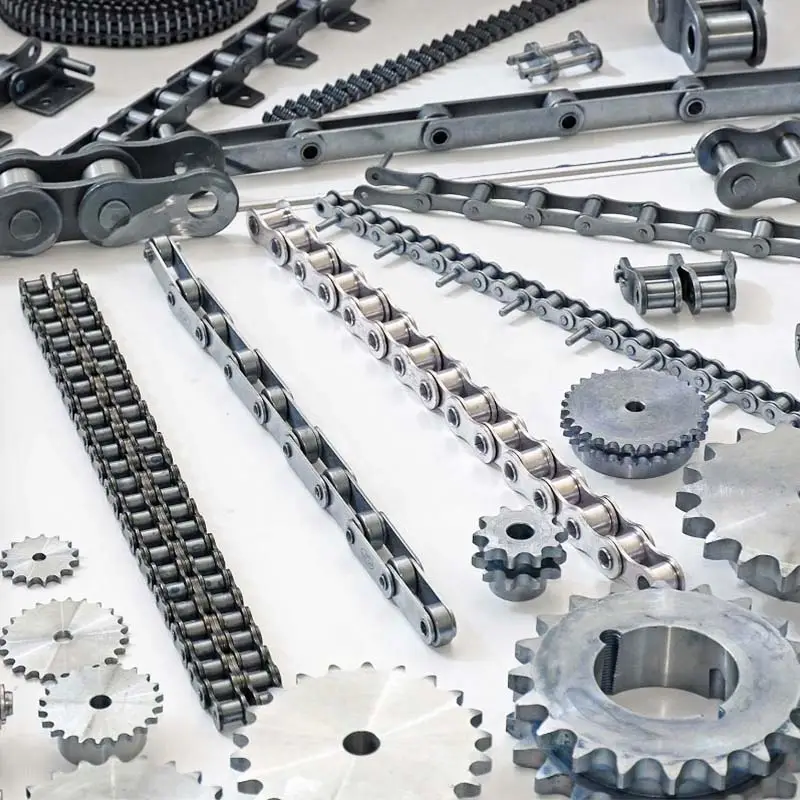
What are the signs of wear and when should an engineering chain be replaced?
Identifying signs of wear in an engineering chain is crucial for maintaining the system’s reliability and preventing unexpected failures. Here are some common signs of wear in an engineering chain that indicate it may need replacement:
1. Elongation: Over time, chains can elongate due to wear on the pins and bushings. Measure the chain’s pitch (center-to-center distance between pins) and compare it to the original pitch. If the elongation exceeds the manufacturer’s recommended limit, it’s time to replace the chain.
2. Chain Stretch: Chain stretch occurs when the chain has excessive play or slack when engaged with the sprockets. This can result from elongation and may lead to a loss of accuracy in the system’s operation.
3. Increased Noise: Excessive wear can cause the chain to produce more noise during operation. If you notice a significant increase in chain noise, it may indicate wear or inadequate lubrication.
4. Chain Damage: Inspect the chain for signs of damage, such as bent or broken links, cracked plates, or damaged rollers. Damaged components compromise the chain’s integrity and can lead to failure.
5. Rust and Corrosion: Chains used in corrosive environments may show signs of rust and corrosion. Corroded components can weaken the chain and reduce its load-carrying capacity.
6. Frequent Maintenance and Repairs: If you find yourself frequently performing maintenance and repairs on the chain, it may be an indication that it is nearing the end of its service life.
7. Chain Misalignment: Excessive wear can cause the chain to misalign with the sprockets, leading to uneven wear patterns on the chain components.
8. Loss of Tension: In applications where tension is crucial for proper chain engagement, a loss of tension could indicate wear or elongation.
9. Reduced Performance: If the system’s performance, such as speed or accuracy, is noticeably reduced, it could be due to chain wear affecting the overall functionality.
10. Maintenance Records: Keep detailed records of the chain’s maintenance and service life. Regularly inspect the chain and refer to maintenance records to determine if it has reached its recommended replacement interval.
When you observe any of these signs of wear, it’s important to replace the engineering chain promptly. Continuing to use a worn or damaged chain can lead to unexpected failures, production downtime, and potential damage to other system components. Regular inspections, proper lubrication, and timely replacement will ensure the reliability and longevity of the engineering chain in various industrial applications.
What are the environmental considerations when using engineering chains?
When using engineering chains in various applications, there are several environmental considerations to keep in mind to ensure optimal performance, longevity, and safety. These considerations include:
1. Temperature: Extreme temperatures, whether high or low, can affect the performance and lifespan of engineering chains. Proper lubrication and material selection are essential to ensure the chain can withstand the temperature conditions in the operating environment.
2. Corrosive Environments: In corrosive environments, such as those with exposure to chemicals, saltwater, or other corrosive substances, it’s crucial to choose engineering chains made from corrosion-resistant materials, such as stainless steel or coatings that provide protection against corrosion.
3. Dust and Contaminants: Dust, dirt, and other contaminants can accumulate on the chain, leading to increased wear and reduced efficiency. Regular cleaning and proper chain guarding can help minimize the impact of these environmental factors.
4. Moisture and Water Exposure: For applications exposed to moisture or water, selecting chains with appropriate sealing or corrosion-resistant coatings is important to prevent rust and maintain performance.
5. UV Exposure: Outdoor applications exposed to direct sunlight can be subject to UV degradation. Using engineering chains with UV-resistant materials or protective coatings can help mitigate the effects of UV exposure.
6. Noise and Vibration: Certain environments may have strict noise regulations. In such cases, using chain guides, dampers, or other noise-reducing features can help lower the noise and vibration levels produced by the chain.
7. Load Variation: Environmental conditions may lead to variations in the load on the chain. Understanding and accommodating load variations is crucial for ensuring the chain’s reliability and preventing premature failure.
8. Compliance with Regulations: Some industries have specific environmental regulations that must be adhered to. It’s essential to select engineering chains that comply with these regulations to maintain a safe and environmentally friendly operation.
9. Maintenance and Lubrication: Proper and regular maintenance, including lubrication, is critical to ensure the chain’s smooth operation and extend its service life in any environment.
Considering these environmental factors will help in selecting the right engineering chain for a particular application, ensuring optimal performance, and reducing the risk of chain failure due to environmental conditions.
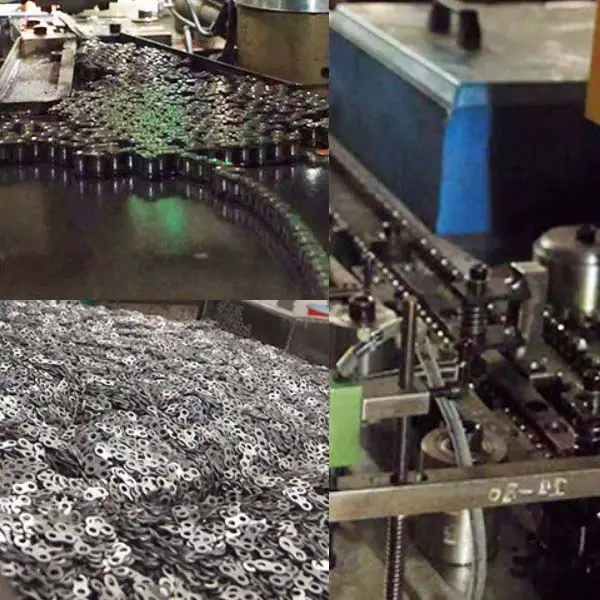
What are the advantages of using an engineering chain in industrial applications?
Engineering chains offer several advantages that make them highly suitable for a wide range of industrial applications:
- Robust and Durable: Engineering chains are built to withstand heavy loads, harsh environmental conditions, and abrasive materials commonly found in industrial settings. Their robust construction ensures long-lasting performance and reduces the frequency of replacements, contributing to cost-effectiveness.
- Versatility: With various types and configurations available, engineering chains are highly versatile. They can be adapted to a wide array of applications, such as material handling, conveyor systems, bucket elevators, and more. Different attachments and accessories further enhance their adaptability for specific tasks.
- Specialized Variants: The market offers a diverse selection of engineering chains with specialty variants designed for specific industries. Whether it’s mining, agriculture, automotive, or food processing, there is likely an engineering chain optimized for the unique demands of each application.
- High Load Capacity: Engineering chains are capable of handling heavy loads, making them suitable for heavy machinery, lifting equipment, and other industrial applications requiring substantial power transmission capabilities.
- Efficient Power Transmission: The design of engineering chains ensures smooth and efficient power transmission, reducing energy losses and improving overall system performance.
- Attachments and Accessories: Many engineering chains come with pre-installed or customizable attachments that enable them to perform specialized tasks. These attachments can include slats, buckets, rollers, and other components, enhancing their ability to carry, grip, or convey materials as needed.
- Reliable Performance: Due to their robust design and precise engineering, these chains provide reliable and consistent performance even under challenging conditions, contributing to increased productivity and reduced downtime.
- Wide Range of Materials: Engineering chains can be manufactured from various materials, including carbon steel, stainless steel, and plastic, allowing for compatibility with different operating environments and industries.
- Cost-Effective Solutions: Despite their higher initial cost compared to standard roller chains, engineering chains often prove to be cost-effective in the long run due to their extended service life and reduced maintenance needs.
In summary, engineering chains offer durability, versatility, and specialized features that make them an excellent choice for industrial applications where reliable and efficient power transmission is essential. Their ability to handle heavy loads, varied environments, and specific tasks sets them apart as a valuable component in numerous industrial processes.


editor by CX 2023-11-03