
Product Description
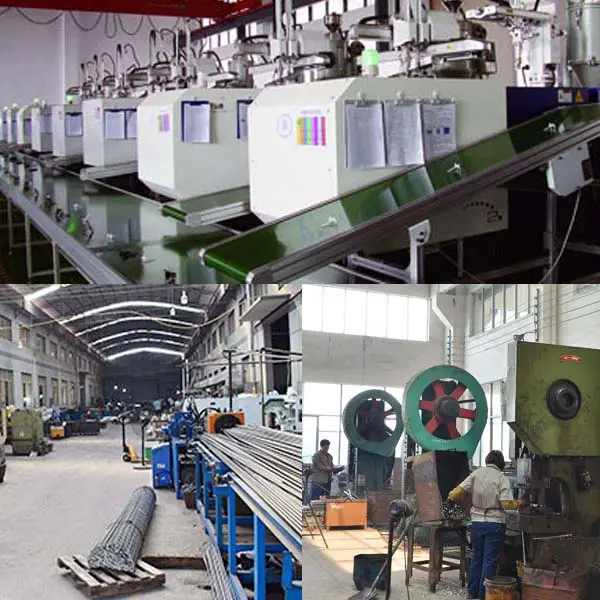
XIHU (WEST LAKE) DIS.HUA Chain Group is the most professional manufacturer of power transmission in China, manufacturing roller chains, industry sprockets, motorcycle sprockets, casting sprockets, different type of couplings, pulleys, taper bushes, locking devices, gears, shafts, CNC precision parts and so on. We have passed ISO9001, ISO14001, TS16949 such quality and enviroment certification
We adopt good quality raw material and strict with DIN, ANSI, JIS standard ect, We have professional quality conrol team, complet equipment, advanaced technology. In 1999, Xihu (West Lake) Dis.hua obtained ISO9001 Certificate of Quality Assurance System, besides, the company also devotes itselt o environmental protection, In2002, it also obtained ISO14001 Certificate of Environment Management System.
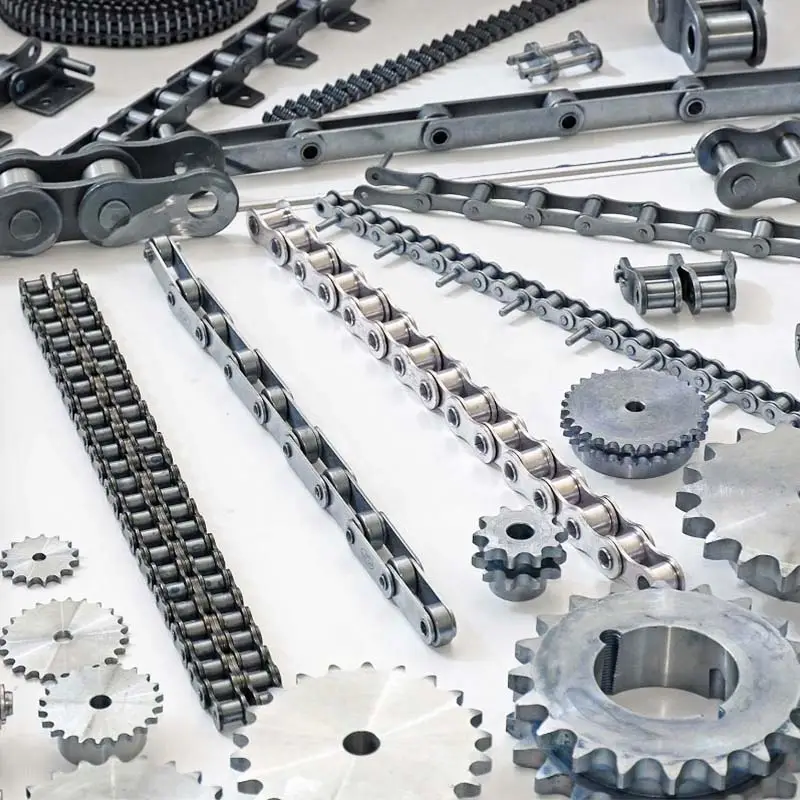
Engineering Bush Chains with Attachments
Material: Alloy Steel
Surface Treatment: Shot Peening / Blacking / Blueing
Main Application: Industry machine
ANSI/XIHU (WEST LAKE) DIS.HUA CHAIN NO. PITCH
S102B 101.6
S110 152.4
S111 120.9
S131 78.11
S150 153.67
S188 66.27
S856 152.4
S102.5 102.36
S110F1 152.4
S111F1 120.9
| ANSI Chain No. | Xihu (West Lake) Dis.hua Chain No. | Pitch(mm) | Distance of 2 holes(mm) | Width of attachment(mm) | F(mm) | W(mm) | h4 | Diameter of hole d4(mm) | Plate thickness (mm) |
| S102B | 101.60 | 44.50 | 69.9 | 134.90 | 180.80 | 25.40 | 10.2 | 9.7 | |
| S110 | 152.40 | 44.50 | 89.6 | 134.90 | 180.80 | 25.40 | 10.2 | 9.7 | |
| S111 | 120.90 | 58.70 | 92.7 | 158.80 | 210.80 | 38.10 | 13.5 | 9.7 | |
| S131 | 78.11 | 38.10 | 73.9 | 104.60 | 157.00 | 25.40 | 13.5 | 9.7 | |
| S150 | 153.67 | 69.90 | 108.7 | 190.50 | 249.40 | 47.80 | 13.5 | 12.7 | |
| S188 | 66.27 | 31.80 | 54.6 | 106.40 | 131.60 | 20.60 | 8.6 | 6.4 | |
| S856 | 152.40 | 63.50 | 103.1 | 184.20 | 241.30 | 47.80 | 16.8 | 12.7 | |
| S102.5 | 102.36 | 44.45 | 69.0 | 136.53 | 163.51 | 28.58 | 9.5 | 9.5 | |
| S110F1 | 152.40 | 44.45 | 88.9 | 134.94 | 165.10 | 27.78 | 10.3 | 9.5 | |
| S111F1 | 120.90 | 58.70 | 87.5 | 158.75 | 196.85 | 38.10 | 13.7 | 9.5 |
/* January 22, 2571 19:08:37 */!function(){function s(e,r){var a,o={};try{e&&e.split(“,”).forEach(function(e,t){e&&(a=e.match(/(.*?):(.*)$/))&&1
| Usage: | Transmission Chain |
|---|---|
| Material: | Alloy/Carbon Steel |
| Color: | Solid Color |
| Donghua Chain No: | S102b S110 S111 S131…. |
| Pitch: | 101.6 152.4 120.9 78.11… |
| Structure (for Chain): | Roller Chain |
| Customization: |
Available
| Customized Request |
|---|
What are the signs of wear and when should an engineering chain be replaced?
Identifying signs of wear in an engineering chain is crucial for maintaining the system’s reliability and preventing unexpected failures. Here are some common signs of wear in an engineering chain that indicate it may need replacement:
1. Elongation: Over time, chains can elongate due to wear on the pins and bushings. Measure the chain’s pitch (center-to-center distance between pins) and compare it to the original pitch. If the elongation exceeds the manufacturer’s recommended limit, it’s time to replace the chain.
2. Chain Stretch: Chain stretch occurs when the chain has excessive play or slack when engaged with the sprockets. This can result from elongation and may lead to a loss of accuracy in the system’s operation.
3. Increased Noise: Excessive wear can cause the chain to produce more noise during operation. If you notice a significant increase in chain noise, it may indicate wear or inadequate lubrication.
4. Chain Damage: Inspect the chain for signs of damage, such as bent or broken links, cracked plates, or damaged rollers. Damaged components compromise the chain’s integrity and can lead to failure.
5. Rust and Corrosion: Chains used in corrosive environments may show signs of rust and corrosion. Corroded components can weaken the chain and reduce its load-carrying capacity.
6. Frequent Maintenance and Repairs: If you find yourself frequently performing maintenance and repairs on the chain, it may be an indication that it is nearing the end of its service life.
7. Chain Misalignment: Excessive wear can cause the chain to misalign with the sprockets, leading to uneven wear patterns on the chain components.
8. Loss of Tension: In applications where tension is crucial for proper chain engagement, a loss of tension could indicate wear or elongation.
9. Reduced Performance: If the system’s performance, such as speed or accuracy, is noticeably reduced, it could be due to chain wear affecting the overall functionality.
10. Maintenance Records: Keep detailed records of the chain’s maintenance and service life. Regularly inspect the chain and refer to maintenance records to determine if it has reached its recommended replacement interval.
When you observe any of these signs of wear, it’s important to replace the engineering chain promptly. Continuing to use a worn or damaged chain can lead to unexpected failures, production downtime, and potential damage to other system components. Regular inspections, proper lubrication, and timely replacement will ensure the reliability and longevity of the engineering chain in various industrial applications.
Can engineering chains be used in food processing or packaging industries?
Yes, engineering chains can be used in food processing and packaging industries under certain conditions. However, several considerations must be taken into account to ensure the safe and hygienic use of engineering chains in such applications.
Key factors to consider when using engineering chains in the food industry include:
- Food-Grade Materials: Engineering chains intended for use in food processing and packaging must be made from food-grade materials that meet industry standards for cleanliness and hygiene. Stainless steel chains are commonly used in these applications due to their corrosion resistance and ease of cleaning.
- Design and Construction: The chain design should minimize crevices, pockets, or areas that can trap food particles or contaminants. Smooth surfaces and sealed joints are preferred to facilitate thorough cleaning and prevent bacterial growth.
- Temperature and Chemical Resistance: Engineering chains should be capable of withstanding the temperature ranges and cleaning agents used in food processing facilities without compromising their performance or integrity.
- Lubrication: If lubrication is required, food-grade lubricants must be used to avoid contamination of the food products or packaging materials.
- Cleanability: The chain and its components should be easily accessible for cleaning and sanitation procedures. Quick disassembly and reassembly can also be beneficial for efficient cleaning processes.
- Regulatory Compliance: Compliance with food safety and sanitation regulations is of utmost importance. Engineering chains used in the food industry should meet industry standards and regulations to ensure product safety.
It’s crucial for food processing and packaging companies to work closely with chain suppliers who understand the specific requirements of the industry and offer chains designed and manufactured to meet these standards. Regular maintenance and inspections are essential to detect any signs of wear, damage, or contamination that could compromise the chain’s suitability for food-related applications.
By adhering to these guidelines and best practices, engineering chains can safely and effectively be used in food processing and packaging industries, contributing to the efficient and reliable operation of conveyor systems and other equipment in these critical sectors.
How does an engineering chain differ from a standard roller chain?
Engineering chains and standard roller chains share similarities in terms of their basic design, consisting of interconnected links that engage with sprockets for power transmission. However, there are key differences between the two types of chains:
- Application: Standard roller chains, also known as transmission chains, are primarily used for power transmission in industrial applications. They are commonly found in machinery, automotive, and other power transmission systems. On the other hand, engineering chains have a broader range of applications and are specifically designed for various industrial uses beyond pure power transmission.
- Design and Construction: Engineering chains are available in different configurations and materials to meet specific industrial needs. They come in various types like drag chains, apron chains, leaf chains, and more, each tailored for a particular application, such as material handling, lifting, or conveying. Standard roller chains have a more standardized design with cylindrical rollers, providing smooth motion in power transmission applications.
- Attachments: Engineering chains often feature attachments or extended pins that allow for the connection of specialized components or accessories. These attachments can be used for carrying loads, attaching products, or facilitating specific tasks in industrial processes. Standard roller chains, on the other hand, typically do not come with attachments.
- Load Capacity: Engineering chains are designed to handle a wide range of loads, including heavy loads, abrasive materials, and harsh environmental conditions. They are built to withstand the demands of rugged industrial settings. Standard roller chains are suitable for general power transmission applications and may not be as robust as engineering chains in challenging environments.
- Specialty Chains: Engineering chains include various specialty chains that cater to specific industries and applications, such as mining, agriculture, escalators, and more. Standard roller chains do not have the same diversity of specialized variants.
In summary, engineering chains are more versatile and adaptable, tailored to a broader range of industrial applications beyond power transmission. They offer a wider variety of designs, materials, and attachments to suit specific needs, making them suitable for demanding and specialized tasks in various industries.


editor by CX 2024-03-28