
Product Description
Crawler Excavator 400*74*72 Track Chain for Engineering Machinery Equipment Parts
| 1.Model no. | 400*74*72 |
| 2.Origin | China |
| 3.Application | Excavator |
| 4.Material | Rubber and Steel |
| 5.Weight | 128KG |
| 6.Condition | New |
| 7.Certification | ISO9001:2000 |
| 8.Port | ZheJiang ,China |
| 9.HS Code | 84314999 |
| 10.Feature | Wear-resistant,Heat-resistant,Tear-resistant |
| 11.Transport Package | Pallet with plastic wrapping/Nude Packing |
| 12.Color | Black |
| 13.Trade Mark | OEM Available |
SIZES
| 110/84 | 400/90DH | 500/90NA |
| 180/84W | 400/90JG | 500/90NAS |
| 200/84W | 400/90JK | 500/90NER |
| 250/84N8S | 400/90JW | 500/90NK |
| 280/79 | 400/90L | 500/90NK1 |
| 280/90 | 400/90N | 500/90NKE |
| 280/90KP | 400/90NC | 500/90NKH |
| 300/84N | 400/90NJ | 500/90NKS |
| 300/84NS | 400/90NJN | 500/90NS |
| 300/84YC | 400/90NJNS | 550/90A |
| 300/90D | 400/90NJS | 550/90B |
| 320/45(BC) | 400/90NK | 550/90KA2 |
| 320/45(TK) | 400/90NKS | 550/90N |
| 330/101.6 | 400/90NKW | 550/90NA |
| 330/72N7 | 400/90NS | 550/90NAS |
| 330/72N7S | 400/90NW | 550/90NER |
| 330/79N | 400/90NWS | 550/90NIH |
| 330/79NER | 400/90P | 550/90NK |
| 330/79NK | 400/90THC | 550/90NK2 |
| 330/79NKS | 410/90NER | 550/90NKS |
| 330/79NS | 420/84 | 550/90NS |
| 330/84N | 420/84DS | 550/90NSY |
| 330/84NC | 420/84N | 600/100(Ar) |
| 330/84NS | 420/84NS | 625/90 |
| 330/84YC | 420/90NK | C350/90 |
| 330/90 | 420/90NKS | C350/90H |
| 330/90N90S | 425/90 | C400/90 |
| 330/90N9I | 425/90D | C400/90H |
| 330/90N9IS | 450/90B | C400/90Y |
| 330/90NS | 450/90C | C450/90 |
| 350/84N | 450/90D | C450/90H |
| 350/84NS | 450/90DS | C500/90U |
| 350/90D | 450/90DT | D300/90 |
| 350/90L | 450/90JW | D350/90 |
| 350/90S | 450/90JWH | D400/90 |
| 360/79N | 450/90KP | D400/90A |
| 360/79NK | 450/90KU | D450/90 |
| 360/79NKS | 450/90L | D500/90 |
| 360/79NS | 450/90N | D500/90U |
| 360/90N | 450/90NA | DS400/90 |
| 360/90NER | 450/90NAS | DS450/90 |
| 360/90NKS | 450/90NER | DT450/90 |
| 360/90NS | 450/90NK | KB400/90 |
| 400/72 | 450/90NKS | 450/90JG |
| 400/79 | 450/90NS | 400/90P |
| 400/79NK | 450/90NW | D450/90G |
| 400/84 | 460/90 | 500/92W |
| 400/84R | 460/90C | 450/90DF |
| 400/84YC | 460/90HK | C450/90 |
| 400/84YCH | 460/90NK | 350/90X |
| 400/84YCL | 460/90NKS | 400/90DC |
| 400/90A | 470/90NER | 450/90DC |
| 400/90B | 500/100(Ar) | 500/90DC |
| 400/90C | 500/90CS | 550/90DC |
| 400/90CS | 500/90D | 350×90XB |
| 400/90D | 500/90DS | C450×90Z |
| 400/90D1 | 500/90JK | C450x90HL |
| 400/90D1S | 500/90JW | YM500/90 |
| 400/90DA | 500/90JWH | 500/90AW |
| 400/90DF | 500/90N | 575/93 |
Extreme Durability & Performance
Our joint free track structure, Special designed tread pattern, 100% virgin rubber,and 1 piece forging insert steel result extreme durability & performance and longer service life for construction equipment use. CZPT rubber tracks perform a high level of reliability and quality with our latest technology in mold tooling and rubber formulation.
Product Warranty
All our rubber tracks are made with a serial Number, we may trace the product date against the serial Number.
It’s normally 1year factory warranty from production date, or 1200 working hours.
Rubber Track Show:
Our customers:
John Deere,Challenger,Case,Morooka,Caterpollar,ASV,Hitachi,Hyundai,IHI,JCB,Vermeer and so on.
Workshop Producing show:
Packing show:
5)Factory show
6)Transfer way:
By sea
7)FAQ:
Q: Are you trading company or manufacturer ?
A: We are Integration of industry and trade, with over 20 years experience in rubber track. Our company have accumulated skilled production line, complete management and powerful research support, which could match all of the customers’ requirements and make them satisfaction.
Q: What is your main product?
–Rubber Track:different types tracks for machines
Q: What if I don’t know which type I need?
A: Don’t worry, Send the machine item of your using, our team will help you find the right 1 you are looking for.
Q: What is your terms of payment ?
A: Payment≤1000USD, 100% in advance. Payment≥1000USD, 30% T/T in advance ,balance before shippment.
If you have another question, pls feel free to contact us as below:
Q: How to delivery:
A: By sea – Buyer appoint forwarder, or our sales team find suitable forwarder for buyers.
Q: How long is your delivery time?
A: Generally it is 10-15 days if the goods are in stock. or it is 20-30 days if the goods are not in stock, it is according to quantity.
|
Shipping Cost:
Estimated freight per unit. |
To be negotiated |
|---|
| After-sales Service: | Yes |
|---|---|
| Warranty: | 12months Under Normal Use |
| Type: | Track |
| Samples: |
US$ 200/Piece
1 Piece(Min.Order) | Order Sample |
|---|
| Customization: |
Available
| Customized Request |
|---|
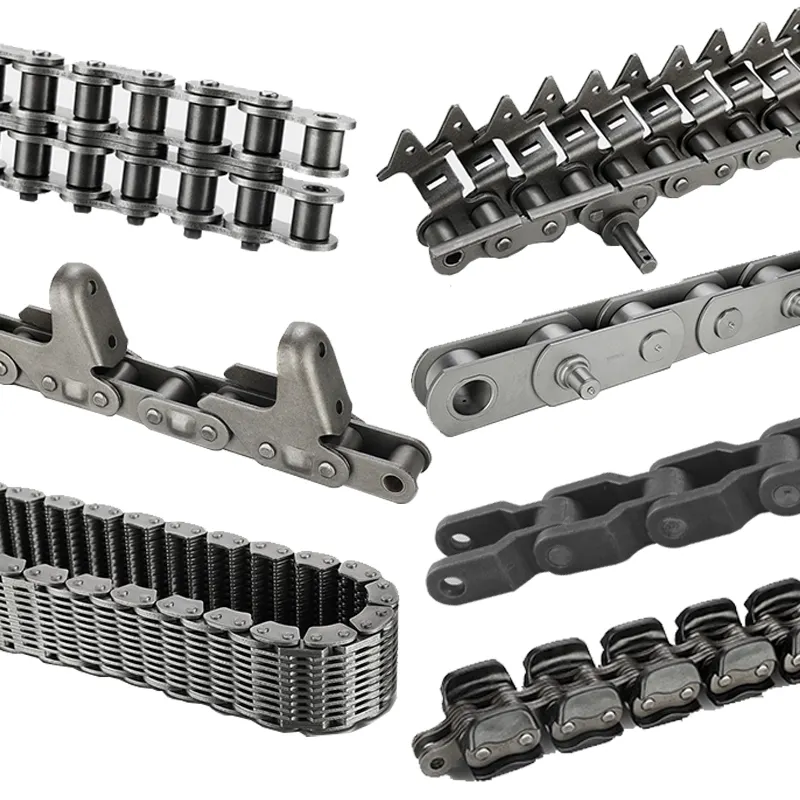
Can engineering chains be used in high-temperature environments?
Yes, engineering chains can be used in high-temperature environments, but their performance depends on the type of material they are made of and the specific temperature conditions they are exposed to. Here are some considerations for using engineering chains in high-temperature environments:
- Material Selection: Chains made from heat-resistant materials, such as stainless steel or special alloy steels, are suitable for high-temperature applications. These materials offer increased resistance to heat, oxidation, and corrosion.
- Lubrication: Proper lubrication is critical when using engineering chains in high-temperature environments. High-temperature lubricants that can withstand the specific temperature range are essential to reduce friction and wear between the chain’s components.
- Heat Dissipation: In high-temperature environments, the heat generated by the chain’s operation needs to be dissipated effectively to prevent excessive temperature rise. Adequate ventilation or cooling mechanisms may be required to maintain the chain within a safe operating temperature range.
- Chain Design: Chains intended for high-temperature use may have specific design features that enhance their heat resistance and performance. These design modifications can include heat-resistant coatings, special alloys, or heat-treated components.
- Operating Conditions: The operating conditions, such as the temperature range and the duration of exposure to high temperatures, should be carefully evaluated to ensure the chain’s material and lubrication are suitable for the specific application.
- Inspections and Maintenance: Regular inspections and maintenance are crucial to monitor the chain’s condition and performance in high-temperature environments. Any signs of wear, elongation, or damage should be addressed promptly to prevent potential failures.
When properly selected, lubricated, and maintained, engineering chains made from heat-resistant materials can reliably operate in high-temperature environments. It’s essential to consult with chain manufacturers or experts to determine the most suitable chain type and material for a specific high-temperature application.
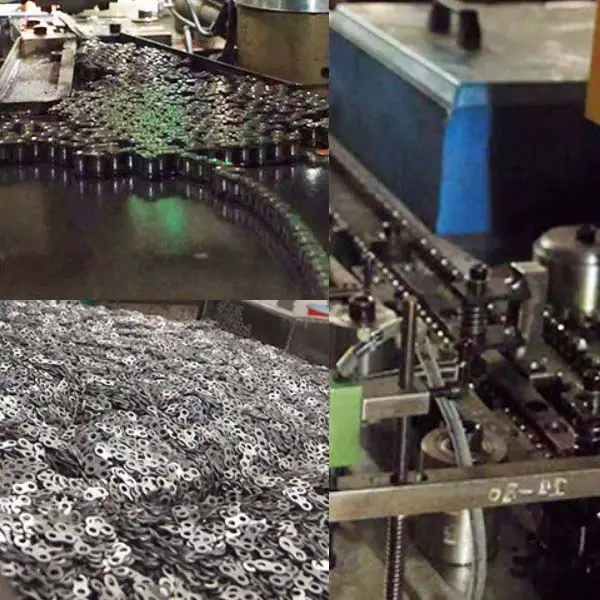
Can engineering chains be used in marine or underwater applications?
Yes, engineering chains can be used in marine or underwater applications under certain conditions. However, several factors need to be considered to ensure their reliable performance and longevity in such environments:
1. Corrosion Resistance: Marine and underwater environments expose chains to the risk of corrosion due to saltwater exposure. Therefore, it’s crucial to select engineering chains made from corrosion-resistant materials such as stainless steel or special coatings to prevent rust and deterioration.
2. Sealing and Lubrication: Proper sealing and lubrication are essential to protect the chain’s internal components from water ingress and corrosion. Sealed or encapsulated chain designs with suitable lubricants can help maintain smooth operation even in wet conditions.
3. Material Selection: The choice of materials for the chain and sprockets should consider not only corrosion resistance but also the ability to withstand marine environments’ unique challenges, such as exposure to marine organisms, debris, and changing temperatures.
4. Load Capacity: Marine and underwater applications may involve heavy loads, so the engineering chain must be selected based on the specific load requirements to ensure safe and reliable operation.
5. Water Depth and Pressure: The depth of the underwater application and the resulting pressure can affect the chain’s performance. Special considerations may be necessary for deep-sea applications to withstand higher pressures.
6. Environmental Regulations: Depending on the location, there may be specific environmental regulations regarding the materials used in marine applications to prevent pollution and protect marine life.
7. Maintenance and Inspection: Regular maintenance and inspection are critical for identifying and addressing any signs of wear, corrosion, or damage in the engineering chain. Timely maintenance can extend the chain’s lifespan and ensure safe operation.
Overall, with proper material selection, sealing, lubrication, and maintenance, engineering chains can be used effectively in marine or underwater applications, providing reliable power transmission and motion control in these challenging environments.
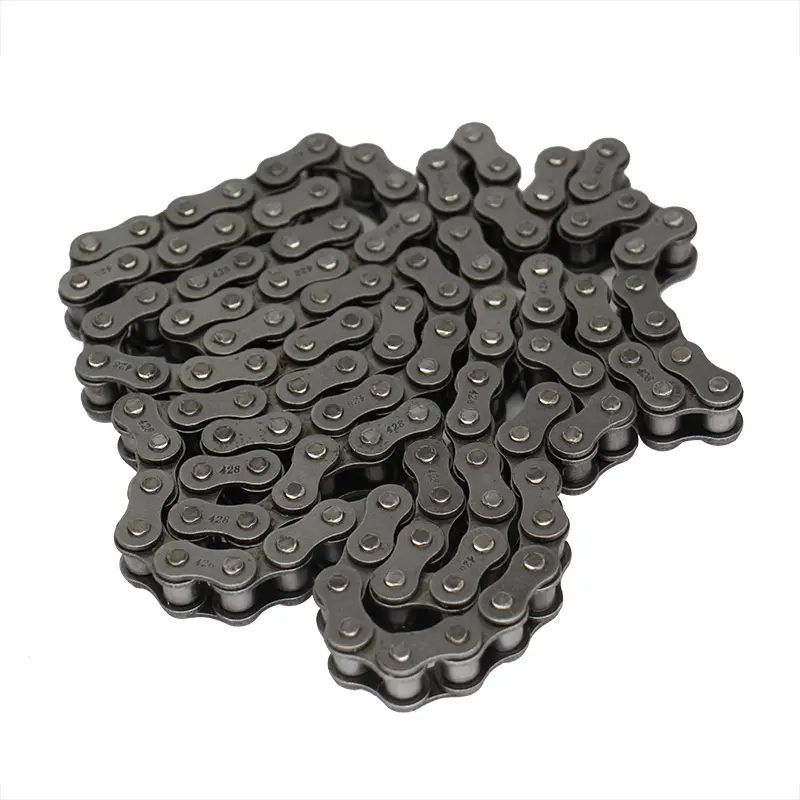
Can engineering chains be used in corrosive or harsh environments?
Yes, engineering chains can be designed and manufactured to withstand corrosive or harsh environments. When operating in such conditions, it is crucial to select the appropriate materials and coatings for the chain to ensure its durability and performance. Here are some considerations for using engineering chains in corrosive or harsh environments:
1. Material Selection: Choose materials that have high corrosion resistance, such as stainless steel or nickel-plated chains. These materials can withstand exposure to moisture, chemicals, and other corrosive agents.
2. Coatings and Surface Treatments: Applying specialized coatings or surface treatments to the chain can further enhance its corrosion resistance. Common coatings include zinc plating, chromate conversion coating, and polymer coatings.
3. Sealed Joints: Opt for engineering chains with sealed joints or special seals to protect the internal components from contaminants and moisture, reducing the risk of corrosion.
4. Environmental Ratings: Some engineering chains may come with specific environmental ratings that indicate their suitability for certain conditions. Check these ratings to ensure the chain is appropriate for the intended environment.
5. Regular Maintenance: Even with corrosion-resistant materials and coatings, regular maintenance is essential. Keep the chain clean, lubricated, and free from debris to prevent corrosion and premature wear.
6. Compatibility with Other Components: Ensure that all components in the chain system, such as sprockets and bearings, are also suitable for use in corrosive environments.
7. Temperature Considerations: Take into account the operating temperature range of the environment. Some materials may perform differently at extreme temperatures, affecting the chain’s overall performance.
8. Chemical Exposure: If the chain will be exposed to specific chemicals or substances, verify that the chosen materials and coatings are resistant to those chemicals.
By carefully selecting the right materials, coatings, and design features, engineering chains can effectively handle corrosive or harsh environments, maintaining their functionality and longevity in challenging industrial applications.


editor by CX 2023-08-07