
Product Description
Heavy Duty Engineering Chains WG781 WG103 WG103H WG140 WB10389 WB9525 WB7900 WB7938 Offset-sindbar Roller Chains
Product Description
The heavy duty offset sidebar roller chain is designed for drive and traction purposes, and is commonly used on mining equipment, grain processing equipment, as well as equipment sets in steel mills. It is processed with high strength, impact resistance, and wearing resistance, so as to ensure safety in heavy duty applications.
Offset sidebar chains have been a long-time primary for many grain handling, lumber, elevating, and conveying applications. This is due to the high-strength and durable design that allows the chain to have the versatility and capability to be used in almost any heavy-duty application. We stock this chain in special configurations like rooftop, with UHM caps, and universal top. We can also supply stock and custom fabricated attachments on the chain.
Product Parameters
Design and Processing Advantages
1. Made of medium carbon steel, the offset sidebar roller chain undergoes processing steps like heating, bending, as well as cold pressing after annealing.
2. The pin hole is created by impact extrusion, which increases the inner surface smoothness for the hole. Thus, the matching area between the sidebar and the pin is increased, and the pins offer higher protection against heavy loads.
3. The integral heat treatment for the chain plates and rollers ensures high tensile strength. The pins additionally undergo
high-frequency induction heating for the surface after integral heat treatment, ensuring high strength, high surface hardness, and wearing resistance as well. The surface carburizing treatment for the bushings or sleeves guarantees high tensile strength, superb surface hardness, and improved impact resistance. These make sure the heavy duty transmission chain has extended service life.
|
Chain No. ISO GB |
Pitch p |
Width Between Plates at Inner End W(nom) |
Roller Dia. R(max) |
Plate Depth H(max) |
Plate Thickness T(max) |
Pin Width L(max) |
Pin Dia. d2(max) |
Breaking Load(min) Q |
Weight Approx. q |
|
|
mm |
mm |
mm |
mm |
mm |
mm |
mm |
daN |
kg/m |
|
WG781 |
78.18 |
38.1 |
33 |
45 |
10 |
97 |
17 |
31360 |
16 |
|
WG103 |
103.20 |
49.2 |
46 |
60 |
13 |
125.5 |
23 |
53900 |
26 |
|
WG103H |
103.20 |
49.2 |
46 |
60 |
16 |
135 |
23 |
53900 |
31 |
|
WG140 |
140.00 |
80.0 |
65 |
90 |
20 |
187 |
35 |
117600 |
59.2 |
|
WB10389 |
103.89 |
49.2 |
46 |
70 |
16 |
142 |
26.7 |
157100 |
32 |
|
WB9525 |
95.25 |
39.0 |
45 |
65 |
16 |
124 |
23.0 |
63500 |
22.25 |
|
WB7900 |
79.00 |
39.0 |
31.5 |
54 |
9.5 |
93.5 |
18.5 |
38090 |
12.28 |
|
WB7938 |
79.38 |
41.2 |
40 |
57.2 |
9.5 |
100 |
19.5 |
50900 |
18.7 |
Contact us: We care about our valued buyers, if you have any questions, our Customer Service staffs will be very glad to help you. We try our best to reply to your emails as soon as possible, however, due to high volume of daily incoming emails and time zone difference, we may not be able to reply your emails immediately. Please allow 24 business hours for us to response.
Related products
Related products
| Usage: | Transmission Chain, Drag Chain, Conveyor Chain, Dedicated Special Chain |
|---|---|
| Material: | Steel |
| Surface Treatment: | Oil Blooming |
| Feature: | Oil Resistant |
| Chain Size: | 1/2"*3/32" |
| Structure: | Roller Chain |
| Samples: |
US$ 9999/Piece
1 Piece(Min.Order) | |
|---|
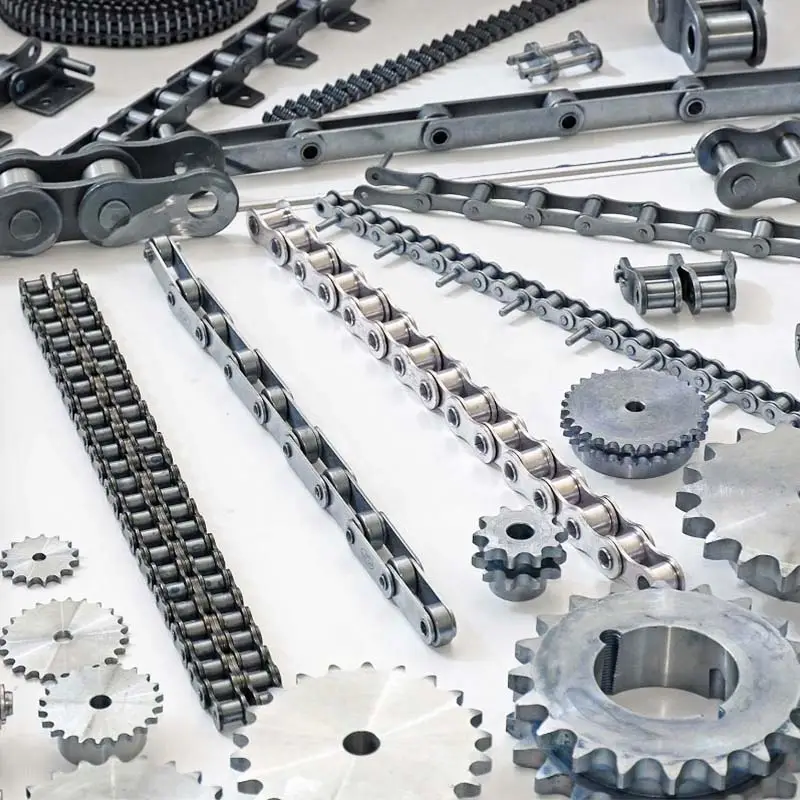
What are the noise and vibration characteristics of engineering chains?
Engineering chains, like other types of roller chains, can produce noise and vibrations during their operation. The noise and vibration characteristics of engineering chains depend on several factors:
- Lubrication: Proper lubrication of the chain can help reduce friction between the chain’s components, leading to smoother operation and lower noise levels.
- Chain Condition: A well-maintained chain with proper tension and minimal wear is likely to produce less noise and vibration compared to a worn or damaged chain.
- Alignment: Proper alignment of the sprockets and the chain is essential to minimize lateral forces, which can contribute to increased noise and vibration.
- Load and Speed: Heavier loads and higher speeds can increase the dynamic forces within the chain, leading to more pronounced noise and vibration.
- Environmental Factors: External factors, such as temperature, humidity, and contaminants, can influence the chain’s noise and vibration characteristics.
Chain noise and vibration can be managed through various measures:
- Chain Design: Some chains are designed with noise reduction features, such as special profile plates or noise-dampening materials.
- Lubrication: Using high-quality and appropriate lubricants can help reduce friction and noise.
- Tensioning: Properly tensioned chains experience less vibration and are less likely to produce noise.
- Maintenance: Regular inspection and maintenance can identify and address any issues that may contribute to increased noise and vibration.
- Isolation: In some applications, adding vibration isolators or dampeners can help reduce the transmission of noise and vibrations to surrounding structures.
It’s important to consider the specific requirements of the application and consult with chain manufacturers or experts to select the most suitable engineering chain and implement noise and vibration mitigation strategies when necessary.
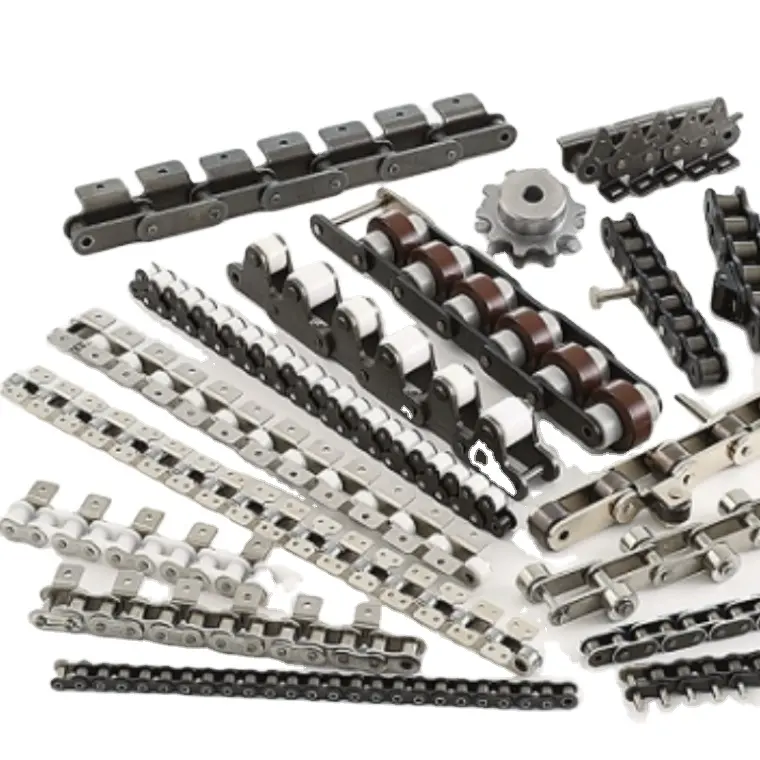
Can engineering chains be used in low-temperature or cryogenic environments?
Yes, engineering chains can be used in low-temperature or cryogenic environments with appropriate material selection and lubrication. When operating in extremely cold conditions, standard chain materials may become brittle and prone to failure. However, by using special materials and lubricants designed for low temperatures, engineering chains can maintain their performance and reliability.
In cryogenic applications, such as in the aerospace, medical, or scientific industries, where temperatures can reach extremely low levels (typically below -150°C or -238°F), standard steel chains may not be suitable. In such cases, engineers often opt for materials like stainless steel, nickel-plated steel, or other alloys that can withstand cryogenic temperatures without losing their mechanical properties.
Lubrication is another critical consideration in low-temperature environments. Conventional lubricants may freeze or become less effective at extremely cold temperatures, leading to increased friction and wear. Therefore, special lubricants that remain fluid at low temperatures, such as synthetic oils or greases designed for cryogenic use, should be applied to ensure smooth chain operation and reduce wear.
In summary, engineering chains can be used in low-temperature or cryogenic environments, provided that the appropriate materials and lubricants are chosen for the specific application. By selecting the right chain and ensuring proper lubrication, the performance and service life of the engineering chain can be maintained even in extreme cold conditions.
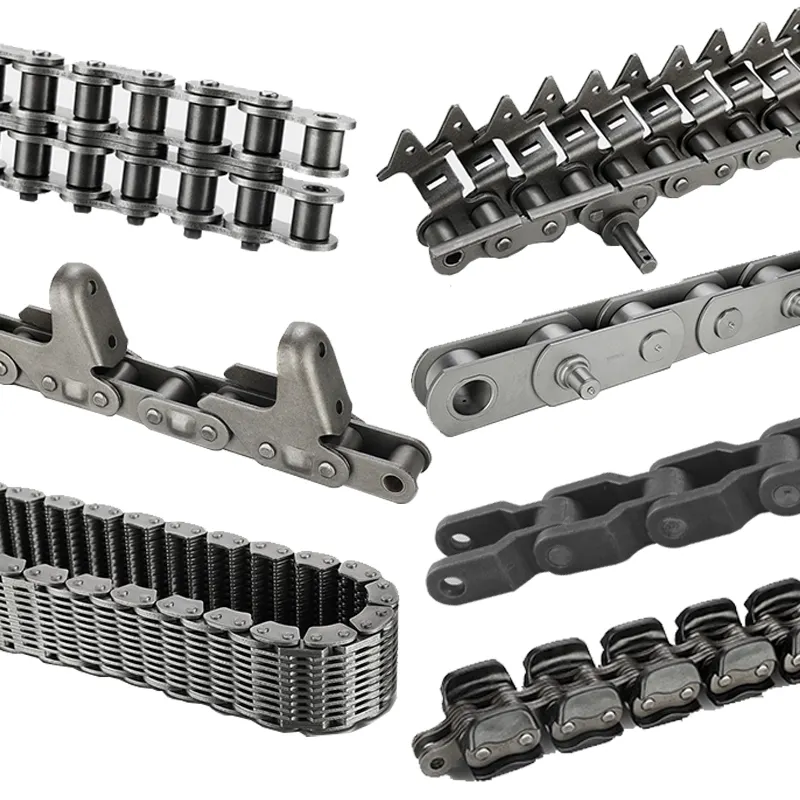
Are there any special considerations for lubricating engineering chains?
Yes, proper lubrication is essential for the optimal performance and longevity of engineering chains. Here are some special considerations to keep in mind when lubricating engineering chains:
1. Lubricant Selection: Choose the appropriate lubricant based on the chain’s operating conditions, speed, load, and environmental factors. Different applications may require different types of lubricants, such as oil-based or grease-based lubricants.
2. Correct Lubrication Amount: Applying the right amount of lubricant is crucial. Insufficient lubrication can lead to increased friction and wear, while excessive lubrication can attract contaminants and cause the chain to sling off excess grease or oil.
3. Regular Lubrication: Implement a regular lubrication schedule to ensure the chain is consistently lubricated. Frequent lubrication can help reduce friction and wear, extending the chain’s service life.
4. Lubrication Method: The method of lubrication will depend on the chain design and accessibility. Some chains have built-in lubrication systems, while others may require manual lubrication using oilers or grease guns.
5. Cleanliness: Before lubrication, make sure the chain is clean and free from debris. Cleaning the chain helps prevent abrasive particles from becoming trapped in the lubricant, which could accelerate wear.
6. Avoid Contaminants: Keep lubricants and lubrication equipment free from contaminants to maintain the purity and effectiveness of the lubricant.
7. Environmental Factors: Consider the operating environment when selecting a lubricant. High temperatures, moisture, and harsh chemicals can affect the lubricant’s performance, so choose one that can withstand these conditions.
8. Reapplication: In some applications, the lubricant may wear off or become contaminated more quickly. Regularly monitor the chain’s lubrication condition and reapply lubricant as needed.
9. Training and Safety: Ensure that personnel involved in the lubrication process are properly trained in handling lubricants safely and efficiently.
By following these special considerations, you can optimize the performance and reliability of engineering chains through effective lubrication, reducing wear and extending the chain’s useful life in various industrial applications.


editor by CX 2023-08-08