
Product Description
Engineering Enclosed Plastic Roller Drag Cable Chain
Picture
Basic parameters of drag chains
1.Material:reinforced nylon. It can stand with high pressure and has good tensile strength,toughness and elasticity ,wearing and falmable resisance.
2.Resistances:It is oil and acceleration is 5m/sec.(specfic speed and acceleration depends on specific).
3.Service life:Under normal conmal condition,5 million reciprocating motions can be reached(which is also related to the operating conditions.)
Technical data:
| Tensile strength | 180N/mm2 | Volume resistance | 1571-1015 |
| Impact strength | 50Kj/m2 | Water Absorption | 4% |
| Tenprature range | -40.C-130.C | Friction factor | 0.3 |
| Surface resistaned | 1571-1012 | Falme resistance | HB(UL49) |
Characteristics and Applications of Drag chains
1.The product can be used for such locations where repciprocating motions are required so that internally installed cables.oil pipes,gastubes and water tubes can be draged and protected.
2.Each joint of the chain can be opened up so as to facilitate repairs and maintenance.It can also be operated under high speed.
3.The drag chains have already extensively used in digital-controlled machine tools.electronic equipment,machinery for stone windows.moulding injectors,manipulators,lifting and transport equipment and automatic warehouses,etc.
Construction of the drag chains:
1.The appearance of the chain looks like the crawler of a tank consisting of certain number of joints ,The joints of crawler are freely turned round.
2.The same series of chain hsa same inner height and out height and same pitch but the inner herght radius R can be made per different specifications.
3.A unti chain joint is consisting of a left-right chain plate and updown cover.Each chain joint can be piened up so as to facilitate assembly and dismantal without threading.Cables,oil pipes and gaspipes can be put into the drag chain after the cover plate is opened.
4.Spacers are available for use,which are able to divide the space inside the chain into divisions according to requirements.
Installation for cable frag chains:
1.Put a screw driver vertically into the opening hole at both ends of the cover and then open the cover .Put the drag chain for cables and oip pipes according to the instructions provided .Put the cover back.Note that the fixed end and the moving end of a cable should be fixed by using a tension device
2.When used in a long sliding service,it is recommended to use a guiding grove,Please ask our technical personnel about the usage of the guiding grove.
| Material: | Plastic |
|---|---|
| Structure: | Roller Chain |
| Surface Treatment: | Polishing |
| Chain Size: | 1/2"*3/32" |
| Feature: | Fire Resistant, Oil Resistant, Heat Resistant |
| Max.Width(mm): | 200mm-650mm |
| Customization: |
Available
| Customized Request |
|---|
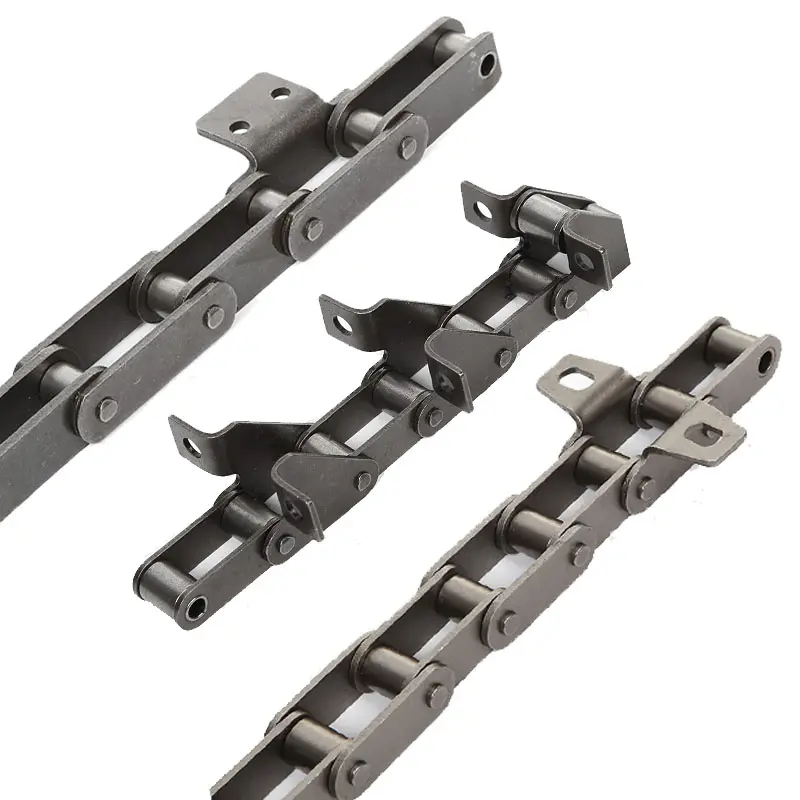
Can engineering chains be used in agricultural machinery and equipment?
Yes, engineering chains are commonly used in various agricultural machinery and equipment applications. Their robust design and ability to handle heavy loads make them well-suited for the demanding and often harsh conditions in the agricultural industry. Here are some examples of how engineering chains are used in agriculture:
- Combine Harvesters: Engineering chains are utilized in combine harvesters to drive components like the cutter head, reel, and auger. These chains are essential for efficient harvesting and grain collection.
- Tractors: In tractors, engineering chains are employed in power take-off (PTO) systems to transfer power from the engine to different agricultural implements, such as plows, mowers, and tillers.
- Balers: Engineering chains are used in balers to compress and bind crops into bales, facilitating easy storage and transport.
- Seeders and Planters: These machines use engineering chains to distribute seeds or plants evenly in the field, ensuring proper crop spacing and optimal growth.
- Grain Handling Equipment: Engineering chains are integral in grain handling equipment, including bucket elevators, grain conveyors, and grain elevators, facilitating the efficient movement and storage of harvested crops.
The agricultural environment can be challenging, with factors such as dust, debris, and varying weather conditions. Engineering chains used in agricultural machinery are often designed with additional protection against contaminants and corrosion to ensure reliable performance over extended periods.
When selecting engineering chains for agricultural applications, it’s essential to consider factors like load capacity, environmental conditions, maintenance requirements, and the specific needs of each machine. Regular inspection and proper lubrication are crucial to maintain the chains’ performance and extend their service life in agricultural machinery.
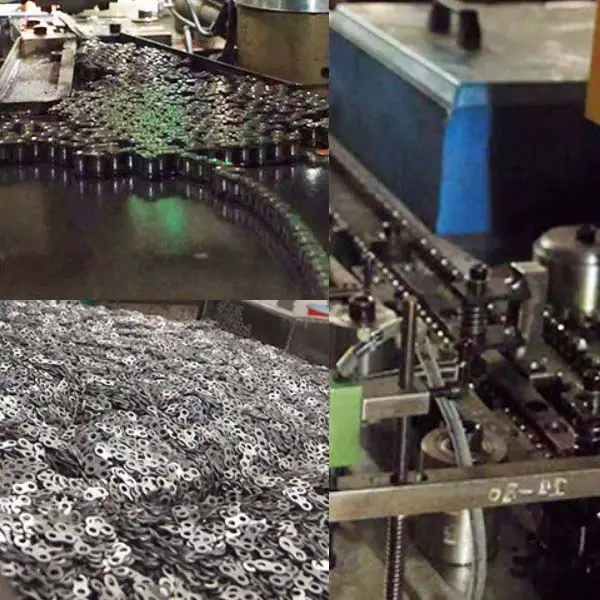
Can engineering chains be used in marine or underwater applications?
Yes, engineering chains can be used in marine or underwater applications under certain conditions. However, several factors need to be considered to ensure their reliable performance and longevity in such environments:
1. Corrosion Resistance: Marine and underwater environments expose chains to the risk of corrosion due to saltwater exposure. Therefore, it’s crucial to select engineering chains made from corrosion-resistant materials such as stainless steel or special coatings to prevent rust and deterioration.
2. Sealing and Lubrication: Proper sealing and lubrication are essential to protect the chain’s internal components from water ingress and corrosion. Sealed or encapsulated chain designs with suitable lubricants can help maintain smooth operation even in wet conditions.
3. Material Selection: The choice of materials for the chain and sprockets should consider not only corrosion resistance but also the ability to withstand marine environments’ unique challenges, such as exposure to marine organisms, debris, and changing temperatures.
4. Load Capacity: Marine and underwater applications may involve heavy loads, so the engineering chain must be selected based on the specific load requirements to ensure safe and reliable operation.
5. Water Depth and Pressure: The depth of the underwater application and the resulting pressure can affect the chain’s performance. Special considerations may be necessary for deep-sea applications to withstand higher pressures.
6. Environmental Regulations: Depending on the location, there may be specific environmental regulations regarding the materials used in marine applications to prevent pollution and protect marine life.
7. Maintenance and Inspection: Regular maintenance and inspection are critical for identifying and addressing any signs of wear, corrosion, or damage in the engineering chain. Timely maintenance can extend the chain’s lifespan and ensure safe operation.
Overall, with proper material selection, sealing, lubrication, and maintenance, engineering chains can be used effectively in marine or underwater applications, providing reliable power transmission and motion control in these challenging environments.
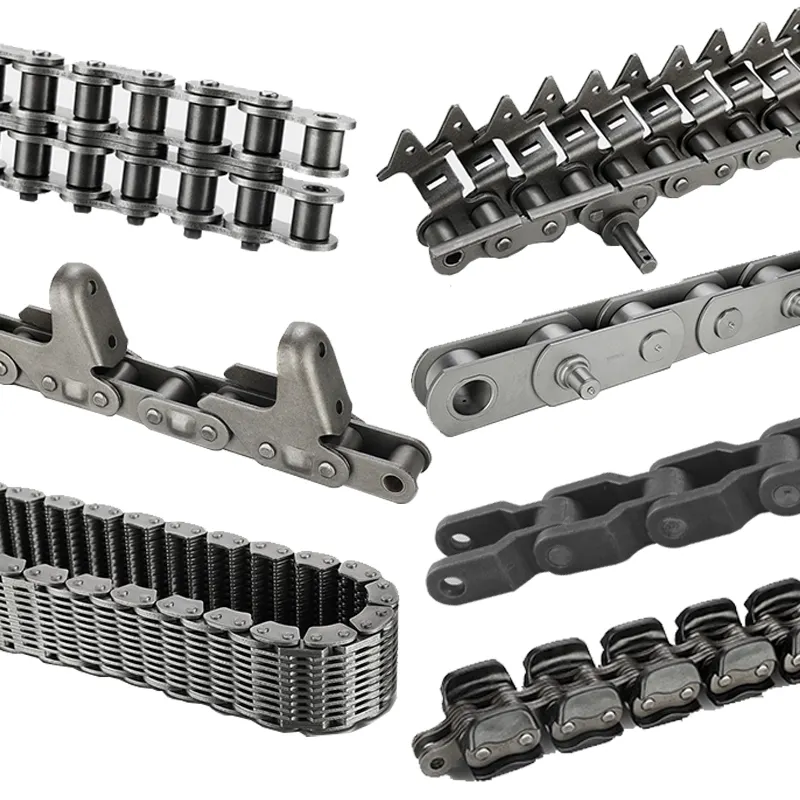
What is an engineering chain and what are its uses in various industries?
An engineering chain, also known as an industrial chain, is a type of power transmission chain widely used in various industries for transmitting mechanical power between two or more rotating shafts. It consists of a series of interconnected links that form a flexible and durable mechanism capable of handling heavy loads and harsh operating conditions. Here are its uses in different industries:
1. Manufacturing Industry:
In the manufacturing sector, engineering chains are employed in conveyor systems for material handling, assembly lines, and automated production processes. They facilitate the movement of raw materials, workpieces, and finished products efficiently, streamlining production and reducing manual labor.
2. Automotive Industry:
Automotive manufacturing relies heavily on engineering chains for conveying car parts during assembly. From the production of engines to body assembly, these chains ensure a smooth and continuous flow of components through the manufacturing process.
3. Agriculture and Farming:
In the agricultural sector, engineering chains are used in machinery such as tractors and combine harvesters. They facilitate power transmission from the engine to different agricultural implements, enabling various tasks like plowing, seeding, and harvesting.
4. Construction and Mining:
Construction equipment and mining machinery utilize engineering chains for heavy-duty power transmission. These chains are suitable for harsh environments and high-load applications, making them ideal for conveying construction materials and excavating operations.
5. Oil and Gas Industry:
In the oil and gas sector, engineering chains are utilized in drilling rigs and oil extraction equipment. They assist in the rotation of drill bits and the transfer of power within complex drilling systems.
6. Food and Beverage Industry:
Engineering chains find applications in food processing and beverage manufacturing, where they are used in conveyor systems for handling ingredients, packaging, and bottling processes. Specialized food-grade chains are designed to meet strict hygiene standards.
7. Material Handling:
Across various industries, engineering chains are widely employed in material handling systems, including overhead cranes, hoists, and elevators. They ensure smooth and efficient movement of heavy loads in warehouses, distribution centers, and manufacturing facilities.
8. Pulp and Paper Industry:
In the pulp and paper industry, engineering chains are used in paper processing machines, pulp digesters, and paper converting equipment. They contribute to the continuous flow of paper products during manufacturing.
9. Renewable Energy:
In the renewable energy sector, engineering chains are utilized in wind turbines and solar tracking systems. They assist in adjusting the position of solar panels and wind turbine blades to optimize energy capture.
10. Power Generation:
In power plants, engineering chains are used in various equipment, including conveyor systems for transporting fuel and ash, as well as in boiler feed systems and other power generation processes.
11. Water and Wastewater Treatment:
Engineering chains are employed in water treatment plants for sludge dewatering and in wastewater treatment plants for handling sludge and screenings.
12. Textile Industry:
In textile machinery, engineering chains assist in the production process, including spinning, weaving, and fabric handling.
13. Printing Industry:
In printing presses, engineering chains facilitate the smooth movement of paper during the printing process.
14. Packaging Industry:
Engineering chains are utilized in packaging machinery for handling boxes, cartons, and other packaging materials.
Overall, engineering chains are versatile components that play a crucial role in various industries for power transmission and material handling applications. They provide reliability, durability, and efficiency, making them an essential part of modern industrial processes.


editor by CX 2023-09-11