Grade 80 Lifting Chain – EN 818-2 | G80 Alloy Steel | 6–48 mm
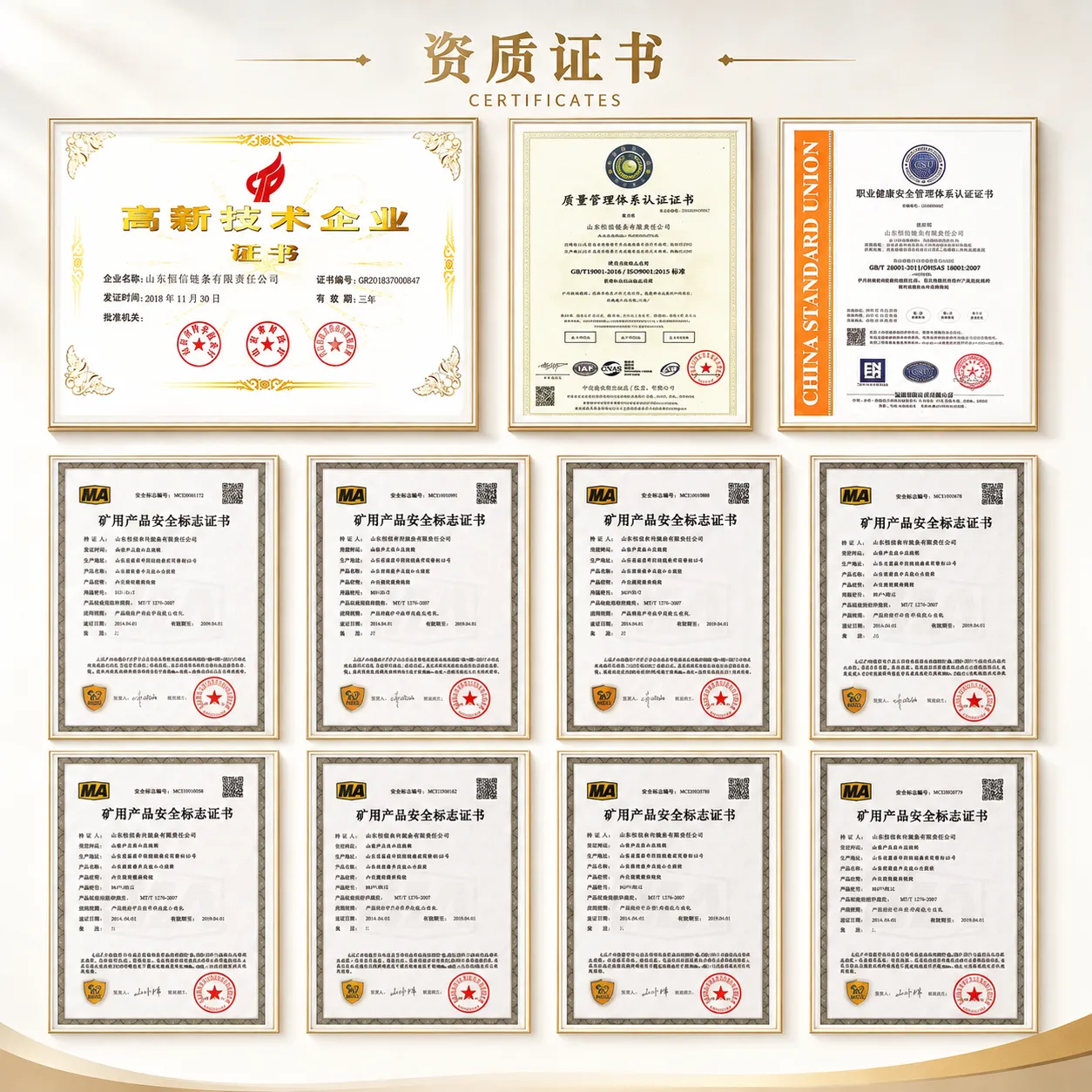
Certified by | Lloyd's Register · ABS · Bureau Veritas · DNV · ISO 9001 · ISO 14001 · CE Mark
Product Overview
EN 818-2 Grade 80 Chain for Lifting Applications
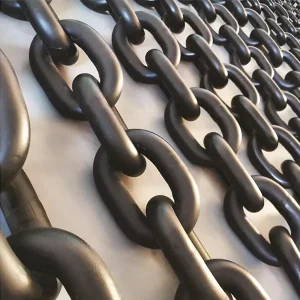
Grade 80 lifting chains are alloy steel short-link chains manufactured to EN 818-2, designed for assembly into chain slings and for use with cranes, hoists, and industrial lifting equipment. The grade designation indicates a minimum tensile strength of 800 N/mm², achieved through precision flash butt welding and quench-temper heat treatment of 20mm2 25mnv alloy steel.
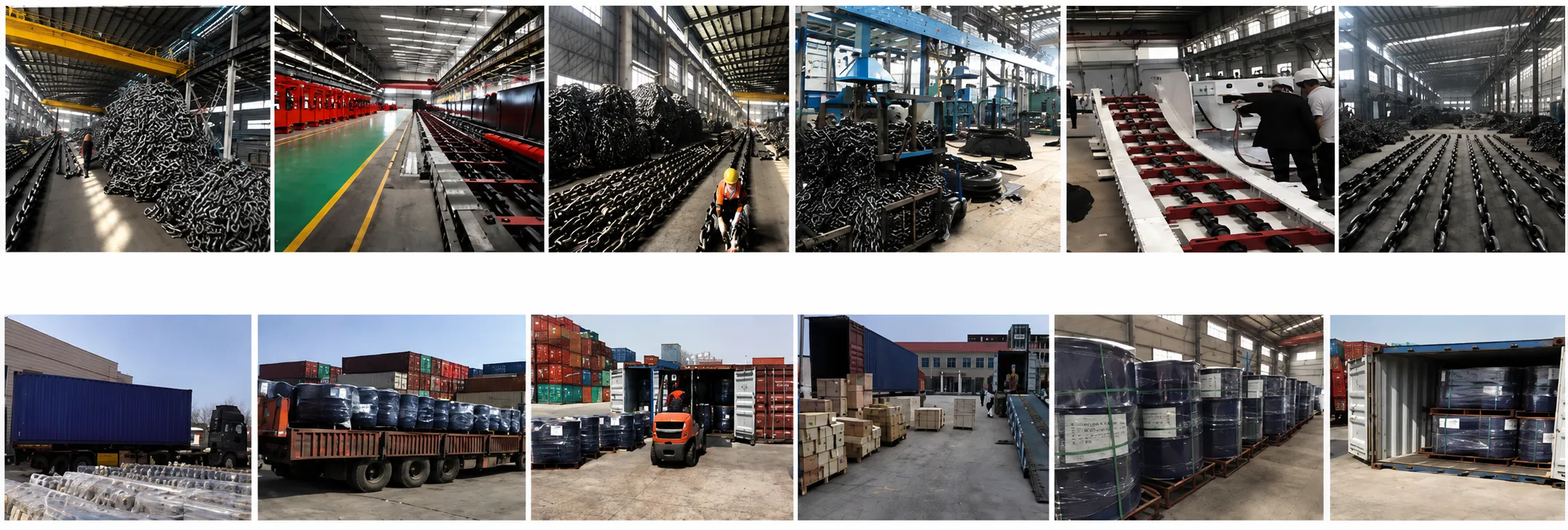
Ever-power Engineer Class Chain Co., Ltd produces G80 chain in diameters from 6 to 48 mm, covering working load limits from 1.1 t (6 mm) to 72.5 t (48 mm). All chains are proof tested at 2.5× working load limit and carry a minimum breaking load of 4× working load limit (4:1 safety factor). Each link is permanently embossed with the G80 grade mark for identification and in-service inspection.
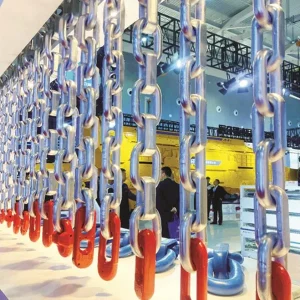
Surface treatments include hot-dip galvanising, electro-galvanising, blackening, electroplating, and powder coating, selected to suit the operating environment. Wire rope clamps, connecting links, and sling hardware are available to complement the chain supply.
Technical Data
Dimensional & Load Specifications
Reference standard: EN 818-2 | Dimensions in mm · Loads in kN · Weight in kg/m
WLL = Working Load Limit · Proof load = 2.5× WLL · Min. breaking load = 4× WLL · Standard: EN 818-2
Construction & Standards
Product Features
Standard: EN 818-2
Manufactured to EN 818-2 (medium tolerance short link chain for lifting purposes — Grade 8). This standard defines dimensional tolerances, mechanical property requirements, and the proof testing procedure applicable to Grade 80 lifting chains.
Material: 20mm2 25mnv Alloy Steel
Links are manufactured from 20mm2 or 25mnv alloy steel, precision flash butt welded and quench-tempered to achieve the Grade 80 minimum tensile strength of 800 N/mm² and the required ductility for overhead lifting service.
4:1 Safety Factor
Minimum breaking load is not less than 4× the working load limit across all sizes. Proof load testing at 2.5× WLL is carried out on every chain before dispatch. Working load limits range from 11 kN (6 mm) to 725 kN (48 mm).
G80 Link Marking
Each link is permanently embossed with the G80 grade designation and manufacturer code at regular intervals along the chain. This allows grade identification and traceability during in-service inspection without removal from the sling assembly.
Size Range: 6 to 48 mm
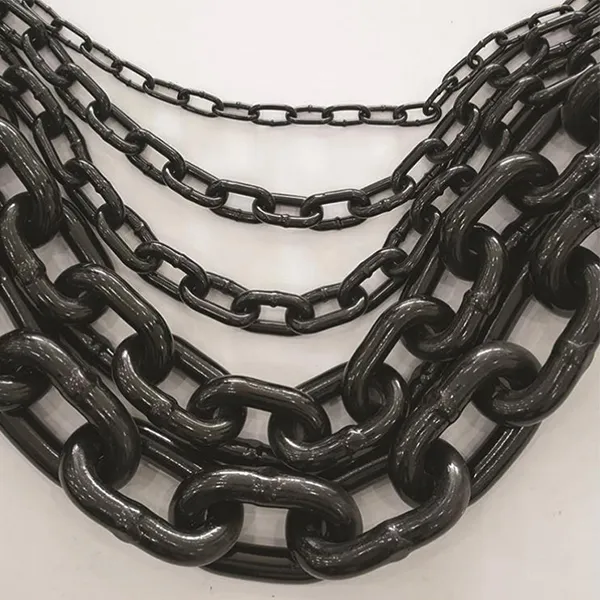
Twenty standard sizes from 6×18 to 48×144 mm cover the full range of chain sling and hoist chain applications, from light-duty rigging to heavy industrial and port crane service. Accessories including wire rope clamps and connecting links are available.
Surface Treatment Options
Available with hot-dip galvanising, electro-galvanising, blackening, electroplating, or powder coating. Treatment selection is based on the humidity, salt, and corrosive exposure expected in the operating environment.
FAQ
Frequently Asked Questions
What does Grade 80 mean?
Grade 80, also written G80 or Grade 8, indicates a minimum tensile strength of 800 N/mm² for the chain material after heat treatment. The grade number is used to define the working load limit and minimum breaking load for a given chain diameter.
What is the difference between EN 818-2 and EN 818-7?
EN 818-2 specifies medium tolerance short link chain intended for assembly into lifting slings. EN 818-7 specifies fine tolerance chain designed for use in chain hoists and blocks, where calibrated pitch dimensions are required for correct engagement with the hoist pocket wheel. The G80 chain in this listing is EN 818-2 (medium tolerance) and is intended for sling assembly and general lifting use.
What is the working load limit for 16 mm Grade 80 chain?
The working load limit for 16×48 mm Grade 80 chain is 80 kN. The proof load is 192 kN and the minimum breaking load is 320 kN, giving a 4:1 safety factor relative to the WLL.
Are chains proof tested before dispatch?
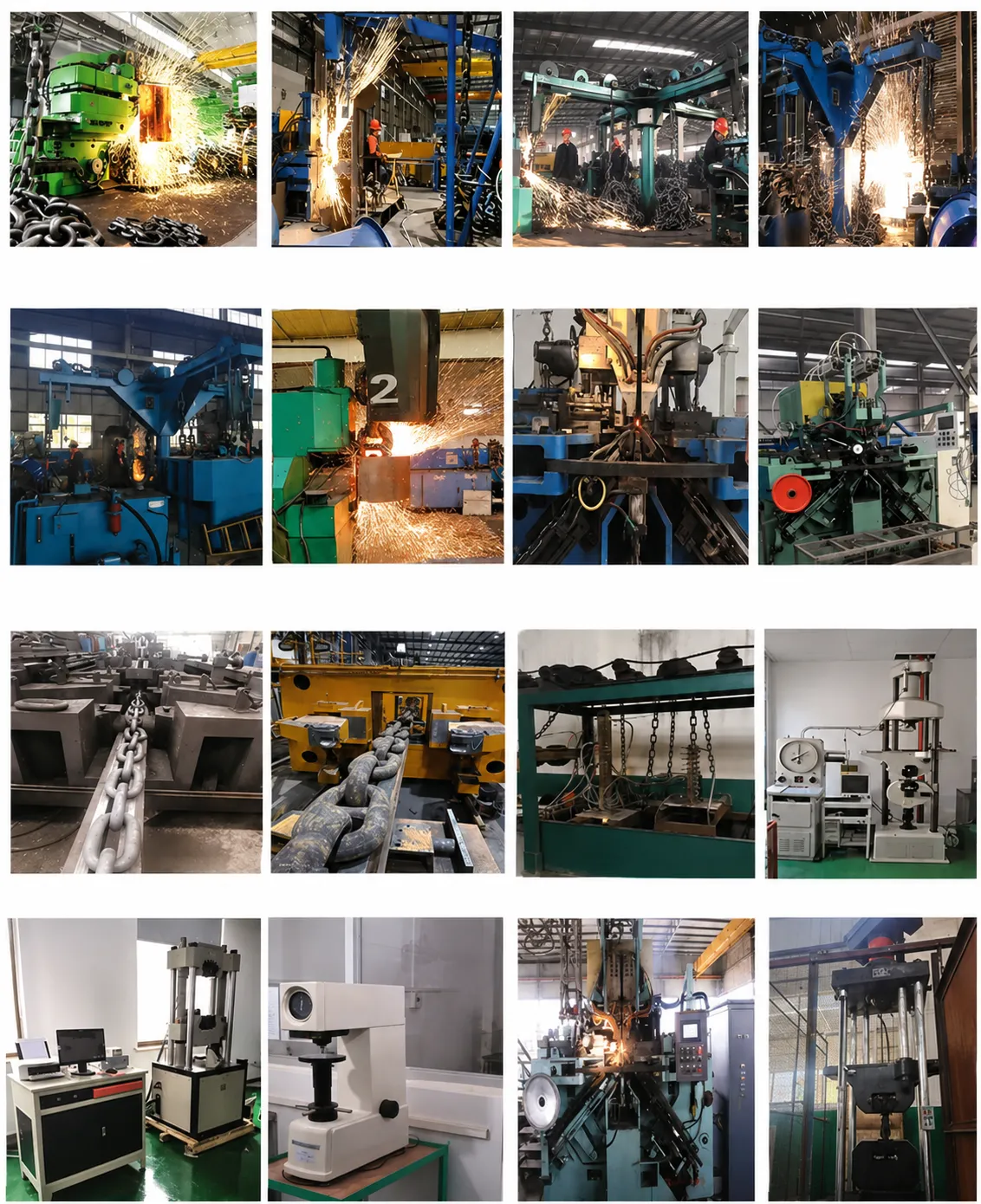
Yes. All Grade 80 chains are proof load tested at 2.5× the working load limit as part of the standard production QC process. Test certificates are available on request.
What surface treatments are available?
Standard options are hot-dip galvanising, electro-galvanising, blackening, electroplating, and powder coating. Treatment selection depends on the operating environment — galvanising is typically specified for outdoor or marine-adjacent applications.
Can Ever-power supply sling hardware to match the chain?
Yes. Wire rope clamps, connecting links, hooks, shackles, and load binders compatible with Grade 80 chain are available. Please specify the chain diameter and intended sling configuration when enquiring.
Also from Ever-power
Related Products
Lifting Chains EN 818-2 / ISO 3077 · 8–26 mm · 1,000 N/mm² tensile class | Mining Chains DIN 22252 · Grade B/C · 10×40 to 42×146 mm |
Rigging Hardware Bow and D-type · 3/16 to 2-1/2 in · compatible with G80 sling assemblies | Rigging Hardware Grab hooks and clevis hooks · 1/4 to 3/4 in · for chain sling termination |
Marine & Anchor Chains ISO 1704 · Grade U1/U2/U3 · stud and studless · 20–150 mm | Specialty Chains 6–19 mm · load securing for transport and port cargo operations |
Grade 80 lifting chains are used alongside a range of drive and transmission chains in industrial facilities. Those specifying chain for material handling systems may also find reference in power transmission chain standards for conveyor and drive applications, and in industrial roller chain specifications for ancillary plant drives. For wider chain product reference including bulk supply and engineering data, heavy-duty chain engineering resources and sprocket and chain drive system guidance provide useful complementary context.